Forgotten Art in Bamberg. Alexej Borutscheff (1911–1994)

Date and Time
23. June 2026 00:00
Location
St. Michael, Michelsberg 10, BambergSt. Michael, Michelsberg 10, Bamberg, Bamberg
Price
€
About this Event
Exhibitions & Museums
Mood
Other
Venue Type
Outside
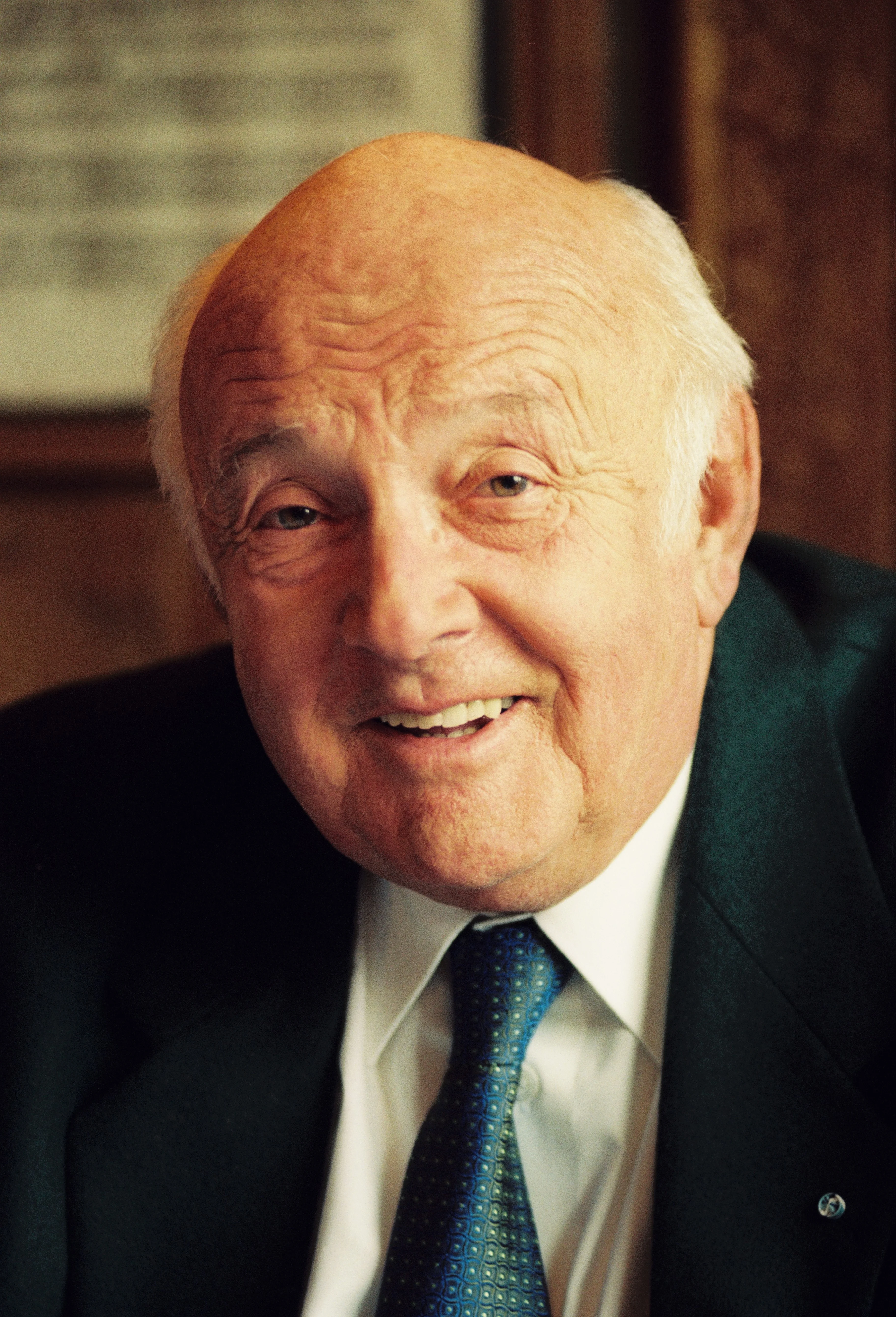
Every Tuesday at 5:00 PM, the Bamberg State Library offers a one-hour tour of the exhibition FORGOTTEN ART IN BAMBERG: ALEXEJ BORUTSCHEFF (1911-1994). These public tours are free of charge, and no registration is required. Meeting point: Entrance area of the Bamberg State Library in the New Residence, Domplatz 8. Schedule: Tuesday, April 28, 2026, 5:00 PM Tuesday, May 5, 2026, 5:00 PM Tuesday, May 12, 2026, 5:00 PM Tuesday, May 19, 2026, 5:00 PM Tuesday, May 27, 2026, 5:00 PM Tuesday, May 27, 2026, 5:00 PM Tuesday, June 2, 2026, 5:00 PM Tuesday, June 9, 2026, 5:00 PM Tuesday, June 16, 2026, 5:00 PM Tuesday, June 23, 2026, 5:00 PM Tuesday, June 30, 2026, 5:00 PM Tuesday, July 7, 2026, 5:00 PM Tuesday, July 14, 2026, 5:00 PM ABOUT THE EXHIBITION: The freelance artist Alexej Borutscheff was one of the most impressive and colorful figures in the Bamberg art scene of the post-war period. The Bamberg State Library preserves his work and provides a comprehensive insight into his creation for the first time in an exhibition. Alexej Archipowitsch Borutscheff was born in 1911 in Roslavl in western Russia. During World War II, he was taken prisoner by German forces in 1941 and came to Bamberg in 1945. He lived and worked here until his death in 1994, interrupted only by a multi-year stay in Murten, Switzerland. The trained architect soon turned completely to art. He depicted the baroque figures of the library hall of the Waldsassen monastery, as well as the medieval cloister capitals of the Bamberg Carmelite monastery, to which he dedicated his own book. His literary illustrations are significant, including 176 for Goethe’s “Faust” and numerous for E. T. A. Hoffmann. Borutscheff hand-copied other works of world literature and illustrated especially those texts that deal with great human themes: Aesop's “Fables,” Aristophanes’ “Lysistrata,” Erasmus of Rotterdam...
Loading map...
Similar Events