
Michael Köhlmeier
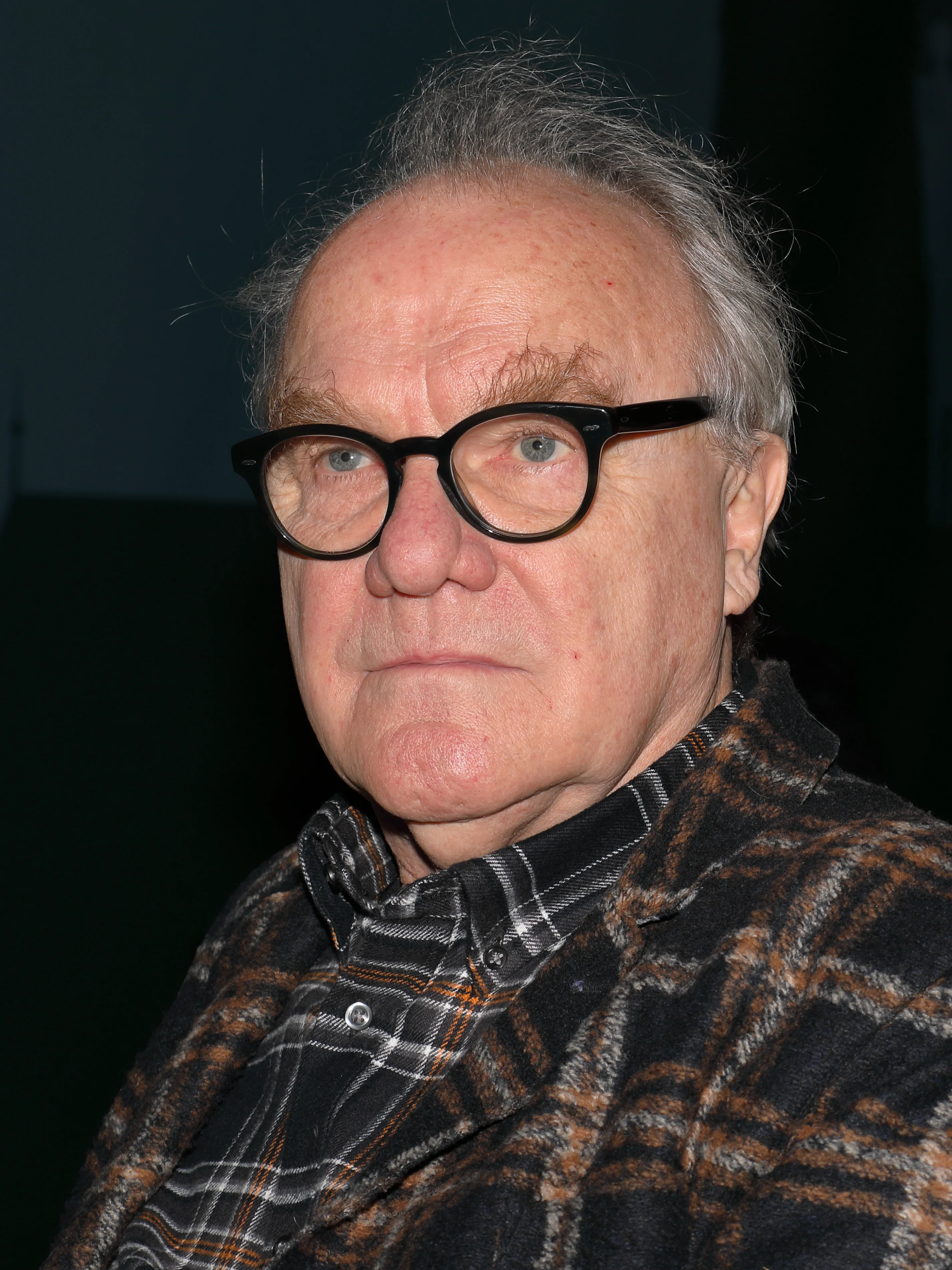
Image from Wikipedia
Image from Wikipedia
Michael Köhlmeier: Storyteller with Literary Power and Musical Soul
An Austrian author who connects stories, voices, and cultural horizons
Michael Köhlmeier, born in 1949 in Hard near Lake Constance, is one of the most distinctive voices of contemporary Austrian literature. His works include novels, stories, radio plays, retellings of ancient, biblical, and local themes, as well as musical projects that have accompanied his artistic development over decades. He lives as a freelance writer in Hohenems in Vorarlberg and Vienna and represents a rare combination of narrative authority, cultural curiosity, and strong stage presence. ([residenzverlag.com](https://www.residenzverlag.com/en/autor/michael-kohlmeier))
Biography: From Vorarlberg Origins to Literary Greatness
Köhlmeier's life path is closely linked to the cultural landscape of western Austria, but it has also become influential far beyond regional borders. Even the official publisher's descriptions emphasize his prolific output and his special strength as a narrator of ancient and biblical tales. He received early literary recognition, including the Rauriser Literature Prize, the Manès-Sperber Prize, and the Anton-Wildgans Prize. ([residenzverlag.com](https://www.residenzverlag.com/en/autor/michael-kohlmeier))
In critical reception, Köhlmeier is repeatedly described as an author who not only tells stories with language but also engages in world interpretation. *Der Standard* highlights that even as a young man, he was utterly overwhelmed by Mozart's music, a detail that well reflects his open, passionate approach to art. This attitude also shapes his texts: they are culturally saturated, visually powerful, and never merely decorative, but consistently aimed at understanding. ([derstandard.at](https://www.derstandard.at/story/3000000191318/wie-reggae-fan-michael-koehlmeier-die-debatte-um-kulturelle-aneignung-sieht))
The Narrative Breakthrough: Myths, Radio Plays, and Great Themes
A central breakthrough in Köhlmeier's work, according to the Konrad Adenauer Foundation, was the collection of retellings of "Legends of Classical Antiquity," which was released on fifteen CDs between 1995 and 1998. Earlier, he had begun producing original audio plays in the early 1980s, tackling conflicts in the workplace and social fringe groups. This laid the groundwork for a body of work that combines literary ambition with acoustic presence. ([kas.de](https://www.kas.de/documents/252038/253252/7_dokument_dok_pdf_49165_1.pdf/98cb7c80-8fef-4120-1f65-eb994ae5c679?t=1539649021988))
Especially in his retellings of myths, his unique style becomes evident: Köhlmeier connects divine farce and war catastrophe, elevating the sublime into the vulgar and mundane, without losing the archetypal depth. This form of storytelling has earned him the reputation of a sovereign, calm, and simultaneously far-sighted author who keeps human figures in motion between hope and depression, guilt and redemption. ([kas.de](https://www.kas.de/documents/252038/253252/7_dokument_dok_pdf_49165_1.pdf/98cb7c80-8fef-4120-1f65-eb994ae5c679?t=1539649021988))
Music, Stage, and Duo Works: Köhlmeier as Part of a Sound Culture
Although Köhlmeier is primarily known as a writer, music is an integral part of his artistic biography. Wikipedia and publishing sources document that he formed the duo Bilgeri & Köhlmeier with Reinhold Bilgeri, writing cabaret programs and song lyrics for them. In this context, the single "Oho Vorarlberg / ’s Volk ischt halt z’blöd" was released in 1973, along with the album "Owie lacht," followed by a live release in 1995. ([de.wikipedia.org](https://de.wikipedia.org/wiki/Bilgeri_%26_K%C3%B6hlmeier))
Particularly interesting is Köhlmeier's musical practice beyond mere lyricism. According to Residenz Verlag, he not only collects guitars but plays them daily at home and often on stage with various ensembles. The role of Django Reinhardt as a model after a hand injury indicates a genuine instrumental relationship with music, not just a literary affinity. ([residenzverlag.com](https://www.residenzverlag.com/en/autor/michael-kohlmeier))
This connection between literature and music also shapes his public perception. In portraits and broadcasts, Köhlmeier appears as a multiteller who powerfully and visually interprets fairy tales, biblical stories, and Greek myths. The musical component does not seem like a side note but is part of a comprehensive narrative art that takes voice, rhythm, and dramaturgy seriously. ([srf.ch](https://www.srf.ch/play/tv/sternstunde-religion/video/michael-koehlmeier-der-mann-der-erzaehlen-muss?urn=urn%3Asrf%3Avideo%3A5cfdf36e-0d41-4ae5-9f9a-a73745919ecd&utm_source=openai))
Artistic Development: From Storytelling to Cultural Interpretation
In later years, Köhlmeier broadened his work from classical themes to contemporary topics and significant societal questions. Residenz Verlag refers in the description of "Wenn ich wir sage" to his precise interrogation of the "we" as a form of community that can provide protection but also cause blindness. This tension between proximity and ideology fits with an author who always understands storytelling as a cultural intervention. ([residenzverlag.com](https://www.residenzverlag.com/en/autor/michael-kohlmeier))
The book "Das Schöne," published in 2023, portrays him as a feuilletonist of wonder, addressing culture, literature, music, and even YouTube tutorials. *Der Standard* describes therein a private yet universal panorama of enthusiasms, which includes Homer's "Odyssey," Mozart, and other canonical elements. Through this, Köhlmeier remains an author who does not separate the personal from the general, but synthesizes both into a shared reflection. ([derstandard.at](https://www.derstandard.at/story/3000000191318/wie-reggae-fan-michael-koehlmeier-die-debatte-um-kulturelle-aneignung-sieht))
Current Projects and Publications
Recent and current publications include "Das Philosophenschiff," slated for 2024, which Residenz Verlag mentions in his author profile. Also relevant is the continued presence of his myth narratives, which, according to sources, are being continued in various formats. This shows Köhlmeier not as a nostalgic look-back artist, but as an author who continuously discovers new contexts for his storytelling. ([residenzverlag.com](https://www.residenzverlag.com/en/autor/michael-kohlmeier))
Another current highlight is the award of the main prize of the Max Frisch Prize 2026 from the City of Zurich, which, according to Suhrkamp, is endowed with 40,000 Swiss Francs. The award ceremony is scheduled for June 7, 2026. This honor confirms Köhlmeier's continuing significance in the German-speaking literary scene and underscores his authority as a contemporary author. ([suhrkamp.de](https://www.suhrkamp.de/rights/nachricht/ozan-zakariya-keskinkilic-receives-the-max-frisch-prize-for-emerging-writers-2026-b-4972))
Discography and Musical Reception
In a narrower sense, Köhlmeier's musical discography is manageable but historically significant. In 1973, he released the single "Oho Vorarlberg / ’s Volk ischt halt z’blöd" and the album "Owie lacht" with Reinhold Bilgeri; in 1995, followed the live record of their later collaboration. The Wikipedia page for Bilgeri & Köhlmeier also documents the re-recording of "Z’Breagaz am Bahnhof" in 2001 as well as a sold-out tour with 15 performances. ([de.wikipedia.org](https://de.wikipedia.org/wiki/Bilgeri_%26_K%C3%B6hlmeier))
The musical reception emphasizes less commercial charts than the cultural significance of this project. While Bilgeri, as a rock, pop, and jazz singer, pursued a path into the charts, Köhlmeier, as a writer, occupied different spaces; together they represented a Vorarlberg dialect and stage culture with its own profile. It is precisely in this liminal space between song, cabaret, literature, and regional identity that the appeal of their collaboration lies. ([de.wikipedia.org](https://de.wikipedia.org/wiki/Bilgeri_%26_K%C3%B6hlmeier))
Style, Language, and Cultural Influence
Köhlmeier's style is characterized by clarity, rhythmic tension, and grand narrative arcs. His texts engage with myths, archetypal characters, and psychological condensation, without tipping into academic detachment. The Konrad Adenauer Foundation describes his epic work as storytelling with deep impact, locating characters between battlefields, sites of victory, and existential conflicts. ([kas.de](https://www.kas.de/documents/252038/253252/7_dokument_dok_pdf_49165_1.pdf/98cb7c80-8fef-4120-1f65-eb994ae5c679?t=1539649021988))
His cultural influence extends far beyond literature, as he views stories as a societal form of orientation. In conversations and in essay contexts, he also comments on music, cultural appropriation, and media culture, demonstrating his openness to contemporary debates. His treatment of culture not as a museum piece but as a vibrant dialogue establishes his status as an intellectual storyteller. ([derstandard.at](https://www.derstandard.at/story/3000000191318/wie-reggae-fan-michael-koehlmeier-die-debatte-um-kulturelle-aneignung-sieht))
Conclusion: Why Michael Köhlmeier Continues to Fascinate Today
Michael Köhlmeier is intriguing because he does not separate literature, music, and cultural thought but rather unites them in a distinctive artistic stance. He tells great stories with empathy, formal security, and a voice that resonates both on stage and on the page. Those who want to understand how modern narrative art, musical sensitivity, and cultural authority interplay will find a striking example in Köhlmeier. ([residenzverlag.com](https://www.residenzverlag.com/en/autor/michael-kohlmeier))
Especially in live performances, this art unfolds its full effect: in readings, discussions, and appearances, it becomes evident how much Köhlmeier thrives on rhythm, presence, and linguistic dynamism. His work invites engagement with stories that not only entertain but also question both the world and humanity. Attending his performances is worthwhile for anyone who wants to experience literature as an event. ([srf.ch](https://www.srf.ch/play/tv/sternstunde-religion/video/michael-koehlmeier-der-mann-der-erzaehlen-muss?urn=urn%3Asrf%3Avideo%3A5cfdf36e-0d41-4ae5-9f9a-a73745919ecd&utm_source=openai))
Official Channels of Michael Köhlmeier:
- Instagram: No official profile found
- Facebook: No official profile found
- YouTube: No official profile found
- Spotify: No official profile found
- TikTok: No official profile found
Sources:
- Residenz Verlag - Michael Köhlmeier
- Residenz Verlag - Michael Köhlmeier (German)
- Suhrkamp - Max Frisch Prize 2026 Announcement
- Der Standard - How Reggae Fan Michael Köhlmeier Sees the Debate on Cultural Appropriation
- Konrad Adenauer Foundation - Michael Köhlmeier, Epic Work, and Myths
- Wikipedia - Bilgeri & Köhlmeier
- Wikipedia: Image and text source
Upcoming Events
Michael Köhlmeier: Boulevard of Heroes - Reading
Michael Köhlmeier: Boulevard of Heroes