
Genki Kawamura
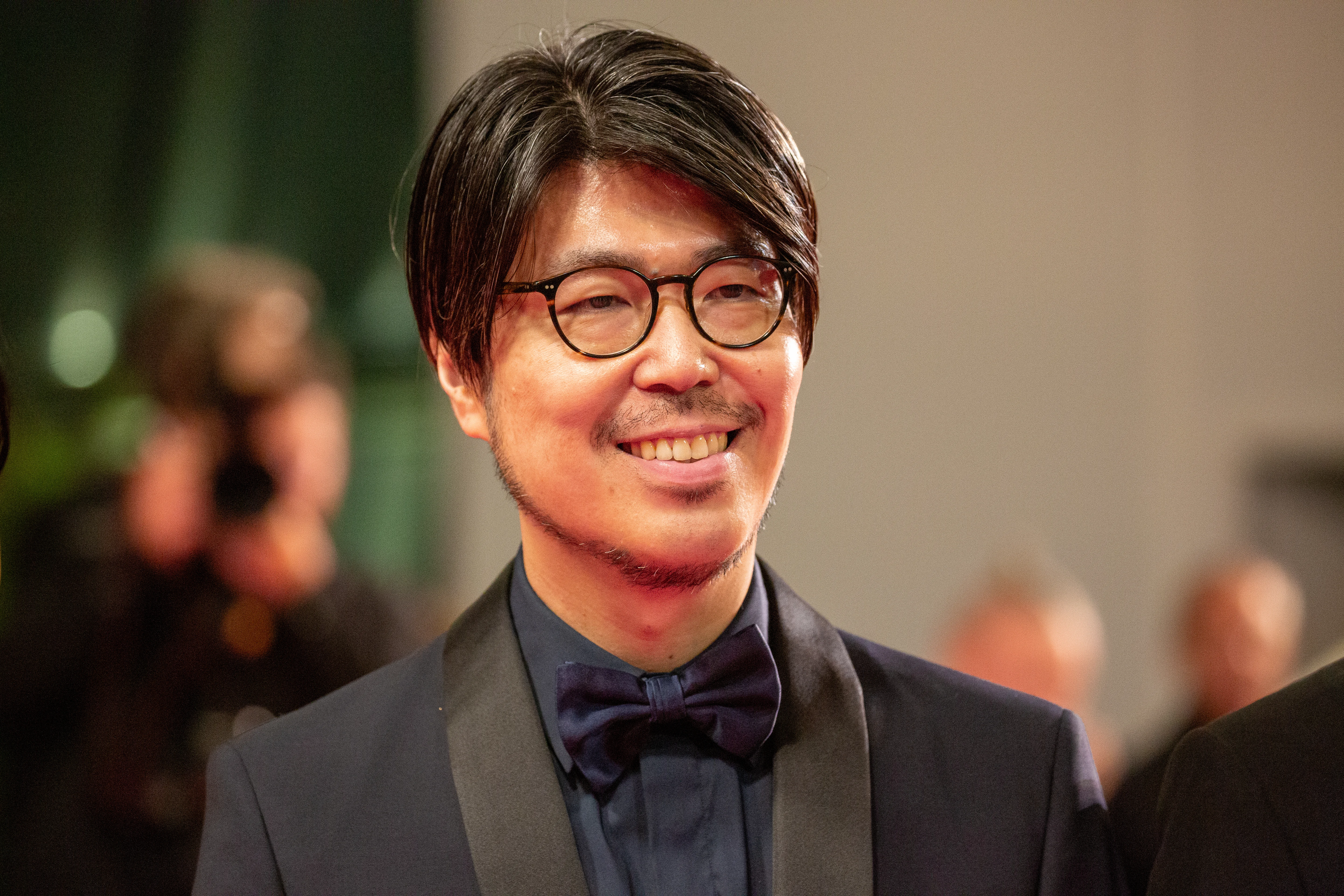
Image from Wikipedia
Image from Wikipedia
Genki Kawamura: The Japanese Storyteller Between Cinema, Literature, and Pop Culture
An exceptional creative from Yokohama, transforming stories into images, emotions, and global successes
Genki Kawamura, born in 1979 in Yokohama, is one of the defining Japanese storytellers of his generation. As a film producer, screenwriter, director, and author, he operates at the intersection of mainstream cinema, literary pop culture, and international arthouse success. His work combines precise dramaturgy, strong emotional themes, and a keen sense for cross-cultural resonance. ([genkikawamura.com](https://genkikawamura.com/))
Biography: From Journalism to Film Career
Kawamura studied journalism at Sophia University and began his film career at Toho, one of the central studios of the Japanese film industry. Early on, his talent for narratives that appeal to both mass audiences and discerning festival environments became apparent. The Hollywood Reporter named him in the 2010 "Next Generation Asia" selection; in 2011, he received the Fujimoto Award as the youngest recipient in the history of this award. ([db.nipponconnection.com](https://db.nipponconnection.com/de/person/7183/genki-kawamura))
His profile quickly evolved from a producer of successful studio films to a distinct authorial voice. His official biography highlights productions such as "Train Man," "Confessions," "Villain," "your name.," "Suzume," and "Monster." This selection showcases a career that has never been confined to a single genre, ranging from youth drama, thriller, and animated film to literary adaptations and international prestige projects. ([genkikawamura.com](https://genkikawamura.com/))
The Breakthrough: Producer with International Reach
As a producer, Kawamura reached that rare position where commercial success and cultural relevance converge. Particularly, "your name." became a global phenomenon: according to his official biography, the film surpassed 43 million worldwide viewers and won the Los Angeles Film Critics Association Award. "Suzume" and "Monster" further solidified his reputation as a producer of films that work just as well in Japan as they do at international festivals. ([genkikawamura.com](https://genkikawamura.com/))
"Suzume" was selected for the Competition of the 73rd Berlinale in 2022 and is considered one of the most successful Japanese films at international box offices according to its official site. "Monster" won the best screenplay award at Cannes in 2023 as well as the Queer Palm. These successes are more than trophies: they mark Kawamura's ability to combine material-rich stories with a clear emotional line and high production precision. ([genkikawamura.com](https://genkikawamura.com/))
Literary Success: The Bestselling Author Behind the Camera
In 2012, Kawamura published his first novel "If Cats Disappeared from the World." The book was sold in 35 countries, surpassed three million copies, and reached number 4 on the New York Times Bestseller List. This established him not only as a film strategist but also as an author with a distinct international readership. ([genkikawamura.com](https://genkikawamura.com/))
His literary work also includes children's picture books, conversation volumes, and other novels like "Million Dollar Man," "April Come She Will," "One Hundred Flowers," "Divine Song," "Chatty Rooms," and "My Horse." The official website emphasizes that these books have been published worldwide. This versatility makes Kawamura a figure who effortlessly oscillates between entertainment and literary ambition. ([genkikawamura.com](https://genkikawamura.com/))
Directorial Debut and Artistic Authorship
In 2018, Kawamura presented his directorial debut "Duality" in the short film competition at Cannes. In 2022, he followed with "A Hundred Flowers," his feature film debut as a director, screenwriter, and original author; the film competed at the San Sebastián Film Festival and earned him the Silver Shell Award for Best Direction. This signified Kawamura's transformation from a producer of others' visions into the formative author of his own visual world. ([genkikawamura.com](https://genkikawamura.com/))
By 2025, this development reached a new peak with "Exit 8." The film was officially selected at Cannes and later showcased in Toronto, Busan, Sitges, and Rotterdam, earning approximately 5 billion yen in Japan and being released in over 100 countries and regions. The international distribution through NEON underscores that Kawamura is now one of the Japanese filmmakers whose works are considered events globally. ([genkikawamura.com](https://genkikawamura.com/))
Music as a Second Field of Work: Images for Songs, Songs for Images
Since 2017, Kawamura has also been working in the music industry as a producer and director. Among his most notable works is the music video for "Something Just Like This" by The Chainsmokers & Coldplay. He was also responsible for DAOKO, whose "Uchiage Hanabi" video achieved over 660 million views on YouTube. These numbers reflect his ability to visually translate music and turn pop moments into iconic images. ([genkikawamura.com](https://genkikawamura.com/))
With Eve, Kawamura also took on creative responsibility for songwriting, music videos, and live performances; "Kaikai Kitan" also surpassed the 400 million views mark. In 2022, he was additionally responsible for the creative direction of Ed Sheeran's "Celestial." In his work, the arrangement of images, narrative condensation, and the aesthetics of digital reach merge into a distinct style. ([genkikawamura.com](https://genkikawamura.com/))
Current Projects and Releases
The most recent entries on his official site indicate that Kawamura continues to actively work across film, literature, and special projects. For 2026, new membership content, a contribution with Yōji Yamada, and the continuation of his thematic engagement with "8-ban Deguchi" are noted. As early as 2025, the homepage of the official website was updated in the style of "Exit 8," confirming the film's central presence in his current public relations efforts. ([genkikawamura.com](https://genkikawamura.com/))
Critical Reception, Awards, and Cultural Influence
Kawamura's career is closely tied to festivals, awards, and curated prestige. From the Berlinale to Cannes to San Sebastián, his projects mark a lasting presence in the international cultural sphere. His role as a producer demonstrates a rare balance: he develops works that are popular enough for global box office records while also maintaining formal and thematic relevance at festivals. ([genkikawamura.com](https://genkikawamura.com/))
The cultural influence lies not only in the numbers but also in the tone of his narratives. Kawamura is interested in loss, memory, familial bonds, identity, and the fragile moments of transition. These themes run through his novels and films, explaining why his works resonate strongly across different countries and media. ([genkikawamura.com](https://genkikawamura.com/))
Conclusion: Why Genki Kawamura Remains Fascinating
Genki Kawamura is fascinating because he understands storytelling as a total art form: as cinema, literature, music video, production, and cultural translation all at once. He represents a modern understanding of authorship that is not confined to a single medium but orchestrates emotions across various formats with precision. Anyone looking to understand contemporary Japanese culture cannot overlook him. His work is best experienced where image, sound, and story meet directly: on the big screen. ([genkikawamura.com](https://genkikawamura.com/))
Official Channels of Genki Kawamura:
- Instagram: no official profile found
- Facebook: no official profile found
- YouTube: no official profile found
- Spotify: no official profile found
- TikTok: no official profile found
- X: https://x.com/GenkiKawamura
- note: https://note.com/genkikawamura