
Blue October
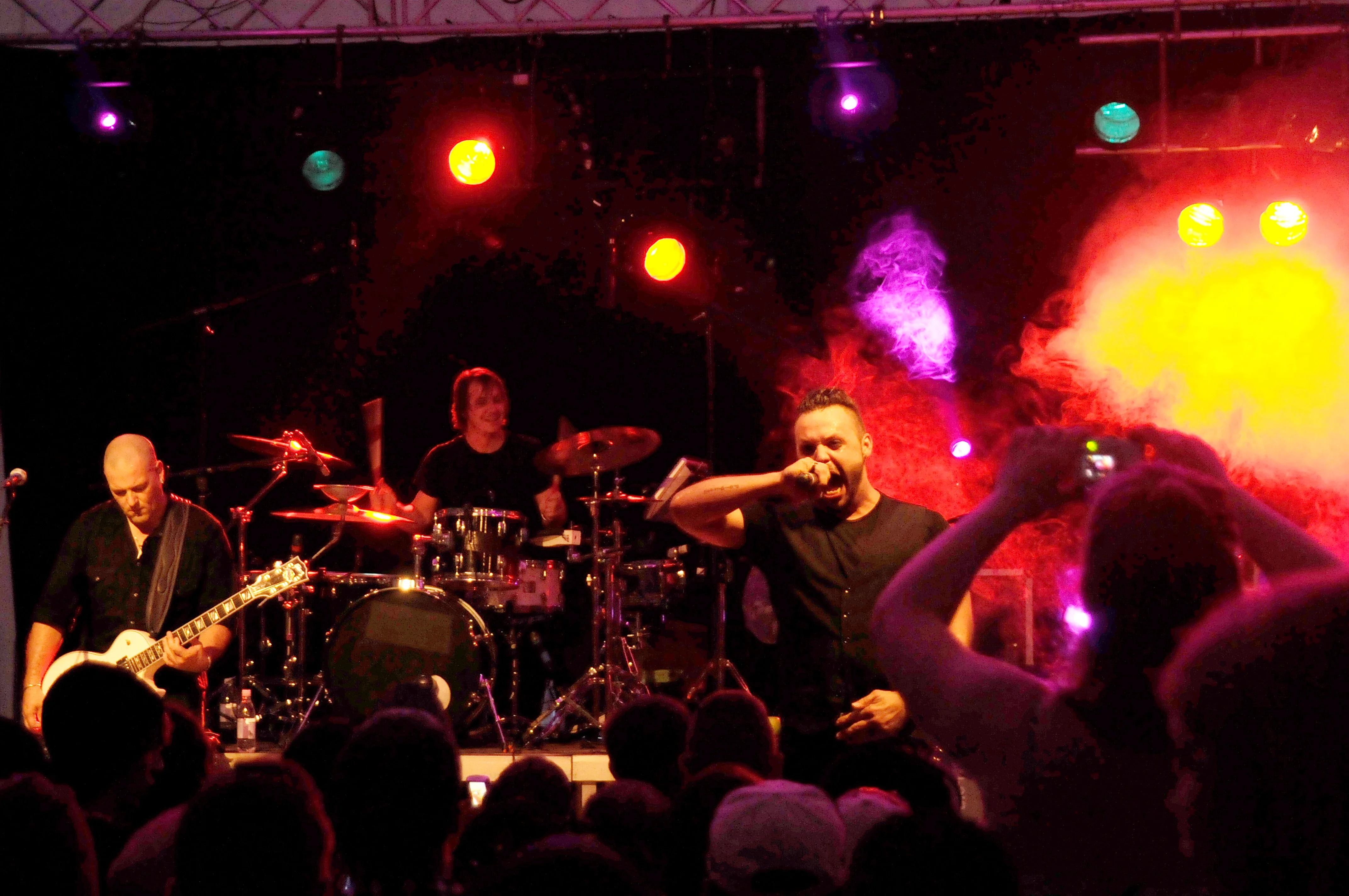
Image from Wikipedia
Image from Wikipedia
Blue October – The Emotional Alternative Rock Band from Texas
Blue October: Between Ruthless Vulnerability, Powerful Anthems, and a Distinct Stage Presence
Blue October is one of the most distinctive alternative rock bands in the United States. Since their formation in 1995 in Houston, Texas, the group, led by singer, songwriter, and guitarist Justin Furstenfeld, has evolved into a formation that translates personal crises, mental health struggles, and the search for stability into a compelling musical language. The band's name no longer merely represents a rock group, but an artistic stance: to not smooth over emotions, but to make them audible. ([en.wikipedia.org](https://en.wikipedia.org/wiki/Blue_October))
The Beginnings in Houston: From the Local Scene to Nationwide Breakthrough
Blue October emerged from the creative core of Justin Furstenfeld, his brother Jeremy, and Ryan Delahoussaye. After initial years in Texas, the band was discovered in 1998 by former Kid Rock manager Michael Rand, who recognized the live sound and strong stage presence of the group early on. The path eventually led to Universal Music Group, while the band found a new home in San Marcos, Texas. Their debut album The Answers was released in 1998 and sold a significant number of copies in Houston alone; this laid the foundation for a career that transitioned from regional attention to national relevance. ([en.wikipedia.org](https://en.wikipedia.org/wiki/Blue_October))
Even the early years show the foundation of their later music career: intense live shows, a growing reputation among fans, and a clear artistic identity. Blue October did not rise through calculated pop formulas, but rather through concerts, radio support, and a loyal fanbase. This organic development continues to shape the band today and explains why their music is perceived as particularly authentic by many listeners. ([en.wikipedia.org](https://en.wikipedia.org/wiki/Blue_October))
The Breakthrough with “Calling You”, “Hate Me”, and the Album “Foiled”
The first major boost came in 2003 with History for Sale and the single “Calling You”, which received nationwide radio play and brought the band into the spotlight of major labels. The success grew even larger with Foiled, the fourth studio album, released in 2006, which marked Blue October's commercial breakthrough. Particularly “Hate Me” and “Into the Ocean” became hallmark songs in the band’s history, with “Hate Me” climbing to number two on the Billboard Modern Rock Tracks and staying within the top five for weeks. Foiled was certified platinum in 2007 and sold approximately 1.4 million copies in the USA. ([en.wikipedia.org](https://en.wikipedia.org/wiki/Blue_October))
The success of Foiled dramatically expanded the band's reach. From primarily being a Texas-based live band, they became a national alternative rock entity that toured not only in the USA but also internationally. The songs from this phase combine precise song structure with emotional directness: hard guitars, catchy choruses, and a sense for melodic intensification that set Blue October apart from the usual post-grunge framework. ([en.wikipedia.org](https://en.wikipedia.org/wiki/Blue_October))
Texan Reality, Personal Lyrics, and the Approach to Mental Health
A central characteristic of Blue October is the lyrical openness of Justin Furstenfeld. The lyrics often revolve around personal experiences, internal conflicts, and dealing with mental disorders. Furstenfeld has spoken about his depression since the age of 14 and describes music as his primary channel of expression. This biographical depth gives the songs an emotional tension that goes far beyond typical rock lyrics. ([en.wikipedia.org](https://en.wikipedia.org/wiki/Blue_October?utm_source=openai))
Additionally, there is a social aspect: The band supports the German organization Freunde fürs Leben and engages in educational work about depression and suicide. In this way, Blue October connects artistic production with cultural responsibility. Especially in a rock landscape that often focuses on posturing and distance, this combination of vulnerability and engagement appears exceptionally credible. ([en.wikipedia.org](https://en.wikipedia.org/wiki/Blue_October?utm_source=openai))
Discography: From “The Answers” to the Current Album Phase
The discography of Blue October now includes thirteen studio albums, several live albums, and numerous singles. Key milestones include History for Sale, Foiled, Approaching Normal, Sway, Home, I Hope You’re Happy, This Is What I Live For, as well as the two-part series Spinning the Truth Around Part I and Part II. The body of work is complemented by concert albums such as Argue with a Tree, Foiled for the Last Time, Ugly Side: An Acoustic Evening with Blue October, and Things We Do at Night (Live from Texas). ([en.wikipedia.org](https://en.wikipedia.org/wiki/Blue_October_discography))
Particularly noteworthy is the band's constant presence on rock and alternative charts. According to Wikipedia, Blue October has a total of 21 Top-40 singles on the Alternative Rock chart. Among the most successful tracks are “Hate Me”, “Into the Ocean”, “Calling You”, “I Hope You’re Happy”, “Oh My My”, “Where Did You Go? I’m Less of a Mess These Days”, and “Down Here Waiting”. These hits demonstrate a band that has remained chart-worthy over two decades without losing its emotional signature. ([en.wikipedia.org](https://en.wikipedia.org/wiki/Blue_October))
Stylistics: Alternative Rock with Post-Grunge Edge and Art Rock Aspirations
Musically, Blue October can be described as alternative rock with occasional touches of post-grunge and progressive rock. The band themselves refer to their style as “Bipolar Art Rock”, a term that captures their range well: anthemic choruses intersect with fragile passages, and rock intensity meets chamber music colors. Ryan Delahoussaye's violin, mandolin, mandocello, and keyboards add a distinctive sound to the classic rock lineup. ([en.wikipedia.org](https://en.wikipedia.org/wiki/Blue_October?utm_source=openai))
This instrumental diversity shapes the arrangement of many songs. Instead of relying on walls of guitars, the band works with dynamics, tension arcs, and melodic contrasts. In particular, the interplay of Justin Furstenfeld's distinctive voice, Jeremy Furstenfeld's rhythmic stability, and the melodic foundation provided by Matt Noveskey and Ryan Delahoussaye creates a sound that feels both accessible and emotionally charged. ([en.wikipedia.org](https://en.wikipedia.org/wiki/Blue_October))
Critical Reception, Awards, and Cultural Influence
Blue October has been received very differently by critics, but the band's lasting influence is undeniable. Houston Press has repeatedly recognized the group, including awards for Best New Act and multiple nods as Best Pop/Rock Artist; additionally, History for Sale received the title Album of the Year. At the same time, the chart numbers and gold and platinum successes show that the band was not only a scene and live act, but also a relevant commercial entity. ([en.wikipedia.org](https://en.wikipedia.org/wiki/Blue_October))
The cultural influence of Blue October lies primarily in the connection of personal storytelling and mass-appeal rock songs. Many bands write about pain; few do so with this level of consistency and openness. Blue October has established an aesthetic where vulnerability is not seen as a weakness but as a source of energy. This is where the band's unique authority in modern alternative rock continues to lie today. ([en.wikipedia.org](https://en.wikipedia.org/wiki/Blue_October))
Current Projects and the Next Phase of the Band
In 2024 and 2025, Blue October remained productive and active on tour. In March 2024, the single “Everything We Lost in the Fire” was released, which reports indicate was initially considered the title track for an upcoming album and brought the band back into the top 40 of the Alternative Airplay charts. In December 2024, the remix and sampler project Happy Birthday followed, bundling remixes from earlier albums and two previously unreleased songs. These releases show that Blue October is not only managing its archive but also creatively developing it. ([en.wikipedia.org](https://en.wikipedia.org/wiki/Blue_October))
In 2025, the band continued this momentum with the single “Hot Stuff” and announced tour activities, including the We Didn’t Die Young Tour and, prior to that, the Argue With A Tree 2025 Summer Tour. According to the official band website, Blue October is also working on their 13th studio album, set to be released in 2026. Additionally, a Foiled anniversary vinyl and a tour where the album will be played in full are scheduled for 2026. This is not only nostalgia but also a smart look at the band's catalog history. ([blueoctober.com](https://www.blueoctober.com/post/blue-october-announces-fall-2025-we-didn-t-die-young-tour))
Conclusion: Why Blue October Captivates to This Day
Blue October remains intriguing because the band embodies a rare mix of emotional openness, compositional discipline, and endurance. The songs carry biographical weight, the arrangements have depth, and the live presence transforms personal crises into collective resonance. Witnessing Blue October live is not just a mere retrospective of past successes, but rather a band that continually brings its story back to the stage. This is precisely why a concert by this group is particularly worthwhile. ([en.wikipedia.org](https://en.wikipedia.org/wiki/Blue_October))
Official Channels of Blue October:
- Instagram: https://www.instagram.com/blueoctoberband/
- Facebook: https://www.facebook.com/blueoctober/
- YouTube: https://www.youtube.com/user/blueoctoberofficial
- Spotify: https://open.spotify.com/artist/1TJbmc7jTpw78GKCiMpvDh
- TikTok: https://www.tiktok.com/@blueoctoberband?lang=en
Sources:
- Wikipedia – Blue October
- Wikipedia – Blue October (English)
- Wikipedia – Blue October discography
- Blue October – Social Media Accounts
- Blue October – Official Website
- Blue October – Everything We Lost in the Fire
- Blue October – We Didn’t Die Young Tour
- Spotify – Blue October
- Facebook – Blue October
- YouTube – blueoctoberofficial
- TikTok – Blue October