
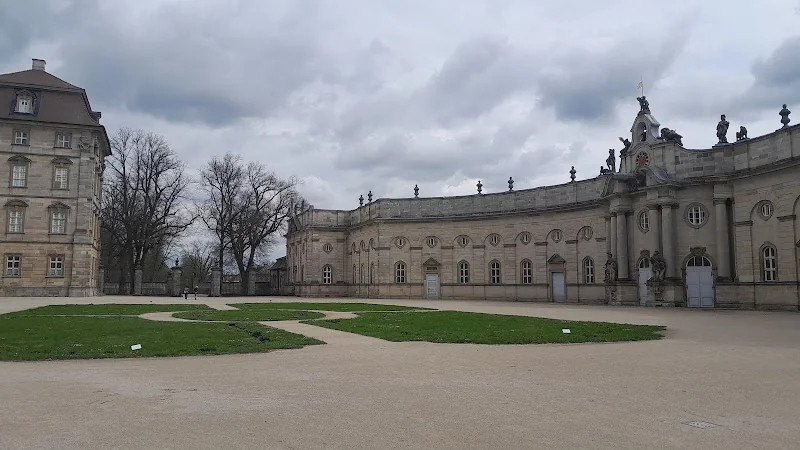
Pommersfelden
96178 Pommersfelden, Deutschland
Chapel in Schloss Weissenstein | Interior & Tours
The chapel in Schloss Weissenstein in Pommersfelden is more than just a pretty side room: it is part of the oldest section of one of the most significant Franconian Baroque complexes and is at the center of many tours, weddings, and cultural events. Schloss Weissenstein was built between 1711 and 1718 by Lothar Franz von Schönborn as a representative summer residence; today it is considered one of the most important examples of Franconian Baroque with its painting galleries, complete interior furnishings, and exceptionally well-preserved building substance. Those who visit the chapel experience a place where architecture, memory, and use come together to this day. The chapel is not only historically interesting but also practically significant: it is used for chapel tours, can be booked for church weddings, and provides a concentrated view of the history of the house during the tour. This combination makes the chapel in Schloss Weissenstein a strong destination for visitors interested in interiors, Baroque architecture, tours, and special occasions. ([schoenborn.de](https://www.schoenborn.de/schloss-weissenstein/geschichte/))
Schloss Weißenstein interior: History of the Chapel
The history of the chapel shows several layers of construction and use that are particularly exciting for visitors today. The castle history of the Graf von Schönborn family first mentions the chapel in 1471; at the same time, the current chapel page describes it as the oldest part of the castle, which was consecrated to Maria Immaculata in 1718. In the art historical classification by Dehio, the Baroque chapel is described as begun in 1711 and consecrated in 1718. It also mentions the spatial form with a mirror vault over a longitudinal rectangle, the corner niches, the side oratories, the stucco work by Schenk, and the comparatively simple high altar. Together with the castle's history, this creates a picture of several renovations and reconstructions: a Baroque redesign around 1700, a later neo-Gothic renovation in 1877, and the current use as a vibrant space in the castle. Particularly noteworthy is that the chapel not only has art historical significance but also carries a serious memorial component. At the end of May 2022, a memorial plaque for the sixty victims of the forced housing in Schloss Weissenstein was unveiled there. Therefore, today, when entering the chapel, one sees not only a sacred space from the Baroque era but also a place where the history of the house is openly documented and consciously maintained. This connection of sacred function, Baroque decoration, memorial work, and private family history makes the chapel in Pommersfelden so unique. ([schlossweissenstein.de](https://www.schlossweissenstein.de/schloss-umgebung/das-schloss/geschichte))
Experience Schloss Weißenstein interior: Furnishings, Chapel, and Rooms
Schloss Weißenstein interior means much more than just the chapel alone. The official castle history refers to the great internal highlights of the house: the three-story staircase with frescoes by Marchini and Byss, the grotto as a transition between inside and outside, the marble hall above it as the current festival and concert hall, the originally preserved private apartments, and the splendid mirror cabinet as one of the oldest preserved in Europe. In this context, the chapel acts as a concentrated entry point into the history of the complex. During the chapel tour, various representations of Mary from several epochs are explained, and the close connection to the builder, Elector Lothar Franz von Schönborn, is emphasized. The chapel is considered the oldest part of the magnificent castle complex and is thus the ideal space to seek images, interior views, and historical details. Those who want a visual impression in advance can use the virtual tour provided by the castle administration; on-site, it is complemented by the original rooms and collections, which make the castle feel like a walkable art and storytelling experience for many guests. It is also important to note that the tour often addresses the atmosphere of the space: the summer residence has no heating options, which means that temperatures in the castle and chapel can be noticeably lower, especially in spring and autumn. Therefore, those who wish to experience the chapel in Schloss Weissenstein should pay attention not only to photos but also to the real space, as the combination of wall paintings, altars, collection rooms, and historical silence adds to the charm of the visit. ([schoenborn.de](https://www.schoenborn.de/schloss-weissenstein/geschichte/))
Directions and Parking at Schloss Weißenstein in Pommersfelden
For directions to Schloss Weissenstein in Pommersfelden, the official route planner is the nearby starting point. The castle administration states the address as Schloß 1, 96178 Pommersfelden. Those arriving by car will find parking options at the castle according to KOMPASS; driving is recommended, and the bus stop Schloss Weißenstein, Pommersfelden is also mentioned. Additional parking spaces are designated nearby for special events. This is important for families, older visitors, and groups, as the castle visit remains well-planned despite its location on the outskirts. The castle is located in the vicinity of Bamberg and on the edge of the Steigerwald, making it a region where a cultural visit can be well combined with other excursion destinations. It is also practical for planning that visitors should allow enough time for the walk to the entrance during group tours, as the castle can only be visited as part of a guided tour. Therefore, for those looking to park at Schloss Weissenstein or directions to the chapel, here is a clear answer: the approach is via Pommersfelden, the visit should be planned with sufficient time for the entrance, the walk to the castle, and the tour, and for events, the designated parking areas should be used. The combination of rural location, good route reference, and visible castle address makes the journey uncomplicated when prepared briefly in advance. ([schoenborn.de](https://www.schoenborn.de/schloss-weissenstein/kontakt/?utm_source=openai))
Guided Tours, Opening Hours, and Practical Visitor Tips
The castle can only be visited as part of a guided tour, and this is precisely what gives the visit its special character. The regular opening hours of the museum are from Thursday to Sunday between 11:00 and 17:00; Monday, Tuesday, and Wednesday are rest days. Tours take place hourly, and the castle park has its own opening hours that differ on weekdays. For groups, tours can also be booked outside of regular hours, and the castle administration explicitly requests that you notify them in advance for desired dates. The chapel tour is a separate format: it lasts 45 minutes, costs 12 euros per person, and showcases the chapel with representations of Mary from several epochs as well as the connection to the builder Lothar Franz von Schönborn. There are additional offerings for families with children, such as children's tours and special themed tours. Practical notes from the castle administration are also important: it can be cold in the castle, especially in the months of April to mid-May and in October, as it is a summer residence without heating options. Accordingly, warm clothing and good footwear are recommended. This is particularly relevant for the chapel, as it is historically and climatically one of the cooler rooms. Therefore, those visiting the house for the first time should not view the tour as a quick stop but as a longer cultural walk with time for the interior, the chapel, and the park. This combination explains why Schloss Weissenstein is so relevant for inquiries about opening hours, visits, tours, and interiors. ([schoenborn.de](https://www.schoenborn.de/schloss-weissenstein/weissenstein-besuchen/?utm_source=openai))
Collegium Musicum, Concerts, and Special Events
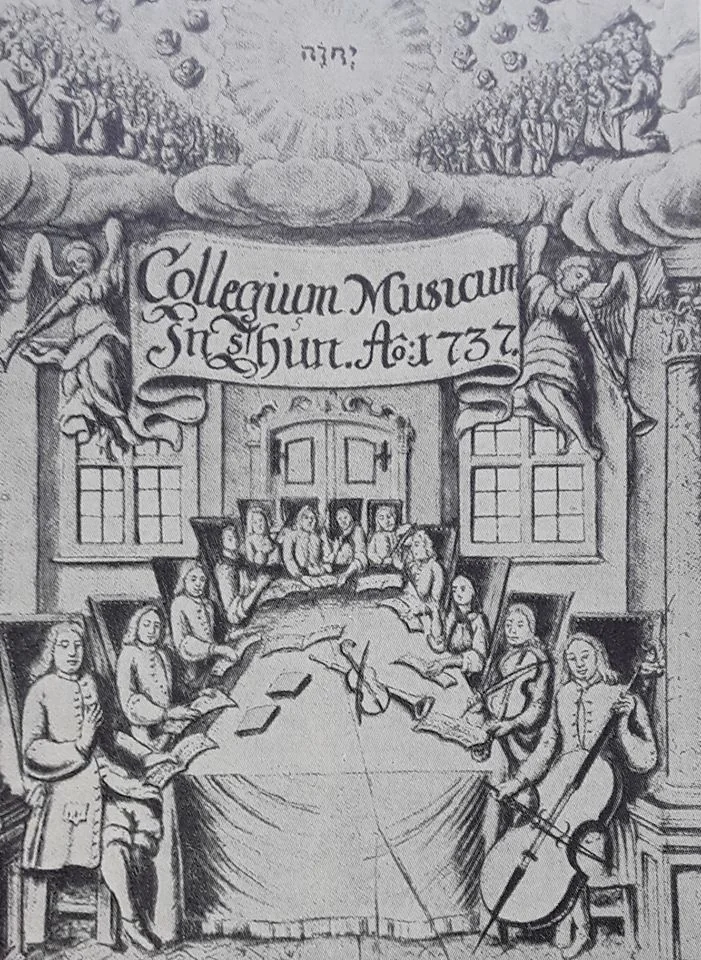
The cultural life of Schloss Weissenstein is closely linked to music. Particularly important is the Collegium Musicum Schloss Pommersfelden, which has been inviting outstanding young musicians from all over Europe to Pommersfelden since 1958. For four weeks, they rehearse together, and the works produced are performed in the magnificent marble hall. The summer academy is now considered one of the most prestigious musical summer programs in Europe and is also the third oldest of its kind on the continent. For visitors, this means: Schloss Weissenstein is not only a museum but also a lively concert venue during the summer months. The marble hall plays a central role as the festival and concert hall, while the other rooms and the park can be used for special events, receptions, and gatherings. The chapel itself is also significant as an event venue, as it can be rented for church weddings and offers a fitting setting for a sacred celebration with its nearly 90 seats. Civil weddings can take place in the saddle room; there, the number of seats is limited, and the date is coordinated with the municipality of Pommersfelden. The official event page also states that the castle offers various options for indoor and outdoor events, from the small courtyard to the large castle park. The municipal event overview also shows that concerts in the marble hall and summer concert series are regularly part of the program. Therefore, those searching for Collegium Musicum Schloss Weissenstein, marble hall, or chapel weddings will find a true cultural center here with music, celebrations, and a historically grown ambiance. ([schoenborn.de](https://www.schoenborn.de/geschaeftsbereiche/collegum-musicum/))
Pommersfelden, Castle Park, and the Unique Location of the Ensemble
The special effect of Schloss Weißenstein in Pommersfelden also arises from the context of the entire complex. The castle was built as a private summer residence by Lothar Franz von Schönborn and has survived all wars unscathed in its 300-year history; therefore, it is one of the best-preserved castle complexes of its era. The castle administration emphasizes the impressive Baroque architecture, the art collections, and the castle park, which was redesigned in the English style in the 19th century. The complex also includes a covered church path that leads directly from the castle to the church in Weißenstein and is a true rarity according to the castle's history, as similar church paths exist only a few times in Germany. For visitors, this is not only a historical detail but also an indication of how closely the castle, church, village, and nobility were connected here for centuries. It is fitting that the site is now continued as a publicly accessible cultural venue but also as a private family heritage. For this reason, the chapel in Schloss Weissenstein should not be viewed in isolation: it is at the center of a whole ensemble of castle park, staircase, marble hall, grotto, gallery, and church connection. Therefore, those visiting the area experience not just an individual sight but a fully preserved Baroque model of life and representation that has remained visible in Pommersfelden to this day. ([schoenborn.de](https://www.schoenborn.de/schloss-weissenstein/geschichte/))
Sources:
- Graf von Schönborn – Schloss Weissenstein: History
- Graf von Schönborn – A Visit to the Chapel
- Graf von Schönborn – Opening Hours and Visitor Information
- Graf von Schönborn – Tours at Schloss Weissenstein
- Graf von Schönborn – Weddings at the Castle
- Graf von Schönborn – Collegium Musicum
- Graf von Schönborn – Tournament Games at Schloss Weissenstein
- KOMPASS – From Schloss Weißenstein to Sambach
- Municipality of Pommersfelden – Event Calendar 2025
- Dehio – Pommersfelden / Schloss Weißenstein
Mehr anzeigenWeniger anzeigen
Chapel in Schloss Weissenstein | Interior & Tours
The chapel in Schloss Weissenstein in Pommersfelden is more than just a pretty side room: it is part of the oldest section of one of the most significant Franconian Baroque complexes and is at the center of many tours, weddings, and cultural events. Schloss Weissenstein was built between 1711 and 1718 by Lothar Franz von Schönborn as a representative summer residence; today it is considered one of the most important examples of Franconian Baroque with its painting galleries, complete interior furnishings, and exceptionally well-preserved building substance. Those who visit the chapel experience a place where architecture, memory, and use come together to this day. The chapel is not only historically interesting but also practically significant: it is used for chapel tours, can be booked for church weddings, and provides a concentrated view of the history of the house during the tour. This combination makes the chapel in Schloss Weissenstein a strong destination for visitors interested in interiors, Baroque architecture, tours, and special occasions. ([schoenborn.de](https://www.schoenborn.de/schloss-weissenstein/geschichte/))
Schloss Weißenstein interior: History of the Chapel
The history of the chapel shows several layers of construction and use that are particularly exciting for visitors today. The castle history of the Graf von Schönborn family first mentions the chapel in 1471; at the same time, the current chapel page describes it as the oldest part of the castle, which was consecrated to Maria Immaculata in 1718. In the art historical classification by Dehio, the Baroque chapel is described as begun in 1711 and consecrated in 1718. It also mentions the spatial form with a mirror vault over a longitudinal rectangle, the corner niches, the side oratories, the stucco work by Schenk, and the comparatively simple high altar. Together with the castle's history, this creates a picture of several renovations and reconstructions: a Baroque redesign around 1700, a later neo-Gothic renovation in 1877, and the current use as a vibrant space in the castle. Particularly noteworthy is that the chapel not only has art historical significance but also carries a serious memorial component. At the end of May 2022, a memorial plaque for the sixty victims of the forced housing in Schloss Weissenstein was unveiled there. Therefore, today, when entering the chapel, one sees not only a sacred space from the Baroque era but also a place where the history of the house is openly documented and consciously maintained. This connection of sacred function, Baroque decoration, memorial work, and private family history makes the chapel in Pommersfelden so unique. ([schlossweissenstein.de](https://www.schlossweissenstein.de/schloss-umgebung/das-schloss/geschichte))
Experience Schloss Weißenstein interior: Furnishings, Chapel, and Rooms
Schloss Weißenstein interior means much more than just the chapel alone. The official castle history refers to the great internal highlights of the house: the three-story staircase with frescoes by Marchini and Byss, the grotto as a transition between inside and outside, the marble hall above it as the current festival and concert hall, the originally preserved private apartments, and the splendid mirror cabinet as one of the oldest preserved in Europe. In this context, the chapel acts as a concentrated entry point into the history of the complex. During the chapel tour, various representations of Mary from several epochs are explained, and the close connection to the builder, Elector Lothar Franz von Schönborn, is emphasized. The chapel is considered the oldest part of the magnificent castle complex and is thus the ideal space to seek images, interior views, and historical details. Those who want a visual impression in advance can use the virtual tour provided by the castle administration; on-site, it is complemented by the original rooms and collections, which make the castle feel like a walkable art and storytelling experience for many guests. It is also important to note that the tour often addresses the atmosphere of the space: the summer residence has no heating options, which means that temperatures in the castle and chapel can be noticeably lower, especially in spring and autumn. Therefore, those who wish to experience the chapel in Schloss Weissenstein should pay attention not only to photos but also to the real space, as the combination of wall paintings, altars, collection rooms, and historical silence adds to the charm of the visit. ([schoenborn.de](https://www.schoenborn.de/schloss-weissenstein/geschichte/))
Directions and Parking at Schloss Weißenstein in Pommersfelden
For directions to Schloss Weissenstein in Pommersfelden, the official route planner is the nearby starting point. The castle administration states the address as Schloß 1, 96178 Pommersfelden. Those arriving by car will find parking options at the castle according to KOMPASS; driving is recommended, and the bus stop Schloss Weißenstein, Pommersfelden is also mentioned. Additional parking spaces are designated nearby for special events. This is important for families, older visitors, and groups, as the castle visit remains well-planned despite its location on the outskirts. The castle is located in the vicinity of Bamberg and on the edge of the Steigerwald, making it a region where a cultural visit can be well combined with other excursion destinations. It is also practical for planning that visitors should allow enough time for the walk to the entrance during group tours, as the castle can only be visited as part of a guided tour. Therefore, for those looking to park at Schloss Weissenstein or directions to the chapel, here is a clear answer: the approach is via Pommersfelden, the visit should be planned with sufficient time for the entrance, the walk to the castle, and the tour, and for events, the designated parking areas should be used. The combination of rural location, good route reference, and visible castle address makes the journey uncomplicated when prepared briefly in advance. ([schoenborn.de](https://www.schoenborn.de/schloss-weissenstein/kontakt/?utm_source=openai))
Guided Tours, Opening Hours, and Practical Visitor Tips
The castle can only be visited as part of a guided tour, and this is precisely what gives the visit its special character. The regular opening hours of the museum are from Thursday to Sunday between 11:00 and 17:00; Monday, Tuesday, and Wednesday are rest days. Tours take place hourly, and the castle park has its own opening hours that differ on weekdays. For groups, tours can also be booked outside of regular hours, and the castle administration explicitly requests that you notify them in advance for desired dates. The chapel tour is a separate format: it lasts 45 minutes, costs 12 euros per person, and showcases the chapel with representations of Mary from several epochs as well as the connection to the builder Lothar Franz von Schönborn. There are additional offerings for families with children, such as children's tours and special themed tours. Practical notes from the castle administration are also important: it can be cold in the castle, especially in the months of April to mid-May and in October, as it is a summer residence without heating options. Accordingly, warm clothing and good footwear are recommended. This is particularly relevant for the chapel, as it is historically and climatically one of the cooler rooms. Therefore, those visiting the house for the first time should not view the tour as a quick stop but as a longer cultural walk with time for the interior, the chapel, and the park. This combination explains why Schloss Weissenstein is so relevant for inquiries about opening hours, visits, tours, and interiors. ([schoenborn.de](https://www.schoenborn.de/schloss-weissenstein/weissenstein-besuchen/?utm_source=openai))
Collegium Musicum, Concerts, and Special Events
The cultural life of Schloss Weissenstein is closely linked to music. Particularly important is the Collegium Musicum Schloss Pommersfelden, which has been inviting outstanding young musicians from all over Europe to Pommersfelden since 1958. For four weeks, they rehearse together, and the works produced are performed in the magnificent marble hall. The summer academy is now considered one of the most prestigious musical summer programs in Europe and is also the third oldest of its kind on the continent. For visitors, this means: Schloss Weissenstein is not only a museum but also a lively concert venue during the summer months. The marble hall plays a central role as the festival and concert hall, while the other rooms and the park can be used for special events, receptions, and gatherings. The chapel itself is also significant as an event venue, as it can be rented for church weddings and offers a fitting setting for a sacred celebration with its nearly 90 seats. Civil weddings can take place in the saddle room; there, the number of seats is limited, and the date is coordinated with the municipality of Pommersfelden. The official event page also states that the castle offers various options for indoor and outdoor events, from the small courtyard to the large castle park. The municipal event overview also shows that concerts in the marble hall and summer concert series are regularly part of the program. Therefore, those searching for Collegium Musicum Schloss Weissenstein, marble hall, or chapel weddings will find a true cultural center here with music, celebrations, and a historically grown ambiance. ([schoenborn.de](https://www.schoenborn.de/geschaeftsbereiche/collegum-musicum/))
Pommersfelden, Castle Park, and the Unique Location of the Ensemble
The special effect of Schloss Weißenstein in Pommersfelden also arises from the context of the entire complex. The castle was built as a private summer residence by Lothar Franz von Schönborn and has survived all wars unscathed in its 300-year history; therefore, it is one of the best-preserved castle complexes of its era. The castle administration emphasizes the impressive Baroque architecture, the art collections, and the castle park, which was redesigned in the English style in the 19th century. The complex also includes a covered church path that leads directly from the castle to the church in Weißenstein and is a true rarity according to the castle's history, as similar church paths exist only a few times in Germany. For visitors, this is not only a historical detail but also an indication of how closely the castle, church, village, and nobility were connected here for centuries. It is fitting that the site is now continued as a publicly accessible cultural venue but also as a private family heritage. For this reason, the chapel in Schloss Weissenstein should not be viewed in isolation: it is at the center of a whole ensemble of castle park, staircase, marble hall, grotto, gallery, and church connection. Therefore, those visiting the area experience not just an individual sight but a fully preserved Baroque model of life and representation that has remained visible in Pommersfelden to this day. ([schoenborn.de](https://www.schoenborn.de/schloss-weissenstein/geschichte/))
Sources:
- Graf von Schönborn – Schloss Weissenstein: History
- Graf von Schönborn – A Visit to the Chapel
- Graf von Schönborn – Opening Hours and Visitor Information
- Graf von Schönborn – Tours at Schloss Weissenstein
- Graf von Schönborn – Weddings at the Castle
- Graf von Schönborn – Collegium Musicum
- Graf von Schönborn – Tournament Games at Schloss Weissenstein
- KOMPASS – From Schloss Weißenstein to Sambach
- Municipality of Pommersfelden – Event Calendar 2025
- Dehio – Pommersfelden / Schloss Weißenstein
Chapel in Schloss Weissenstein | Interior & Tours
The chapel in Schloss Weissenstein in Pommersfelden is more than just a pretty side room: it is part of the oldest section of one of the most significant Franconian Baroque complexes and is at the center of many tours, weddings, and cultural events. Schloss Weissenstein was built between 1711 and 1718 by Lothar Franz von Schönborn as a representative summer residence; today it is considered one of the most important examples of Franconian Baroque with its painting galleries, complete interior furnishings, and exceptionally well-preserved building substance. Those who visit the chapel experience a place where architecture, memory, and use come together to this day. The chapel is not only historically interesting but also practically significant: it is used for chapel tours, can be booked for church weddings, and provides a concentrated view of the history of the house during the tour. This combination makes the chapel in Schloss Weissenstein a strong destination for visitors interested in interiors, Baroque architecture, tours, and special occasions. ([schoenborn.de](https://www.schoenborn.de/schloss-weissenstein/geschichte/))
Schloss Weißenstein interior: History of the Chapel
The history of the chapel shows several layers of construction and use that are particularly exciting for visitors today. The castle history of the Graf von Schönborn family first mentions the chapel in 1471; at the same time, the current chapel page describes it as the oldest part of the castle, which was consecrated to Maria Immaculata in 1718. In the art historical classification by Dehio, the Baroque chapel is described as begun in 1711 and consecrated in 1718. It also mentions the spatial form with a mirror vault over a longitudinal rectangle, the corner niches, the side oratories, the stucco work by Schenk, and the comparatively simple high altar. Together with the castle's history, this creates a picture of several renovations and reconstructions: a Baroque redesign around 1700, a later neo-Gothic renovation in 1877, and the current use as a vibrant space in the castle. Particularly noteworthy is that the chapel not only has art historical significance but also carries a serious memorial component. At the end of May 2022, a memorial plaque for the sixty victims of the forced housing in Schloss Weissenstein was unveiled there. Therefore, today, when entering the chapel, one sees not only a sacred space from the Baroque era but also a place where the history of the house is openly documented and consciously maintained. This connection of sacred function, Baroque decoration, memorial work, and private family history makes the chapel in Pommersfelden so unique. ([schlossweissenstein.de](https://www.schlossweissenstein.de/schloss-umgebung/das-schloss/geschichte))
Experience Schloss Weißenstein interior: Furnishings, Chapel, and Rooms
Schloss Weißenstein interior means much more than just the chapel alone. The official castle history refers to the great internal highlights of the house: the three-story staircase with frescoes by Marchini and Byss, the grotto as a transition between inside and outside, the marble hall above it as the current festival and concert hall, the originally preserved private apartments, and the splendid mirror cabinet as one of the oldest preserved in Europe. In this context, the chapel acts as a concentrated entry point into the history of the complex. During the chapel tour, various representations of Mary from several epochs are explained, and the close connection to the builder, Elector Lothar Franz von Schönborn, is emphasized. The chapel is considered the oldest part of the magnificent castle complex and is thus the ideal space to seek images, interior views, and historical details. Those who want a visual impression in advance can use the virtual tour provided by the castle administration; on-site, it is complemented by the original rooms and collections, which make the castle feel like a walkable art and storytelling experience for many guests. It is also important to note that the tour often addresses the atmosphere of the space: the summer residence has no heating options, which means that temperatures in the castle and chapel can be noticeably lower, especially in spring and autumn. Therefore, those who wish to experience the chapel in Schloss Weissenstein should pay attention not only to photos but also to the real space, as the combination of wall paintings, altars, collection rooms, and historical silence adds to the charm of the visit. ([schoenborn.de](https://www.schoenborn.de/schloss-weissenstein/geschichte/))
Directions and Parking at Schloss Weißenstein in Pommersfelden
For directions to Schloss Weissenstein in Pommersfelden, the official route planner is the nearby starting point. The castle administration states the address as Schloß 1, 96178 Pommersfelden. Those arriving by car will find parking options at the castle according to KOMPASS; driving is recommended, and the bus stop Schloss Weißenstein, Pommersfelden is also mentioned. Additional parking spaces are designated nearby for special events. This is important for families, older visitors, and groups, as the castle visit remains well-planned despite its location on the outskirts. The castle is located in the vicinity of Bamberg and on the edge of the Steigerwald, making it a region where a cultural visit can be well combined with other excursion destinations. It is also practical for planning that visitors should allow enough time for the walk to the entrance during group tours, as the castle can only be visited as part of a guided tour. Therefore, for those looking to park at Schloss Weissenstein or directions to the chapel, here is a clear answer: the approach is via Pommersfelden, the visit should be planned with sufficient time for the entrance, the walk to the castle, and the tour, and for events, the designated parking areas should be used. The combination of rural location, good route reference, and visible castle address makes the journey uncomplicated when prepared briefly in advance. ([schoenborn.de](https://www.schoenborn.de/schloss-weissenstein/kontakt/?utm_source=openai))
Guided Tours, Opening Hours, and Practical Visitor Tips
The castle can only be visited as part of a guided tour, and this is precisely what gives the visit its special character. The regular opening hours of the museum are from Thursday to Sunday between 11:00 and 17:00; Monday, Tuesday, and Wednesday are rest days. Tours take place hourly, and the castle park has its own opening hours that differ on weekdays. For groups, tours can also be booked outside of regular hours, and the castle administration explicitly requests that you notify them in advance for desired dates. The chapel tour is a separate format: it lasts 45 minutes, costs 12 euros per person, and showcases the chapel with representations of Mary from several epochs as well as the connection to the builder Lothar Franz von Schönborn. There are additional offerings for families with children, such as children's tours and special themed tours. Practical notes from the castle administration are also important: it can be cold in the castle, especially in the months of April to mid-May and in October, as it is a summer residence without heating options. Accordingly, warm clothing and good footwear are recommended. This is particularly relevant for the chapel, as it is historically and climatically one of the cooler rooms. Therefore, those visiting the house for the first time should not view the tour as a quick stop but as a longer cultural walk with time for the interior, the chapel, and the park. This combination explains why Schloss Weissenstein is so relevant for inquiries about opening hours, visits, tours, and interiors. ([schoenborn.de](https://www.schoenborn.de/schloss-weissenstein/weissenstein-besuchen/?utm_source=openai))
Collegium Musicum, Concerts, and Special Events
The cultural life of Schloss Weissenstein is closely linked to music. Particularly important is the Collegium Musicum Schloss Pommersfelden, which has been inviting outstanding young musicians from all over Europe to Pommersfelden since 1958. For four weeks, they rehearse together, and the works produced are performed in the magnificent marble hall. The summer academy is now considered one of the most prestigious musical summer programs in Europe and is also the third oldest of its kind on the continent. For visitors, this means: Schloss Weissenstein is not only a museum but also a lively concert venue during the summer months. The marble hall plays a central role as the festival and concert hall, while the other rooms and the park can be used for special events, receptions, and gatherings. The chapel itself is also significant as an event venue, as it can be rented for church weddings and offers a fitting setting for a sacred celebration with its nearly 90 seats. Civil weddings can take place in the saddle room; there, the number of seats is limited, and the date is coordinated with the municipality of Pommersfelden. The official event page also states that the castle offers various options for indoor and outdoor events, from the small courtyard to the large castle park. The municipal event overview also shows that concerts in the marble hall and summer concert series are regularly part of the program. Therefore, those searching for Collegium Musicum Schloss Weissenstein, marble hall, or chapel weddings will find a true cultural center here with music, celebrations, and a historically grown ambiance. ([schoenborn.de](https://www.schoenborn.de/geschaeftsbereiche/collegum-musicum/))
Pommersfelden, Castle Park, and the Unique Location of the Ensemble
The special effect of Schloss Weißenstein in Pommersfelden also arises from the context of the entire complex. The castle was built as a private summer residence by Lothar Franz von Schönborn and has survived all wars unscathed in its 300-year history; therefore, it is one of the best-preserved castle complexes of its era. The castle administration emphasizes the impressive Baroque architecture, the art collections, and the castle park, which was redesigned in the English style in the 19th century. The complex also includes a covered church path that leads directly from the castle to the church in Weißenstein and is a true rarity according to the castle's history, as similar church paths exist only a few times in Germany. For visitors, this is not only a historical detail but also an indication of how closely the castle, church, village, and nobility were connected here for centuries. It is fitting that the site is now continued as a publicly accessible cultural venue but also as a private family heritage. For this reason, the chapel in Schloss Weissenstein should not be viewed in isolation: it is at the center of a whole ensemble of castle park, staircase, marble hall, grotto, gallery, and church connection. Therefore, those visiting the area experience not just an individual sight but a fully preserved Baroque model of life and representation that has remained visible in Pommersfelden to this day. ([schoenborn.de](https://www.schoenborn.de/schloss-weissenstein/geschichte/))
Sources:
- Graf von Schönborn – Schloss Weissenstein: History
- Graf von Schönborn – A Visit to the Chapel
- Graf von Schönborn – Opening Hours and Visitor Information
- Graf von Schönborn – Tours at Schloss Weissenstein
- Graf von Schönborn – Weddings at the Castle
- Graf von Schönborn – Collegium Musicum
- Graf von Schönborn – Tournament Games at Schloss Weissenstein
- KOMPASS – From Schloss Weißenstein to Sambach
- Municipality of Pommersfelden – Event Calendar 2025
- Dehio – Pommersfelden / Schloss Weißenstein
Frequently Asked Questions
Reviews
No reviews found