
Bamberg
Concordiastraße 28, 96049 Bamberg, Deutschland
International Artist House Villa Concordia | Photos & Directions
The International Artist House Villa Concordia is much more than a beautiful address by the water in Bamberg. It is a place where baroque architecture, contemporary art production, and public cultural mediation intertwine. Those looking for photos, reviews, opening hours, or the best way to get there quickly realize that this place does not function like a classic event location. Villa Concordia is both a palace, a workspace, a scholarship house, and a stage for literature, music, and visual arts. Since 1998, new artistic works have been created here, which are regularly presented to the public through various events. Every year, selected scholarship holders from Germany and a guest country live and work here for several months in a quiet environment, while the public can participate in exhibitions, readings, concerts, and guided tours. This mix of historical substance, open cultural work, and concentrated working atmosphere makes Villa Concordia in Bamberg so exciting for visitors. Those who want to understand the place better should not only see it as a sight but as a living institution. The following sections show what images shape the house, how to get there, the history behind the baroque building, and why a look at the current program is almost always worthwhile. ([villa-concordia.de](https://www.villa-concordia.de/en/house))
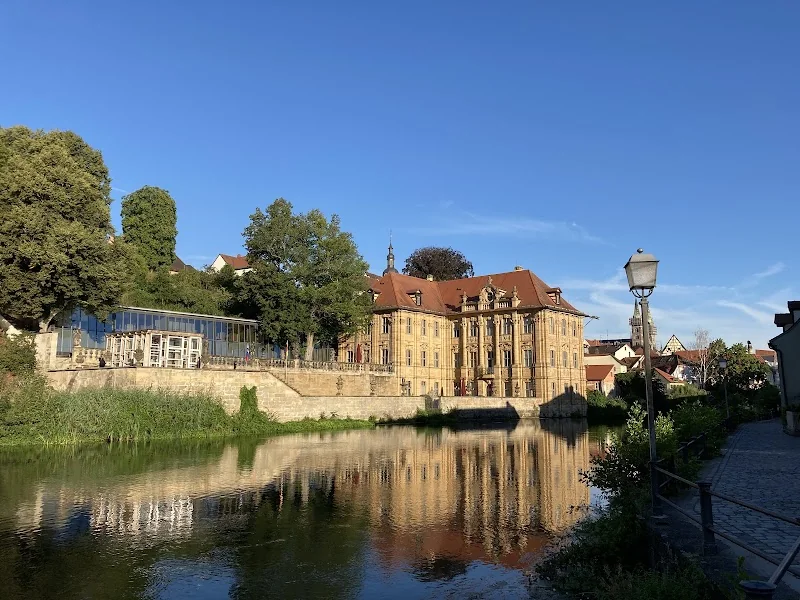
Photos and First Impressions at the Regnitz
On the official website, Villa Concordia is visually very present: main building, event motifs, artist portraits, and archive pages work with many photos, allowing interested parties to get a realistic impression of the architecture and program even before their visit. This is particularly useful for a location like this, as the house cannot be reduced to a single function. It is simultaneously a monument, a place of residence and work, an exhibition space, and a stage for readings or concerts. Photos therefore help not only with the first impression but also in categorizing the atmosphere: Does the place seem rather calm and contemplative, more festive, or more experimental? The visual language of the website answers this question with a mix of baroque facade, river proximity, garden motifs, and documented cultural moments. Those searching for Villa Concordia photos will find not only pretty views but also a visual introduction to the house's self-understanding. At first glance, it is clear that here, the show effects of a large arena do not count, but rather the connection of historical substance and vibrant present. This makes the search for images particularly valuable when planning a visit, preparing a contribution, or simply wanting to know how much atmosphere a baroque artist house can contain. Villa Concordia presents itself in images not as a rigid monument but as a house with changing faces, where architecture and art enter into dialogue. ([villa-concordia.de](https://www.villa-concordia.de/en/house))
Photos are also helpful for social media and discovery formats, as they show the different levels of the place. There are exterior views of the palace, close-ups of the facade, impressions from readings and openings, as well as summer scenes in the garden. This creates an impression of how flexibly Villa Concordia is used. On some days, it seems more like a quiet house by the river, on others like an open forum for literature and music. This change is part of the appeal. Those viewing the images on the official pages also recognize that the artist house does not function as a closed art island but as a place of encounter with the city, the region, and a changing international scholarship program. For the search intent for photos, this means: images here not only provide a preview but also a small narrative about the place itself. They show why Villa Concordia in Bamberg is so often mentioned in one breath with baroque, culture, and contemporary art. For visitors planning their trip, such impressions are particularly valuable as they realistically calibrate expectations regarding the atmosphere, size, and use of the house. ([villa-concordia.de](https://www.villa-concordia.de/en/house))
Directions, Parking, and Opening Hours
The address is Concordiastraße 28, 96049 Bamberg. Those arriving by car should not attempt to park directly in front of the building: the official directions page explicitly states that there is no parking available in front of Villa Concordia; only brief stopping is possible. The underground garage Geyerswörth is recommended. Coming from the A73, the route leads through Bamberg-South, towards the center and hospital, then via Buger Straße, Würzburger Straße, and Kaulberg to Judenstraße, which merges into Concordiastraße. This initially sounds like a small city map puzzle, but in practice, it is easy to follow, as the paths through the old town are clearly described. This is particularly helpful in Bamberg, as historical street layouts and dense urban space make spontaneous parking attempts more difficult. Therefore, those who want to reach Villa Concordia stress-free should consciously plan the last stretch instead of hoping for a parking space in front of the door. From this perspective, it becomes clear that the visit brings a bit of deceleration: one does not simply arrive; one approaches the house step by step through the city. ([villa-concordia.de](https://www.villa-concordia.de/kontakt/))
With the train, the orientation is also clearly described. From the main station, one travels to the central bus station and continues on foot from there. The official route leads over Schönleinsplatz, past the E.T.A. Hoffmann Theater, then over Schillerplatz, across the bridge, and along the Upper Mills and Klosterbräu, before climbing the hill into Concordiastraße. This walk is not only practical but also atmospherically appealing, as it connects parts of the historical Bamberg city center with the location by the Regnitz. It is also important for visitors that the opening hours vary depending on usage: the office is open Monday to Thursday from 8 AM to 12 PM and 1 PM to 3 PM, and Friday from 8 AM to 1 PM. During exhibitions, the exhibition space is accessible on Saturdays and Sundays from 11 AM to 4 PM, and admission is free. At the same time, the contact page points out that the exhibition space is unfortunately not barrier-free. This is a point that should be considered before the visit, especially if one wants to visit the location with children, as part of a guided tour, or with special mobility requirements. ([villa-concordia.de](https://www.villa-concordia.de/kontakt/))
History and Architecture of Villa Concordia
The history of Villa Concordia begins with the baroque building itself. Between 1716 and 1722, a palace was built on the banks of the Regnitz, which is now described as an important monument of baroque architecture and culture. It is the second palace that Ignaz Tobias Böttinger had built in Bamberg; his first house is not far away on Judenstraße and is now connected to the Böttingerhaus art galleries. The origin of the name also contains a guiding principle: Concordia stands for concord and harmony. This idea fits perfectly with the self-understanding of the house, which has been a place for new literature, visual arts, and music since 1998, where artists from different cultures meet, exchange ideas, and develop joint projects temporarily. The location by the water is not just a backdrop but part of the place's effect. The building combines historical dignity with a calm, almost contemplative presence, making it suitable for both artistic work and public encounters. When imagining the architecture, one thinks less of a neutral event center and more of a palace with a cultural biography that is still in use today and has thus remained vibrant. This connection of architectural history and the present makes Villa Concordia so significant for Bamberg. ([villa-concordia.de](https://www.villa-concordia.de/en/house))
Legally and institutionally, Villa Concordia is also clearly anchored. The institution was created by the Free State of Bavaria to promote the arts, deepen cultural relations with other states, and contribute to cultural life in Bamberg and the region. The official order came into effect on October 1, 1997, and describes Villa Concordia as a non-independent institution under public law under state supervision. It fits that the official website emphasizes that the institution was endowed by the Free State of Bavaria and is managed under the responsibility of the Bavarian State Ministry for Science and Art. In this context, the house is not a private event operation but a culturally politically desired place of exchange. This also explains why Villa Concordia does not only work internally but also radiates far beyond its own address. In addition to the main building, the second residence Neuer Ebracher Hof is also part of the organizational environment of the artist house's work, and even the architecture is read as part of a larger Bamberg story. Therefore, when visiting the place, one does not simply move in a pretty building but in an institutionally and historically deeply anchored cultural space that has been continually filled with content for over two decades. ([villa-concordia.de](https://www.villa-concordia.de/fileadmin/user_upload/pdf/statuten_01.pdf))
Scholarships, Artists in the House
The scholarship model is at the center. Every year, twelve or more artists from Germany and another country are selected to live and work as fellows of Villa Concordia in Bamberg. Stays usually last five or eleven months; according to the current house page, the cohorts for 2026 are from the Czech Republic and Germany and will arrive in April and October, respectively. Selection is not made through an open application but by invitation and through an independent curatorial board or board of curators or trustees. This is important for search queries regarding applications, scholarships, or reviews: those visiting the house encounter a work and residency structure in which already successfully established artists are supported, not an open casting. Villa Concordia thus brings together literature, music, and visual arts and creates an environment where focused work and public visibility coexist. This is also reflected in the profiles of the current scholarship holders, which range from writers to composers to visual artists. This is attractive for the public because one does not only see an exhibition but often also experiences people who are currently working on their current projects or presenting them as part of events. The character as an artist house remains palpable: the conversations, readings, and performances are often directly connected to the ongoing stays. This creates an open but not arbitrary cultural space that appeals to local visitors as well as people from other regions. ([villa-concordia.de](https://www.villa-concordia.de/en/artists/in-residence))
The international component is more than just a buzzword. According to the official description, each group of scholarship holders also includes members from a guest country, thereby consciously promoting the exchange between different cultural and artistic perspectives. The website makes it clear that the fellows can work in a calm, undisturbed atmosphere, and that the stay consists not only of living in the house but also of a dialogical relationship with the city. The combination of spatial continuity and temporal limitation is crucial here. An artist house designed for several months creates a different dynamic than a short-term exhibition space. Longer working phases, new networks, and a closer connection to Bamberg emerge. For visitors, this means that each season looks a little different. One does not come into a static program but into a house that changes with the people who live there. Therefore, those visiting Villa Concordia always get an insight into a process: art in the making, literature in development, music in the working stage. This processuality is an essential part of the charm and explains why the artist house is so much more for culture enthusiasts than just a beautiful photo spot. ([villa-concordia.de](https://www.villa-concordia.de/en/artists/in-residence))
Events, Exhibitions, and Admission
The event profile is one of the strongest arguments for Villa Concordia. Bamberg Tourism speaks of around 80 events of modern arts per year, which usually welcome the public with free admission. The official FAQ page confirms that almost all events are free and no prior registration is required. The program content ranges from readings and artist talks to concerts, openings, and guided tours. This mix makes the place interesting for people looking for current events, programs, exhibitions, or concerts: Villa Concordia is not limited to a single genre but continuously connects the three core areas of literature, music, and visual arts. Particularly practical is that the exhibition space is also open on weekends during exhibitions, providing visiting windows without strict scheduling. Additionally, there are formats that consciously remain low-threshold and promote encounters between the audience and scholarship holders. The website and event calendar show that many program points are directly linked to the respective stays, creating a close relationship between artistic work and public presentation. This is pleasant for visitors because they not only see finished results but also learn about the context of their creation. ([bamberg.info](https://www.bamberg.info/poi/internationales_kuenstlerhaus-4660/))
A look at the current event page also shows how versatile the house is used. There are readings, presentation evenings, exhibitions, discussions, guided tours, and also collaborations with external partners. Particularly illustrative is the note on events that are explicitly planned to take place outside in the garden in good weather, such as during the summer festival. This shows that Villa Concordia is not only an indoor cultural stage but also an outdoor one. The garden is not just decoration but is explicitly included in the program for suitable occasions. For visitors, this is an important note, as it makes the location seasonally and weather-dependent. Therefore, those interested in an event should not only check the date but also read the notes about the location, outdoor use, and admission situation. Furthermore, the official FAQ points out that the house is generally not available for private or public rental. The programming remains clearly focused on the fellows and their artistic environment. For the audience, this is precisely what is appealing: Villa Concordia is not an arbitrary event space but a house with curated content, where the events arise from the inner life of the institution. ([villa-concordia.de](https://www.villa-concordia.de/aktuelles/veranstaltungen))
Reviews, Weather, and Visiting Tips
Those looking for reviews should consider Villa Concordia with the expectation of a calm, atmospheric cultural house and not as a large event center. The official presentation clearly emphasizes the program, history, tours, and practical visitor information; a separate rating logic does not play a role on the website. Therefore, other signals are more helpful for visitors: the location by the river, the baroque building, free admission for many formats, and the very limited parking options. Weather can also influence the visit, as some formats take place outside in the garden in good weather, and daylight is an advantage for photos by the Regnitz. Those visiting Villa Concordia in summer often experience an open, airy atmosphere; in cooler months, the house seems even more like a quiet retreat for art and literature. Because parking is not available on-site, arriving on foot, by bus, or via the nearby underground garage is usually less stressful than a spontaneous drive right to the door. And since the exhibition space is not barrier-free, it is worthwhile to take a quick look at the current information in advance if mobility is a concern. Overall, the best visiting strategy is simple: align the date with the program, consider the weather situation, pay attention to the opening hours, and understand the house as a living residence rather than just a mere sight. Only then does Villa Concordia unfold its special effect between calm, proximity, and artistic presence. ([villa-concordia.de](https://www.villa-concordia.de/en/contact/frequently-asked-questions))
For the classification of reviews, it is also important to note that Villa Concordia is not a normal exhibition operation with permanently identical use. The house changes with each scholarship year, each guest country, and each new program. This means that personal impressions can vary greatly, depending on whether someone has experienced a reading, an exhibition, a garden evening, or a guided tour. This diversity is not a weakness but part of the concept. When reviews speak of calm, historical atmosphere, or special closeness to art, this fits well with the institution's self-understanding. If other comments point out the lack of parking or the non-barrier-free exhibition space, this is also understandable and corresponds to the official notices. Weather plays a role especially when events or image motifs take place outside, as the river location and the garden make sunny days particularly attractive. Therefore, those planning a visit should read the reviews more as a supplement to the official information. This creates a balanced picture: Villa Concordia is not a location for arbitrary spontaneity but a consciously designed cultural place where art, location, and season interact. This is precisely why a look at the program, weather, and practical tips before the visit is particularly worthwhile. ([villa-concordia.de](https://www.villa-concordia.de/en/contact/frequently-asked-questions))
Sources:
- International Artist House Villa Concordia - Official Website
- International Artist House Villa Concordia - House
- International Artist House Villa Concordia - Frequently Asked Questions
- International Artist House Villa Concordia - Directions and Parking
- Bamberg Tourism - International Artist House Villa Concordia
- Statutes of the International Artist House Villa Concordia
Mehr anzeigenWeniger anzeigen
International Artist House Villa Concordia | Photos & Directions
The International Artist House Villa Concordia is much more than a beautiful address by the water in Bamberg. It is a place where baroque architecture, contemporary art production, and public cultural mediation intertwine. Those looking for photos, reviews, opening hours, or the best way to get there quickly realize that this place does not function like a classic event location. Villa Concordia is both a palace, a workspace, a scholarship house, and a stage for literature, music, and visual arts. Since 1998, new artistic works have been created here, which are regularly presented to the public through various events. Every year, selected scholarship holders from Germany and a guest country live and work here for several months in a quiet environment, while the public can participate in exhibitions, readings, concerts, and guided tours. This mix of historical substance, open cultural work, and concentrated working atmosphere makes Villa Concordia in Bamberg so exciting for visitors. Those who want to understand the place better should not only see it as a sight but as a living institution. The following sections show what images shape the house, how to get there, the history behind the baroque building, and why a look at the current program is almost always worthwhile. ([villa-concordia.de](https://www.villa-concordia.de/en/house))
Photos and First Impressions at the Regnitz
On the official website, Villa Concordia is visually very present: main building, event motifs, artist portraits, and archive pages work with many photos, allowing interested parties to get a realistic impression of the architecture and program even before their visit. This is particularly useful for a location like this, as the house cannot be reduced to a single function. It is simultaneously a monument, a place of residence and work, an exhibition space, and a stage for readings or concerts. Photos therefore help not only with the first impression but also in categorizing the atmosphere: Does the place seem rather calm and contemplative, more festive, or more experimental? The visual language of the website answers this question with a mix of baroque facade, river proximity, garden motifs, and documented cultural moments. Those searching for Villa Concordia photos will find not only pretty views but also a visual introduction to the house's self-understanding. At first glance, it is clear that here, the show effects of a large arena do not count, but rather the connection of historical substance and vibrant present. This makes the search for images particularly valuable when planning a visit, preparing a contribution, or simply wanting to know how much atmosphere a baroque artist house can contain. Villa Concordia presents itself in images not as a rigid monument but as a house with changing faces, where architecture and art enter into dialogue. ([villa-concordia.de](https://www.villa-concordia.de/en/house))
Photos are also helpful for social media and discovery formats, as they show the different levels of the place. There are exterior views of the palace, close-ups of the facade, impressions from readings and openings, as well as summer scenes in the garden. This creates an impression of how flexibly Villa Concordia is used. On some days, it seems more like a quiet house by the river, on others like an open forum for literature and music. This change is part of the appeal. Those viewing the images on the official pages also recognize that the artist house does not function as a closed art island but as a place of encounter with the city, the region, and a changing international scholarship program. For the search intent for photos, this means: images here not only provide a preview but also a small narrative about the place itself. They show why Villa Concordia in Bamberg is so often mentioned in one breath with baroque, culture, and contemporary art. For visitors planning their trip, such impressions are particularly valuable as they realistically calibrate expectations regarding the atmosphere, size, and use of the house. ([villa-concordia.de](https://www.villa-concordia.de/en/house))
Directions, Parking, and Opening Hours
The address is Concordiastraße 28, 96049 Bamberg. Those arriving by car should not attempt to park directly in front of the building: the official directions page explicitly states that there is no parking available in front of Villa Concordia; only brief stopping is possible. The underground garage Geyerswörth is recommended. Coming from the A73, the route leads through Bamberg-South, towards the center and hospital, then via Buger Straße, Würzburger Straße, and Kaulberg to Judenstraße, which merges into Concordiastraße. This initially sounds like a small city map puzzle, but in practice, it is easy to follow, as the paths through the old town are clearly described. This is particularly helpful in Bamberg, as historical street layouts and dense urban space make spontaneous parking attempts more difficult. Therefore, those who want to reach Villa Concordia stress-free should consciously plan the last stretch instead of hoping for a parking space in front of the door. From this perspective, it becomes clear that the visit brings a bit of deceleration: one does not simply arrive; one approaches the house step by step through the city. ([villa-concordia.de](https://www.villa-concordia.de/kontakt/))
With the train, the orientation is also clearly described. From the main station, one travels to the central bus station and continues on foot from there. The official route leads over Schönleinsplatz, past the E.T.A. Hoffmann Theater, then over Schillerplatz, across the bridge, and along the Upper Mills and Klosterbräu, before climbing the hill into Concordiastraße. This walk is not only practical but also atmospherically appealing, as it connects parts of the historical Bamberg city center with the location by the Regnitz. It is also important for visitors that the opening hours vary depending on usage: the office is open Monday to Thursday from 8 AM to 12 PM and 1 PM to 3 PM, and Friday from 8 AM to 1 PM. During exhibitions, the exhibition space is accessible on Saturdays and Sundays from 11 AM to 4 PM, and admission is free. At the same time, the contact page points out that the exhibition space is unfortunately not barrier-free. This is a point that should be considered before the visit, especially if one wants to visit the location with children, as part of a guided tour, or with special mobility requirements. ([villa-concordia.de](https://www.villa-concordia.de/kontakt/))
History and Architecture of Villa Concordia
The history of Villa Concordia begins with the baroque building itself. Between 1716 and 1722, a palace was built on the banks of the Regnitz, which is now described as an important monument of baroque architecture and culture. It is the second palace that Ignaz Tobias Böttinger had built in Bamberg; his first house is not far away on Judenstraße and is now connected to the Böttingerhaus art galleries. The origin of the name also contains a guiding principle: Concordia stands for concord and harmony. This idea fits perfectly with the self-understanding of the house, which has been a place for new literature, visual arts, and music since 1998, where artists from different cultures meet, exchange ideas, and develop joint projects temporarily. The location by the water is not just a backdrop but part of the place's effect. The building combines historical dignity with a calm, almost contemplative presence, making it suitable for both artistic work and public encounters. When imagining the architecture, one thinks less of a neutral event center and more of a palace with a cultural biography that is still in use today and has thus remained vibrant. This connection of architectural history and the present makes Villa Concordia so significant for Bamberg. ([villa-concordia.de](https://www.villa-concordia.de/en/house))
Legally and institutionally, Villa Concordia is also clearly anchored. The institution was created by the Free State of Bavaria to promote the arts, deepen cultural relations with other states, and contribute to cultural life in Bamberg and the region. The official order came into effect on October 1, 1997, and describes Villa Concordia as a non-independent institution under public law under state supervision. It fits that the official website emphasizes that the institution was endowed by the Free State of Bavaria and is managed under the responsibility of the Bavarian State Ministry for Science and Art. In this context, the house is not a private event operation but a culturally politically desired place of exchange. This also explains why Villa Concordia does not only work internally but also radiates far beyond its own address. In addition to the main building, the second residence Neuer Ebracher Hof is also part of the organizational environment of the artist house's work, and even the architecture is read as part of a larger Bamberg story. Therefore, when visiting the place, one does not simply move in a pretty building but in an institutionally and historically deeply anchored cultural space that has been continually filled with content for over two decades. ([villa-concordia.de](https://www.villa-concordia.de/fileadmin/user_upload/pdf/statuten_01.pdf))
Scholarships, Artists in the House
The scholarship model is at the center. Every year, twelve or more artists from Germany and another country are selected to live and work as fellows of Villa Concordia in Bamberg. Stays usually last five or eleven months; according to the current house page, the cohorts for 2026 are from the Czech Republic and Germany and will arrive in April and October, respectively. Selection is not made through an open application but by invitation and through an independent curatorial board or board of curators or trustees. This is important for search queries regarding applications, scholarships, or reviews: those visiting the house encounter a work and residency structure in which already successfully established artists are supported, not an open casting. Villa Concordia thus brings together literature, music, and visual arts and creates an environment where focused work and public visibility coexist. This is also reflected in the profiles of the current scholarship holders, which range from writers to composers to visual artists. This is attractive for the public because one does not only see an exhibition but often also experiences people who are currently working on their current projects or presenting them as part of events. The character as an artist house remains palpable: the conversations, readings, and performances are often directly connected to the ongoing stays. This creates an open but not arbitrary cultural space that appeals to local visitors as well as people from other regions. ([villa-concordia.de](https://www.villa-concordia.de/en/artists/in-residence))
The international component is more than just a buzzword. According to the official description, each group of scholarship holders also includes members from a guest country, thereby consciously promoting the exchange between different cultural and artistic perspectives. The website makes it clear that the fellows can work in a calm, undisturbed atmosphere, and that the stay consists not only of living in the house but also of a dialogical relationship with the city. The combination of spatial continuity and temporal limitation is crucial here. An artist house designed for several months creates a different dynamic than a short-term exhibition space. Longer working phases, new networks, and a closer connection to Bamberg emerge. For visitors, this means that each season looks a little different. One does not come into a static program but into a house that changes with the people who live there. Therefore, those visiting Villa Concordia always get an insight into a process: art in the making, literature in development, music in the working stage. This processuality is an essential part of the charm and explains why the artist house is so much more for culture enthusiasts than just a beautiful photo spot. ([villa-concordia.de](https://www.villa-concordia.de/en/artists/in-residence))
Events, Exhibitions, and Admission
The event profile is one of the strongest arguments for Villa Concordia. Bamberg Tourism speaks of around 80 events of modern arts per year, which usually welcome the public with free admission. The official FAQ page confirms that almost all events are free and no prior registration is required. The program content ranges from readings and artist talks to concerts, openings, and guided tours. This mix makes the place interesting for people looking for current events, programs, exhibitions, or concerts: Villa Concordia is not limited to a single genre but continuously connects the three core areas of literature, music, and visual arts. Particularly practical is that the exhibition space is also open on weekends during exhibitions, providing visiting windows without strict scheduling. Additionally, there are formats that consciously remain low-threshold and promote encounters between the audience and scholarship holders. The website and event calendar show that many program points are directly linked to the respective stays, creating a close relationship between artistic work and public presentation. This is pleasant for visitors because they not only see finished results but also learn about the context of their creation. ([bamberg.info](https://www.bamberg.info/poi/internationales_kuenstlerhaus-4660/))
A look at the current event page also shows how versatile the house is used. There are readings, presentation evenings, exhibitions, discussions, guided tours, and also collaborations with external partners. Particularly illustrative is the note on events that are explicitly planned to take place outside in the garden in good weather, such as during the summer festival. This shows that Villa Concordia is not only an indoor cultural stage but also an outdoor one. The garden is not just decoration but is explicitly included in the program for suitable occasions. For visitors, this is an important note, as it makes the location seasonally and weather-dependent. Therefore, those interested in an event should not only check the date but also read the notes about the location, outdoor use, and admission situation. Furthermore, the official FAQ points out that the house is generally not available for private or public rental. The programming remains clearly focused on the fellows and their artistic environment. For the audience, this is precisely what is appealing: Villa Concordia is not an arbitrary event space but a house with curated content, where the events arise from the inner life of the institution. ([villa-concordia.de](https://www.villa-concordia.de/aktuelles/veranstaltungen))
Reviews, Weather, and Visiting Tips
Those looking for reviews should consider Villa Concordia with the expectation of a calm, atmospheric cultural house and not as a large event center. The official presentation clearly emphasizes the program, history, tours, and practical visitor information; a separate rating logic does not play a role on the website. Therefore, other signals are more helpful for visitors: the location by the river, the baroque building, free admission for many formats, and the very limited parking options. Weather can also influence the visit, as some formats take place outside in the garden in good weather, and daylight is an advantage for photos by the Regnitz. Those visiting Villa Concordia in summer often experience an open, airy atmosphere; in cooler months, the house seems even more like a quiet retreat for art and literature. Because parking is not available on-site, arriving on foot, by bus, or via the nearby underground garage is usually less stressful than a spontaneous drive right to the door. And since the exhibition space is not barrier-free, it is worthwhile to take a quick look at the current information in advance if mobility is a concern. Overall, the best visiting strategy is simple: align the date with the program, consider the weather situation, pay attention to the opening hours, and understand the house as a living residence rather than just a mere sight. Only then does Villa Concordia unfold its special effect between calm, proximity, and artistic presence. ([villa-concordia.de](https://www.villa-concordia.de/en/contact/frequently-asked-questions))
For the classification of reviews, it is also important to note that Villa Concordia is not a normal exhibition operation with permanently identical use. The house changes with each scholarship year, each guest country, and each new program. This means that personal impressions can vary greatly, depending on whether someone has experienced a reading, an exhibition, a garden evening, or a guided tour. This diversity is not a weakness but part of the concept. When reviews speak of calm, historical atmosphere, or special closeness to art, this fits well with the institution's self-understanding. If other comments point out the lack of parking or the non-barrier-free exhibition space, this is also understandable and corresponds to the official notices. Weather plays a role especially when events or image motifs take place outside, as the river location and the garden make sunny days particularly attractive. Therefore, those planning a visit should read the reviews more as a supplement to the official information. This creates a balanced picture: Villa Concordia is not a location for arbitrary spontaneity but a consciously designed cultural place where art, location, and season interact. This is precisely why a look at the program, weather, and practical tips before the visit is particularly worthwhile. ([villa-concordia.de](https://www.villa-concordia.de/en/contact/frequently-asked-questions))
Sources:
- International Artist House Villa Concordia - Official Website
- International Artist House Villa Concordia - House
- International Artist House Villa Concordia - Frequently Asked Questions
- International Artist House Villa Concordia - Directions and Parking
- Bamberg Tourism - International Artist House Villa Concordia
- Statutes of the International Artist House Villa Concordia
International Artist House Villa Concordia | Photos & Directions
The International Artist House Villa Concordia is much more than a beautiful address by the water in Bamberg. It is a place where baroque architecture, contemporary art production, and public cultural mediation intertwine. Those looking for photos, reviews, opening hours, or the best way to get there quickly realize that this place does not function like a classic event location. Villa Concordia is both a palace, a workspace, a scholarship house, and a stage for literature, music, and visual arts. Since 1998, new artistic works have been created here, which are regularly presented to the public through various events. Every year, selected scholarship holders from Germany and a guest country live and work here for several months in a quiet environment, while the public can participate in exhibitions, readings, concerts, and guided tours. This mix of historical substance, open cultural work, and concentrated working atmosphere makes Villa Concordia in Bamberg so exciting for visitors. Those who want to understand the place better should not only see it as a sight but as a living institution. The following sections show what images shape the house, how to get there, the history behind the baroque building, and why a look at the current program is almost always worthwhile. ([villa-concordia.de](https://www.villa-concordia.de/en/house))
Photos and First Impressions at the Regnitz
On the official website, Villa Concordia is visually very present: main building, event motifs, artist portraits, and archive pages work with many photos, allowing interested parties to get a realistic impression of the architecture and program even before their visit. This is particularly useful for a location like this, as the house cannot be reduced to a single function. It is simultaneously a monument, a place of residence and work, an exhibition space, and a stage for readings or concerts. Photos therefore help not only with the first impression but also in categorizing the atmosphere: Does the place seem rather calm and contemplative, more festive, or more experimental? The visual language of the website answers this question with a mix of baroque facade, river proximity, garden motifs, and documented cultural moments. Those searching for Villa Concordia photos will find not only pretty views but also a visual introduction to the house's self-understanding. At first glance, it is clear that here, the show effects of a large arena do not count, but rather the connection of historical substance and vibrant present. This makes the search for images particularly valuable when planning a visit, preparing a contribution, or simply wanting to know how much atmosphere a baroque artist house can contain. Villa Concordia presents itself in images not as a rigid monument but as a house with changing faces, where architecture and art enter into dialogue. ([villa-concordia.de](https://www.villa-concordia.de/en/house))
Photos are also helpful for social media and discovery formats, as they show the different levels of the place. There are exterior views of the palace, close-ups of the facade, impressions from readings and openings, as well as summer scenes in the garden. This creates an impression of how flexibly Villa Concordia is used. On some days, it seems more like a quiet house by the river, on others like an open forum for literature and music. This change is part of the appeal. Those viewing the images on the official pages also recognize that the artist house does not function as a closed art island but as a place of encounter with the city, the region, and a changing international scholarship program. For the search intent for photos, this means: images here not only provide a preview but also a small narrative about the place itself. They show why Villa Concordia in Bamberg is so often mentioned in one breath with baroque, culture, and contemporary art. For visitors planning their trip, such impressions are particularly valuable as they realistically calibrate expectations regarding the atmosphere, size, and use of the house. ([villa-concordia.de](https://www.villa-concordia.de/en/house))
Directions, Parking, and Opening Hours
The address is Concordiastraße 28, 96049 Bamberg. Those arriving by car should not attempt to park directly in front of the building: the official directions page explicitly states that there is no parking available in front of Villa Concordia; only brief stopping is possible. The underground garage Geyerswörth is recommended. Coming from the A73, the route leads through Bamberg-South, towards the center and hospital, then via Buger Straße, Würzburger Straße, and Kaulberg to Judenstraße, which merges into Concordiastraße. This initially sounds like a small city map puzzle, but in practice, it is easy to follow, as the paths through the old town are clearly described. This is particularly helpful in Bamberg, as historical street layouts and dense urban space make spontaneous parking attempts more difficult. Therefore, those who want to reach Villa Concordia stress-free should consciously plan the last stretch instead of hoping for a parking space in front of the door. From this perspective, it becomes clear that the visit brings a bit of deceleration: one does not simply arrive; one approaches the house step by step through the city. ([villa-concordia.de](https://www.villa-concordia.de/kontakt/))
With the train, the orientation is also clearly described. From the main station, one travels to the central bus station and continues on foot from there. The official route leads over Schönleinsplatz, past the E.T.A. Hoffmann Theater, then over Schillerplatz, across the bridge, and along the Upper Mills and Klosterbräu, before climbing the hill into Concordiastraße. This walk is not only practical but also atmospherically appealing, as it connects parts of the historical Bamberg city center with the location by the Regnitz. It is also important for visitors that the opening hours vary depending on usage: the office is open Monday to Thursday from 8 AM to 12 PM and 1 PM to 3 PM, and Friday from 8 AM to 1 PM. During exhibitions, the exhibition space is accessible on Saturdays and Sundays from 11 AM to 4 PM, and admission is free. At the same time, the contact page points out that the exhibition space is unfortunately not barrier-free. This is a point that should be considered before the visit, especially if one wants to visit the location with children, as part of a guided tour, or with special mobility requirements. ([villa-concordia.de](https://www.villa-concordia.de/kontakt/))
History and Architecture of Villa Concordia
The history of Villa Concordia begins with the baroque building itself. Between 1716 and 1722, a palace was built on the banks of the Regnitz, which is now described as an important monument of baroque architecture and culture. It is the second palace that Ignaz Tobias Böttinger had built in Bamberg; his first house is not far away on Judenstraße and is now connected to the Böttingerhaus art galleries. The origin of the name also contains a guiding principle: Concordia stands for concord and harmony. This idea fits perfectly with the self-understanding of the house, which has been a place for new literature, visual arts, and music since 1998, where artists from different cultures meet, exchange ideas, and develop joint projects temporarily. The location by the water is not just a backdrop but part of the place's effect. The building combines historical dignity with a calm, almost contemplative presence, making it suitable for both artistic work and public encounters. When imagining the architecture, one thinks less of a neutral event center and more of a palace with a cultural biography that is still in use today and has thus remained vibrant. This connection of architectural history and the present makes Villa Concordia so significant for Bamberg. ([villa-concordia.de](https://www.villa-concordia.de/en/house))
Legally and institutionally, Villa Concordia is also clearly anchored. The institution was created by the Free State of Bavaria to promote the arts, deepen cultural relations with other states, and contribute to cultural life in Bamberg and the region. The official order came into effect on October 1, 1997, and describes Villa Concordia as a non-independent institution under public law under state supervision. It fits that the official website emphasizes that the institution was endowed by the Free State of Bavaria and is managed under the responsibility of the Bavarian State Ministry for Science and Art. In this context, the house is not a private event operation but a culturally politically desired place of exchange. This also explains why Villa Concordia does not only work internally but also radiates far beyond its own address. In addition to the main building, the second residence Neuer Ebracher Hof is also part of the organizational environment of the artist house's work, and even the architecture is read as part of a larger Bamberg story. Therefore, when visiting the place, one does not simply move in a pretty building but in an institutionally and historically deeply anchored cultural space that has been continually filled with content for over two decades. ([villa-concordia.de](https://www.villa-concordia.de/fileadmin/user_upload/pdf/statuten_01.pdf))
Scholarships, Artists in the House
The scholarship model is at the center. Every year, twelve or more artists from Germany and another country are selected to live and work as fellows of Villa Concordia in Bamberg. Stays usually last five or eleven months; according to the current house page, the cohorts for 2026 are from the Czech Republic and Germany and will arrive in April and October, respectively. Selection is not made through an open application but by invitation and through an independent curatorial board or board of curators or trustees. This is important for search queries regarding applications, scholarships, or reviews: those visiting the house encounter a work and residency structure in which already successfully established artists are supported, not an open casting. Villa Concordia thus brings together literature, music, and visual arts and creates an environment where focused work and public visibility coexist. This is also reflected in the profiles of the current scholarship holders, which range from writers to composers to visual artists. This is attractive for the public because one does not only see an exhibition but often also experiences people who are currently working on their current projects or presenting them as part of events. The character as an artist house remains palpable: the conversations, readings, and performances are often directly connected to the ongoing stays. This creates an open but not arbitrary cultural space that appeals to local visitors as well as people from other regions. ([villa-concordia.de](https://www.villa-concordia.de/en/artists/in-residence))
The international component is more than just a buzzword. According to the official description, each group of scholarship holders also includes members from a guest country, thereby consciously promoting the exchange between different cultural and artistic perspectives. The website makes it clear that the fellows can work in a calm, undisturbed atmosphere, and that the stay consists not only of living in the house but also of a dialogical relationship with the city. The combination of spatial continuity and temporal limitation is crucial here. An artist house designed for several months creates a different dynamic than a short-term exhibition space. Longer working phases, new networks, and a closer connection to Bamberg emerge. For visitors, this means that each season looks a little different. One does not come into a static program but into a house that changes with the people who live there. Therefore, those visiting Villa Concordia always get an insight into a process: art in the making, literature in development, music in the working stage. This processuality is an essential part of the charm and explains why the artist house is so much more for culture enthusiasts than just a beautiful photo spot. ([villa-concordia.de](https://www.villa-concordia.de/en/artists/in-residence))
Events, Exhibitions, and Admission
The event profile is one of the strongest arguments for Villa Concordia. Bamberg Tourism speaks of around 80 events of modern arts per year, which usually welcome the public with free admission. The official FAQ page confirms that almost all events are free and no prior registration is required. The program content ranges from readings and artist talks to concerts, openings, and guided tours. This mix makes the place interesting for people looking for current events, programs, exhibitions, or concerts: Villa Concordia is not limited to a single genre but continuously connects the three core areas of literature, music, and visual arts. Particularly practical is that the exhibition space is also open on weekends during exhibitions, providing visiting windows without strict scheduling. Additionally, there are formats that consciously remain low-threshold and promote encounters between the audience and scholarship holders. The website and event calendar show that many program points are directly linked to the respective stays, creating a close relationship between artistic work and public presentation. This is pleasant for visitors because they not only see finished results but also learn about the context of their creation. ([bamberg.info](https://www.bamberg.info/poi/internationales_kuenstlerhaus-4660/))
A look at the current event page also shows how versatile the house is used. There are readings, presentation evenings, exhibitions, discussions, guided tours, and also collaborations with external partners. Particularly illustrative is the note on events that are explicitly planned to take place outside in the garden in good weather, such as during the summer festival. This shows that Villa Concordia is not only an indoor cultural stage but also an outdoor one. The garden is not just decoration but is explicitly included in the program for suitable occasions. For visitors, this is an important note, as it makes the location seasonally and weather-dependent. Therefore, those interested in an event should not only check the date but also read the notes about the location, outdoor use, and admission situation. Furthermore, the official FAQ points out that the house is generally not available for private or public rental. The programming remains clearly focused on the fellows and their artistic environment. For the audience, this is precisely what is appealing: Villa Concordia is not an arbitrary event space but a house with curated content, where the events arise from the inner life of the institution. ([villa-concordia.de](https://www.villa-concordia.de/aktuelles/veranstaltungen))
Reviews, Weather, and Visiting Tips
Those looking for reviews should consider Villa Concordia with the expectation of a calm, atmospheric cultural house and not as a large event center. The official presentation clearly emphasizes the program, history, tours, and practical visitor information; a separate rating logic does not play a role on the website. Therefore, other signals are more helpful for visitors: the location by the river, the baroque building, free admission for many formats, and the very limited parking options. Weather can also influence the visit, as some formats take place outside in the garden in good weather, and daylight is an advantage for photos by the Regnitz. Those visiting Villa Concordia in summer often experience an open, airy atmosphere; in cooler months, the house seems even more like a quiet retreat for art and literature. Because parking is not available on-site, arriving on foot, by bus, or via the nearby underground garage is usually less stressful than a spontaneous drive right to the door. And since the exhibition space is not barrier-free, it is worthwhile to take a quick look at the current information in advance if mobility is a concern. Overall, the best visiting strategy is simple: align the date with the program, consider the weather situation, pay attention to the opening hours, and understand the house as a living residence rather than just a mere sight. Only then does Villa Concordia unfold its special effect between calm, proximity, and artistic presence. ([villa-concordia.de](https://www.villa-concordia.de/en/contact/frequently-asked-questions))
For the classification of reviews, it is also important to note that Villa Concordia is not a normal exhibition operation with permanently identical use. The house changes with each scholarship year, each guest country, and each new program. This means that personal impressions can vary greatly, depending on whether someone has experienced a reading, an exhibition, a garden evening, or a guided tour. This diversity is not a weakness but part of the concept. When reviews speak of calm, historical atmosphere, or special closeness to art, this fits well with the institution's self-understanding. If other comments point out the lack of parking or the non-barrier-free exhibition space, this is also understandable and corresponds to the official notices. Weather plays a role especially when events or image motifs take place outside, as the river location and the garden make sunny days particularly attractive. Therefore, those planning a visit should read the reviews more as a supplement to the official information. This creates a balanced picture: Villa Concordia is not a location for arbitrary spontaneity but a consciously designed cultural place where art, location, and season interact. This is precisely why a look at the program, weather, and practical tips before the visit is particularly worthwhile. ([villa-concordia.de](https://www.villa-concordia.de/en/contact/frequently-asked-questions))
Sources:
- International Artist House Villa Concordia - Official Website
- International Artist House Villa Concordia - House
- International Artist House Villa Concordia - Frequently Asked Questions
- International Artist House Villa Concordia - Directions and Parking
- Bamberg Tourism - International Artist House Villa Concordia
- Statutes of the International Artist House Villa Concordia
Upcoming Events
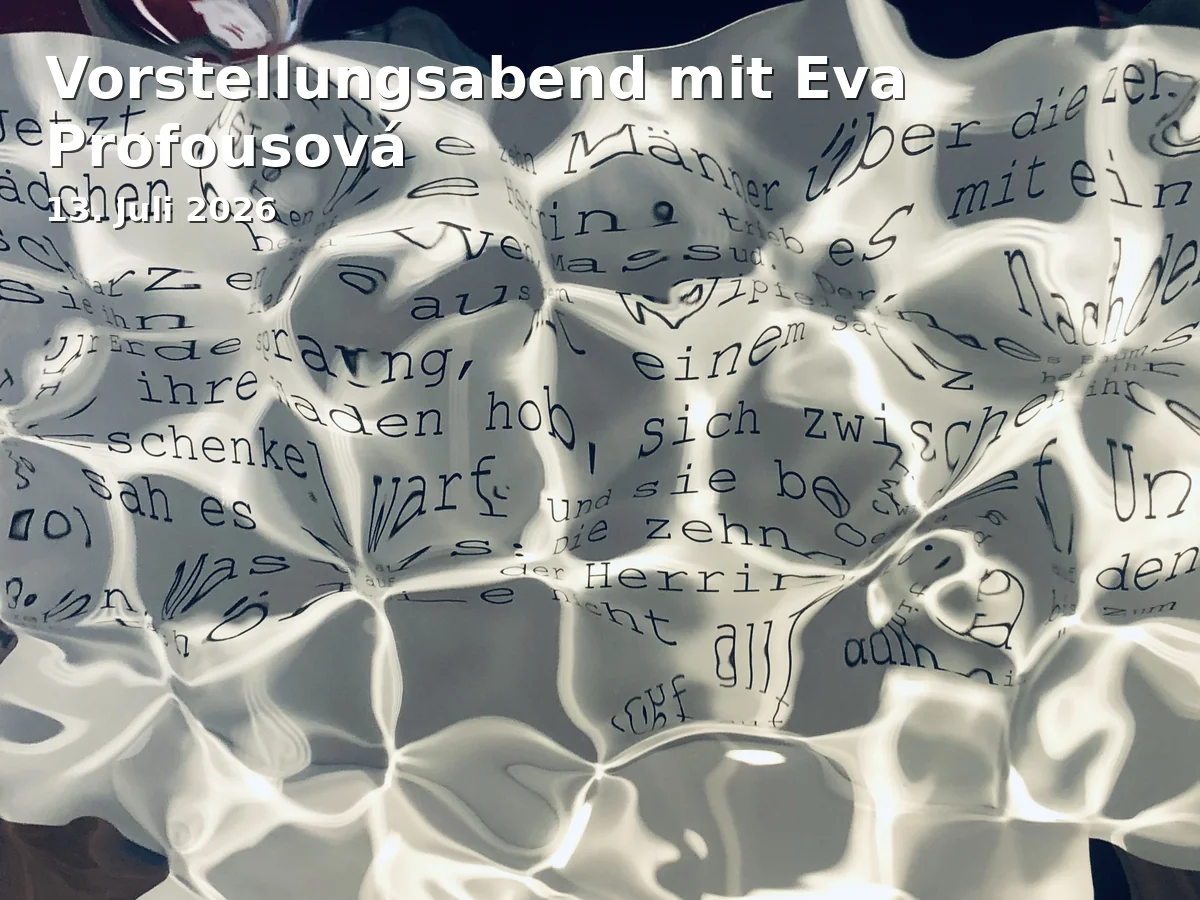
Presentation Evening with Eva Profousová
Discover translations from Czech with Eva Profousová and Carsten Hueck on July 13, 2026.
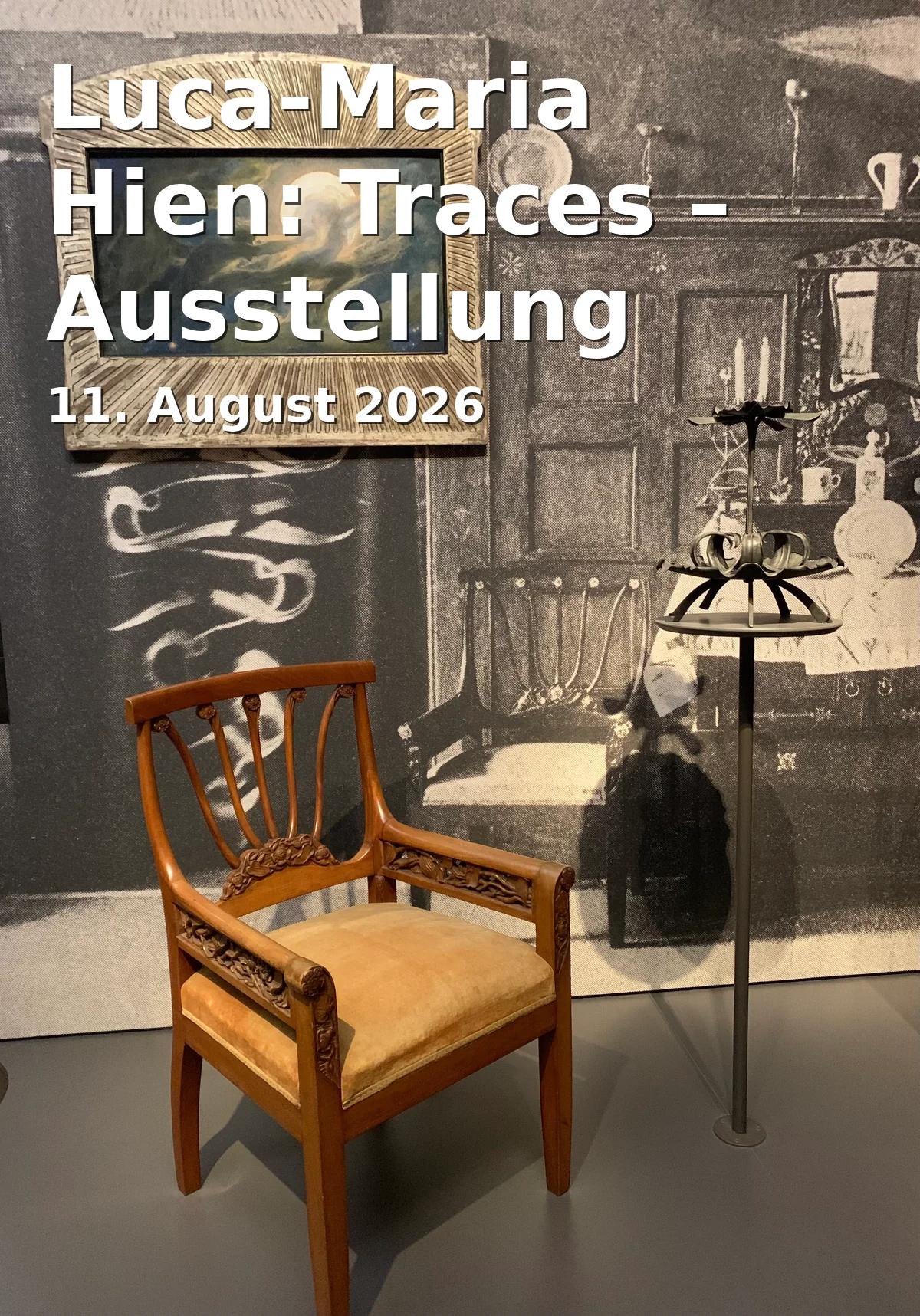
Luca-Maria Hien: Traces – Exhibition
Dive into the fascinating art world of Luca-Maria Hien in Bamberg. An exhibition full of inspiration and discoveries.
Frequently Asked Questions
Reviews
Jay Mallory
25. July 2019
Stunning historical part of Bamberg. Beautiful gardens and building.
micky chancer
21. November 2023
Yawn....What a strange place. Yesterday was 'open door day'. I went, hoping to see more of this beautiful building and maybe some rooms with artwork. Was met in the entrance by a fairly disinterested person who, after I asked, said there was a lecture going on or 'through that room is the exhibition'. Through that room was the coat hanging space, no helpful signs or people. Tried various locked doors, up the staircase to offices, up the next flight and, yeah, pictures!!! Very much my taste but no information and only about 10. More locked doors. Down again where the door to the workshops was locked. They weren't open till later, said the man, although I came especially at the times written in the newspaper. Totally disappointed and saddened that this place is so underused and poorly presented.
Flavio Pimentel
10. August 2022
Stunning building near the canal! 🤩
Dee H
16. August 2019
A lovely place to visit to see the works of local and international artists.
Art Stoop
22. July 2018
Fantastic location for a nice evening of music and fine art.