
Bamberg
Dompl., 96049 Bamberg, Deutschland
Cathedral Square Bamberg | Events & Access
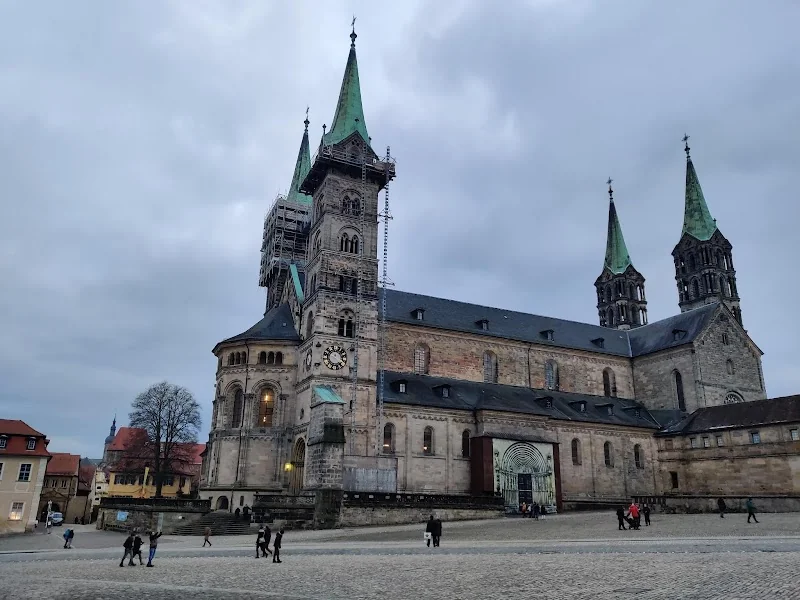
The Cathedral Square Bamberg is one of the most impressive places in the UNESCO World Heritage City and is freely accessible at any time. On the Cathedral Hill, the Imperial Cathedral, Old Court, New Residence, Diocesan Museum, and Rose Garden come together from multiple eras in a compact space, making the square feel like a living open-air museum. Those looking for Cathedral Square Bamberg today, Cathedral Square Bamberg events, or Cathedral Square Bamberg parking will find not only a historical focal point here but also a practical starting point for a tour of the hill city. The square is closely linked to the history of Henry II, who founded the Diocese of Bamberg in 1007, and together with the surrounding buildings forms the heart of the Cathedral Hill. At the same time, it is a place for guided tours, church music, services, and cultural encounters. It is important for visitors to know: The Cathedral Square itself is freely accessible, but the cathedral and the adjacent facilities have their own opening and access information. This allows for a well-planned visit without losing track of history, architecture, and current use. ([bamberg.info](https://www.bamberg.info/poi/domplatz-5017/))
Cathedral Square Bamberg: Location, Orientation, and First Impression
Upon entering the Cathedral Square, one immediately stands in the midst of a cityscape that makes Bamberg so special. The square is located on the Cathedral Hill, one of the seven hills of the city, and connects not only buildings but entire layers of time. The official tourism presentation describes the Cathedral Square as a place that visibly showcases architectural styles from Romanesque and Gothic to Renaissance and Baroque in a compact area. This concentration of architecture is one of the reasons why the square has such a strong impact: It only takes a few steps to go from the massive westwork of the cathedral to the Old Court, from there to the New Residence, and further to the Rose Garden. For visitors, this means: The Cathedral Square is not a place to check off quickly, but a space that invites slow walking, looking, and comparing. It is also an excellent entry point into Bamberg for those seeing the city for the first time, as here World Heritage, ecclesiastical history, and representative Baroque court culture come together directly. The fact that the square is freely accessible at any time makes it particularly attractive for a spontaneous walk in the morning, afternoon, or evening when the city becomes quieter and the facades appear more three-dimensional in the changing light. ([en.bamberg.info](https://en.bamberg.info/poi/cathedral_square-5017/))
The location is both practical and symbolic. Practically, because the Cathedral Square, as the center of the Cathedral Hill, consolidates numerous points of interest: the cathedral itself, the visitor service, the Diocesan Museum, the Old Court, and the New Residence. Symbolically, because here the religious and political heritage of the bishop city becomes visible. The New Residence is located directly opposite the cathedral and, with its Imperial Hall and state rooms, is one of the most prominent buildings in the square. The Old Court adjoins the cathedral and shows a former form of courtly representation with its Renaissance facade and courtyard. The Diocesan Museum, in turn, preserves significant treasures of the cathedral, including the famous imperial cloaks and the papal vestments of Clement II. Understanding this place also helps to understand Bamberg better: The Cathedral Square is not just a backdrop but the spatial hinge between spiritual power, art history, and urban identity. This explains why it is repeatedly highlighted as the centerpiece of the cathedral city in tourism materials and city descriptions. ([bamberg.info](https://www.bamberg.info/poi/domplatz-5017/))
What landmarks shape the Cathedral Square?
The most important building at Cathedral Square is undoubtedly the Imperial Cathedral of St. Peter and St. George. The official presentation refers to Emperor Henry II, who founded the Diocese of Bamberg in 1007; the current cathedral was consecrated in 1237. Its four towers, Romanesque-Gothic architectural style, and famous artworks inside make it the centerpiece of the square and the most significant artwork in the surrounding area. For many visitors, the Bamberg Rider, the imperial tomb of Henry II and Kunigunde, and the papal tomb of Clement II are the highlights of the tour. The cathedral is therefore much more than a house of worship: it is a key location for understanding medieval rule, piety, and iconography. It is also interesting that the cathedral is regularly listed on the official site with visiting times, organ concerts, and current information, showing how lively this place is still used today. So when someone searches for Cathedral Square Bamberg cathedral, they are referring not only to a building but to a complex historical ensemble whose significance extends far beyond the city. ([bamberg.info](https://www.bamberg.info/poi/domplatz-5017/))
Immediately next to it is the Old Court. It embodies the Renaissance of the 16th century and directly adjoins the cathedral with its courtyard. Today, the cathedral construction office and the Historical Museum are located there, making the place historically and museologically relevant. Opposite is the New Residence, a Baroque ensemble that was built in two phases during the 17th and early 18th centuries. The official tourism site highlights the Imperial Hall, the state rooms, and the state library; nearby is also the Rose Garden, which opens the square to a quieter, very photogenic perspective. Additionally, the Diocesan Museum is located at Cathedral Square, housing significant liturgical treasures, including the imperial cloaks and the papal vestments of Clement II. The museum initiative Domberg - Museums around the Bamberg Cathedral also consolidates these offerings. This creates an exceptionally dense ensemble for visitors: sacred architecture, courtly representation, museum collections, and public urban space are literally next door to each other. This spatial proximity makes Cathedral Square one of the most rewarding places for a first or repeated visit to Bamberg. ([bamberg.info](https://www.bamberg.info/poi/domplatz-5017/))
Events, Cathedral Tours, and Concerts at Cathedral Square
Those looking for Cathedral Square Bamberg events or Cathedral Square Bamberg today should first check the official calendars of the cathedral and tourism sites. There, it becomes clear that Cathedral Square is not only a memorial space but a lively place for current programs. The cathedral site regularly lists public cathedral tours Dom.Premium as well as Saturday concerts in the cathedral; additionally, children's concerts and other musical events are also featured. Particularly important is the information that organ concerts take place on Saturdays from May to October and that the cathedral is temporarily closed for visits during this time, but concert visitors are explicitly welcome. This makes it clear: music is an integral part of the use of the place. Therefore, Cathedral Square is not just a backdrop but part of a lively cultural and liturgical event. For SEO and visitor inquiries, this is central because search queries for tickets, programs, concerts, or today almost always target a current event context. At Cathedral Square in Bamberg, this demand is met with a real, ongoing offer that ranges from spiritual music to tours to family formats. ([bamberg.info](https://www.bamberg.info/poi/dom-4643/?utm_source=openai))
Additionally, the surroundings of Cathedral Square are also present in the broader Bamberg cultural agenda. The city and the tourism sites regularly refer to events in the context of the Cathedral Hill, museum offerings, and cultural-historical tours. The Diocesan Museum also recalls the religious significance of the place, for example, with the note that the cathedral cross is carried through Bamberg every year during the Corpus Christi procession. Such details show that Cathedral Square plays an active role not only for tourists but also for the religious and cultural life of the city. Therefore, anyone planning a visit today can easily combine it with a tour, a concert, or a museum visit. The great advantage is the proximity of the offerings: one square, several buildings, one common thematic framework. This makes Cathedral Square particularly pleasant for visitors, as they do not have to travel across the city but move within a compact historical field. For search intentions related to programs, tickets, and concerts, this is a strong point because the official infrastructure of the place provides exactly the information that visitors expect. ([visitbamberg.com](https://www.visitbamberg.com/en/poi/diocesan-museum/))
Access, Parking, and Accessibility at Cathedral Square Bamberg
When it comes to access, it is important to know: Cathedral Square is not a public parking area. The official site of the Bamberg Cathedral points out that the area, owned by the Free State of Bavaria and the city of Bamberg, is only available for parking during certain service times, namely Saturdays from 4:30 PM to 6:30 PM and Sundays from 9:00 AM to 1:00 PM, each with a distance from the buildings. For regular visits, the nearby parking garages City Old Town, Center South, and Center North are recommended. Those arriving by public transport can reach Cathedral Square with city bus line 910 from the central bus station. Tour buses are not allowed to drive into Cathedral Square, which is an important planning point for group trips. This information is particularly valuable for visitors as it avoids misunderstandings: Cathedral Square is central but not intended as a regular parking lot. The best solution is usually a combination of parking garage and a short walk through the old town. This also fits well with the character of the place, as the Cathedral Hill should not be dominated by car traffic but remain an experienceable historical urban space. ([bamberger-dom.de](https://bamberger-dom.de/gotteshaus/parken-und-zugang/index.html))
When it comes to accessibility, it is also important to look closely in advance. The official cathedral site informs that the High Cathedral of Bamberg is not accessible due to construction work until the end of July 2026, and the accessible toilets behind the sacristy door are also not accessible during this time. For people who rely on accessible access, this is important and current information that directly affects planning. At the same time, it shows that work is ongoing to improve accessibility at the Cathedral Hill, even though the construction situation remains temporarily limited. Therefore, anyone wishing to visit Cathedral Square should check current information before traveling and plan alternatives as needed. For travel groups, families, and older visitors, it is advisable to arrange the tour so that arrival, stairs, breaks, and possible detours are taken into account. The Cathedral Square itself is freely accessible, but the adjacent buildings each have their own conditions. This mix of open square situation and specialized accesses makes careful preparation sensible. Those who take this into account will experience the Cathedral Hill much more relaxed and can focus more on architecture, history, and atmosphere. ([bamberg.info](https://www.bamberg.info/poi/dom-4643/?utm_source=openai))
History of the Cathedral Square: from Castle Square to the Current Name
The history of Cathedral Square is itself an exciting piece of urban development. The site of the Bamberg Cathedral explains that the square was formerly called Court Square or Castle Square; only the small area in front of the chapter house was already referred to as Cathedral Square. After the secularization, the new Bavarian rulers renamed the area in honor of the then Queen Caroline to Caroline Square. It was only after the end of the monarchy that the name Cathedral Square gradually gained acceptance, and in 1949 it was officially adopted. This is more than just a naming story: it shows how power relations, urban use, and perception have changed over centuries. Also important is the lowering of the level in 1777 and 1778, which gave the square its current form with steps and a more direct access to the city center. This strengthened the connection between the Cathedral Hill and the city. The redesign at that time made new accesses from the east possible and changed the spatial situation sustainably. Today, those walking across the square can still feel this layering, even if it is not immediately recognizable in everyday life. ([bamberger-dom.de](https://bamberger-dom.de/sonstiges/Domberg/Domplatz/index.html))
The historical depth of the place also explains why Cathedral Square is perceived so distinctly as an ensemble. The arrangement of the cathedral, Old Court, and New Residence is not a random neighborhood but the result of a long development in which spiritual power, courtly representation, and urban development were intertwined. The city of Bamberg describes the entire old town area as a UNESCO World Heritage site and emphasizes the special historical profile of the city on its seven hills. In this context, Cathedral Square gains its significance: it is not just a beautiful square but a central building block of Bamberg's architectural and cultural identity. The architectural diversity at the site tells of Romanesque and Gothic in the cathedral, Renaissance in the Old Court, and Baroque in the New Residence. Thus, the square becomes a vivid history book that is not displayed in showcases but stands openly before the eyes of visitors. Those who know this historical background usually perceive the place more intensely and understand better why Bamberg has been protected and maintained as a UNESCO World Heritage site since 1993. ([stadt.bamberg.de](https://www.stadt.bamberg.de/Unsere-Stadt/Stadtinfo/Stadtportr%C3%A4t/?utm_source=openai))
Cathedral Square Bamberg as a Starting Point for the World Heritage Experience
For a successful visit to Bamberg, Cathedral Square is an ideal starting point. From here, the most important stations of the World Heritage can be easily connected on foot: the Old Court directly at the square, the New Residence with its Imperial Hall and the Rose Garden, the Diocesan Museum, the cathedral itself, and further down the Old Town Hall and the old town alleys. UNESCO describes Bamberg as a well-preserved example of a Central European city with an early medieval layout and many preserved ecclesiastical and secular buildings from the Middle Ages. The World Heritage area also includes three historical city districts: Hill City, Island City, and Gardener City. Starting at Cathedral Square, one stands at one of the most important points of this overall structure. The perspective from the Cathedral Hill down into the old town makes it understandable how strongly the topography has shaped the cityscape. This view is one reason why visitors often find Cathedral Square particularly impressive: Here, the historic city opens up in layers and directions, rather than just presenting itself along a front. ([whc.unesco.org](https://whc.unesco.org/en/list/624/?utm_source=openai))
The place is also excellently suited for photographic impressions and quiet moments in the city. Cathedral Square is freely accessible, the paths between the sights are short, and the square continually offers new perspectives on facades, towers, and courtyards. Those with more time should combine their visit with a detour to the Rose Garden or a look at the Old and New Court buildings. The official tourism site explicitly highlights that the institutions at Cathedral Square jointly participate in the initiative Domberg - Museums around the Bamberg Cathedral. This is the special added value: one does not just visit individual buildings but a cultural system of church, museum, court architecture, and urban space. This creates a tour that remains interesting for both first-time visitors and returnees. For search queries like Cathedral Square Bamberg old town, Cathedral Square Bamberg UNESCO, or Cathedral Square Bamberg history, this is a strong content response because it not only describes the place but also explains its surroundings and integration. Those who truly want to get to know Bamberg should best start here at the Cathedral Hill and then slowly lead the way down into the city. ([bamberg.info](https://www.bamberg.info/poi/domplatz-5017/))
Sources:
- Bamberg Tourism - Cathedral Square
- Bamberg Cathedral - Parking and Access
- Bamberg Cathedral - Cathedral Square
- Center World Heritage Bamberg - UNESCO World Heritage
- City Bamberg - City Portrait
- Visit Bamberg - New Residence
- Visit Bamberg - Diocesan Museum
- Bamberg Tourism - Cathedral
- Bamberg Tourism - Children's Concert in the Cathedral
- Bamberg Tourism - Event Calendar
Mehr anzeigenWeniger anzeigen
Cathedral Square Bamberg | Events & Access
The Cathedral Square Bamberg is one of the most impressive places in the UNESCO World Heritage City and is freely accessible at any time. On the Cathedral Hill, the Imperial Cathedral, Old Court, New Residence, Diocesan Museum, and Rose Garden come together from multiple eras in a compact space, making the square feel like a living open-air museum. Those looking for Cathedral Square Bamberg today, Cathedral Square Bamberg events, or Cathedral Square Bamberg parking will find not only a historical focal point here but also a practical starting point for a tour of the hill city. The square is closely linked to the history of Henry II, who founded the Diocese of Bamberg in 1007, and together with the surrounding buildings forms the heart of the Cathedral Hill. At the same time, it is a place for guided tours, church music, services, and cultural encounters. It is important for visitors to know: The Cathedral Square itself is freely accessible, but the cathedral and the adjacent facilities have their own opening and access information. This allows for a well-planned visit without losing track of history, architecture, and current use. ([bamberg.info](https://www.bamberg.info/poi/domplatz-5017/))
Cathedral Square Bamberg: Location, Orientation, and First Impression
Upon entering the Cathedral Square, one immediately stands in the midst of a cityscape that makes Bamberg so special. The square is located on the Cathedral Hill, one of the seven hills of the city, and connects not only buildings but entire layers of time. The official tourism presentation describes the Cathedral Square as a place that visibly showcases architectural styles from Romanesque and Gothic to Renaissance and Baroque in a compact area. This concentration of architecture is one of the reasons why the square has such a strong impact: It only takes a few steps to go from the massive westwork of the cathedral to the Old Court, from there to the New Residence, and further to the Rose Garden. For visitors, this means: The Cathedral Square is not a place to check off quickly, but a space that invites slow walking, looking, and comparing. It is also an excellent entry point into Bamberg for those seeing the city for the first time, as here World Heritage, ecclesiastical history, and representative Baroque court culture come together directly. The fact that the square is freely accessible at any time makes it particularly attractive for a spontaneous walk in the morning, afternoon, or evening when the city becomes quieter and the facades appear more three-dimensional in the changing light. ([en.bamberg.info](https://en.bamberg.info/poi/cathedral_square-5017/))
The location is both practical and symbolic. Practically, because the Cathedral Square, as the center of the Cathedral Hill, consolidates numerous points of interest: the cathedral itself, the visitor service, the Diocesan Museum, the Old Court, and the New Residence. Symbolically, because here the religious and political heritage of the bishop city becomes visible. The New Residence is located directly opposite the cathedral and, with its Imperial Hall and state rooms, is one of the most prominent buildings in the square. The Old Court adjoins the cathedral and shows a former form of courtly representation with its Renaissance facade and courtyard. The Diocesan Museum, in turn, preserves significant treasures of the cathedral, including the famous imperial cloaks and the papal vestments of Clement II. Understanding this place also helps to understand Bamberg better: The Cathedral Square is not just a backdrop but the spatial hinge between spiritual power, art history, and urban identity. This explains why it is repeatedly highlighted as the centerpiece of the cathedral city in tourism materials and city descriptions. ([bamberg.info](https://www.bamberg.info/poi/domplatz-5017/))
What landmarks shape the Cathedral Square?
The most important building at Cathedral Square is undoubtedly the Imperial Cathedral of St. Peter and St. George. The official presentation refers to Emperor Henry II, who founded the Diocese of Bamberg in 1007; the current cathedral was consecrated in 1237. Its four towers, Romanesque-Gothic architectural style, and famous artworks inside make it the centerpiece of the square and the most significant artwork in the surrounding area. For many visitors, the Bamberg Rider, the imperial tomb of Henry II and Kunigunde, and the papal tomb of Clement II are the highlights of the tour. The cathedral is therefore much more than a house of worship: it is a key location for understanding medieval rule, piety, and iconography. It is also interesting that the cathedral is regularly listed on the official site with visiting times, organ concerts, and current information, showing how lively this place is still used today. So when someone searches for Cathedral Square Bamberg cathedral, they are referring not only to a building but to a complex historical ensemble whose significance extends far beyond the city. ([bamberg.info](https://www.bamberg.info/poi/domplatz-5017/))
Immediately next to it is the Old Court. It embodies the Renaissance of the 16th century and directly adjoins the cathedral with its courtyard. Today, the cathedral construction office and the Historical Museum are located there, making the place historically and museologically relevant. Opposite is the New Residence, a Baroque ensemble that was built in two phases during the 17th and early 18th centuries. The official tourism site highlights the Imperial Hall, the state rooms, and the state library; nearby is also the Rose Garden, which opens the square to a quieter, very photogenic perspective. Additionally, the Diocesan Museum is located at Cathedral Square, housing significant liturgical treasures, including the imperial cloaks and the papal vestments of Clement II. The museum initiative Domberg - Museums around the Bamberg Cathedral also consolidates these offerings. This creates an exceptionally dense ensemble for visitors: sacred architecture, courtly representation, museum collections, and public urban space are literally next door to each other. This spatial proximity makes Cathedral Square one of the most rewarding places for a first or repeated visit to Bamberg. ([bamberg.info](https://www.bamberg.info/poi/domplatz-5017/))
Events, Cathedral Tours, and Concerts at Cathedral Square
Those looking for Cathedral Square Bamberg events or Cathedral Square Bamberg today should first check the official calendars of the cathedral and tourism sites. There, it becomes clear that Cathedral Square is not only a memorial space but a lively place for current programs. The cathedral site regularly lists public cathedral tours Dom.Premium as well as Saturday concerts in the cathedral; additionally, children's concerts and other musical events are also featured. Particularly important is the information that organ concerts take place on Saturdays from May to October and that the cathedral is temporarily closed for visits during this time, but concert visitors are explicitly welcome. This makes it clear: music is an integral part of the use of the place. Therefore, Cathedral Square is not just a backdrop but part of a lively cultural and liturgical event. For SEO and visitor inquiries, this is central because search queries for tickets, programs, concerts, or today almost always target a current event context. At Cathedral Square in Bamberg, this demand is met with a real, ongoing offer that ranges from spiritual music to tours to family formats. ([bamberg.info](https://www.bamberg.info/poi/dom-4643/?utm_source=openai))
Additionally, the surroundings of Cathedral Square are also present in the broader Bamberg cultural agenda. The city and the tourism sites regularly refer to events in the context of the Cathedral Hill, museum offerings, and cultural-historical tours. The Diocesan Museum also recalls the religious significance of the place, for example, with the note that the cathedral cross is carried through Bamberg every year during the Corpus Christi procession. Such details show that Cathedral Square plays an active role not only for tourists but also for the religious and cultural life of the city. Therefore, anyone planning a visit today can easily combine it with a tour, a concert, or a museum visit. The great advantage is the proximity of the offerings: one square, several buildings, one common thematic framework. This makes Cathedral Square particularly pleasant for visitors, as they do not have to travel across the city but move within a compact historical field. For search intentions related to programs, tickets, and concerts, this is a strong point because the official infrastructure of the place provides exactly the information that visitors expect. ([visitbamberg.com](https://www.visitbamberg.com/en/poi/diocesan-museum/))
Access, Parking, and Accessibility at Cathedral Square Bamberg
When it comes to access, it is important to know: Cathedral Square is not a public parking area. The official site of the Bamberg Cathedral points out that the area, owned by the Free State of Bavaria and the city of Bamberg, is only available for parking during certain service times, namely Saturdays from 4:30 PM to 6:30 PM and Sundays from 9:00 AM to 1:00 PM, each with a distance from the buildings. For regular visits, the nearby parking garages City Old Town, Center South, and Center North are recommended. Those arriving by public transport can reach Cathedral Square with city bus line 910 from the central bus station. Tour buses are not allowed to drive into Cathedral Square, which is an important planning point for group trips. This information is particularly valuable for visitors as it avoids misunderstandings: Cathedral Square is central but not intended as a regular parking lot. The best solution is usually a combination of parking garage and a short walk through the old town. This also fits well with the character of the place, as the Cathedral Hill should not be dominated by car traffic but remain an experienceable historical urban space. ([bamberger-dom.de](https://bamberger-dom.de/gotteshaus/parken-und-zugang/index.html))
When it comes to accessibility, it is also important to look closely in advance. The official cathedral site informs that the High Cathedral of Bamberg is not accessible due to construction work until the end of July 2026, and the accessible toilets behind the sacristy door are also not accessible during this time. For people who rely on accessible access, this is important and current information that directly affects planning. At the same time, it shows that work is ongoing to improve accessibility at the Cathedral Hill, even though the construction situation remains temporarily limited. Therefore, anyone wishing to visit Cathedral Square should check current information before traveling and plan alternatives as needed. For travel groups, families, and older visitors, it is advisable to arrange the tour so that arrival, stairs, breaks, and possible detours are taken into account. The Cathedral Square itself is freely accessible, but the adjacent buildings each have their own conditions. This mix of open square situation and specialized accesses makes careful preparation sensible. Those who take this into account will experience the Cathedral Hill much more relaxed and can focus more on architecture, history, and atmosphere. ([bamberg.info](https://www.bamberg.info/poi/dom-4643/?utm_source=openai))
History of the Cathedral Square: from Castle Square to the Current Name
The history of Cathedral Square is itself an exciting piece of urban development. The site of the Bamberg Cathedral explains that the square was formerly called Court Square or Castle Square; only the small area in front of the chapter house was already referred to as Cathedral Square. After the secularization, the new Bavarian rulers renamed the area in honor of the then Queen Caroline to Caroline Square. It was only after the end of the monarchy that the name Cathedral Square gradually gained acceptance, and in 1949 it was officially adopted. This is more than just a naming story: it shows how power relations, urban use, and perception have changed over centuries. Also important is the lowering of the level in 1777 and 1778, which gave the square its current form with steps and a more direct access to the city center. This strengthened the connection between the Cathedral Hill and the city. The redesign at that time made new accesses from the east possible and changed the spatial situation sustainably. Today, those walking across the square can still feel this layering, even if it is not immediately recognizable in everyday life. ([bamberger-dom.de](https://bamberger-dom.de/sonstiges/Domberg/Domplatz/index.html))
The historical depth of the place also explains why Cathedral Square is perceived so distinctly as an ensemble. The arrangement of the cathedral, Old Court, and New Residence is not a random neighborhood but the result of a long development in which spiritual power, courtly representation, and urban development were intertwined. The city of Bamberg describes the entire old town area as a UNESCO World Heritage site and emphasizes the special historical profile of the city on its seven hills. In this context, Cathedral Square gains its significance: it is not just a beautiful square but a central building block of Bamberg's architectural and cultural identity. The architectural diversity at the site tells of Romanesque and Gothic in the cathedral, Renaissance in the Old Court, and Baroque in the New Residence. Thus, the square becomes a vivid history book that is not displayed in showcases but stands openly before the eyes of visitors. Those who know this historical background usually perceive the place more intensely and understand better why Bamberg has been protected and maintained as a UNESCO World Heritage site since 1993. ([stadt.bamberg.de](https://www.stadt.bamberg.de/Unsere-Stadt/Stadtinfo/Stadtportr%C3%A4t/?utm_source=openai))
Cathedral Square Bamberg as a Starting Point for the World Heritage Experience
For a successful visit to Bamberg, Cathedral Square is an ideal starting point. From here, the most important stations of the World Heritage can be easily connected on foot: the Old Court directly at the square, the New Residence with its Imperial Hall and the Rose Garden, the Diocesan Museum, the cathedral itself, and further down the Old Town Hall and the old town alleys. UNESCO describes Bamberg as a well-preserved example of a Central European city with an early medieval layout and many preserved ecclesiastical and secular buildings from the Middle Ages. The World Heritage area also includes three historical city districts: Hill City, Island City, and Gardener City. Starting at Cathedral Square, one stands at one of the most important points of this overall structure. The perspective from the Cathedral Hill down into the old town makes it understandable how strongly the topography has shaped the cityscape. This view is one reason why visitors often find Cathedral Square particularly impressive: Here, the historic city opens up in layers and directions, rather than just presenting itself along a front. ([whc.unesco.org](https://whc.unesco.org/en/list/624/?utm_source=openai))
The place is also excellently suited for photographic impressions and quiet moments in the city. Cathedral Square is freely accessible, the paths between the sights are short, and the square continually offers new perspectives on facades, towers, and courtyards. Those with more time should combine their visit with a detour to the Rose Garden or a look at the Old and New Court buildings. The official tourism site explicitly highlights that the institutions at Cathedral Square jointly participate in the initiative Domberg - Museums around the Bamberg Cathedral. This is the special added value: one does not just visit individual buildings but a cultural system of church, museum, court architecture, and urban space. This creates a tour that remains interesting for both first-time visitors and returnees. For search queries like Cathedral Square Bamberg old town, Cathedral Square Bamberg UNESCO, or Cathedral Square Bamberg history, this is a strong content response because it not only describes the place but also explains its surroundings and integration. Those who truly want to get to know Bamberg should best start here at the Cathedral Hill and then slowly lead the way down into the city. ([bamberg.info](https://www.bamberg.info/poi/domplatz-5017/))
Sources:
- Bamberg Tourism - Cathedral Square
- Bamberg Cathedral - Parking and Access
- Bamberg Cathedral - Cathedral Square
- Center World Heritage Bamberg - UNESCO World Heritage
- City Bamberg - City Portrait
- Visit Bamberg - New Residence
- Visit Bamberg - Diocesan Museum
- Bamberg Tourism - Cathedral
- Bamberg Tourism - Children's Concert in the Cathedral
- Bamberg Tourism - Event Calendar
Cathedral Square Bamberg | Events & Access
The Cathedral Square Bamberg is one of the most impressive places in the UNESCO World Heritage City and is freely accessible at any time. On the Cathedral Hill, the Imperial Cathedral, Old Court, New Residence, Diocesan Museum, and Rose Garden come together from multiple eras in a compact space, making the square feel like a living open-air museum. Those looking for Cathedral Square Bamberg today, Cathedral Square Bamberg events, or Cathedral Square Bamberg parking will find not only a historical focal point here but also a practical starting point for a tour of the hill city. The square is closely linked to the history of Henry II, who founded the Diocese of Bamberg in 1007, and together with the surrounding buildings forms the heart of the Cathedral Hill. At the same time, it is a place for guided tours, church music, services, and cultural encounters. It is important for visitors to know: The Cathedral Square itself is freely accessible, but the cathedral and the adjacent facilities have their own opening and access information. This allows for a well-planned visit without losing track of history, architecture, and current use. ([bamberg.info](https://www.bamberg.info/poi/domplatz-5017/))
Cathedral Square Bamberg: Location, Orientation, and First Impression
Upon entering the Cathedral Square, one immediately stands in the midst of a cityscape that makes Bamberg so special. The square is located on the Cathedral Hill, one of the seven hills of the city, and connects not only buildings but entire layers of time. The official tourism presentation describes the Cathedral Square as a place that visibly showcases architectural styles from Romanesque and Gothic to Renaissance and Baroque in a compact area. This concentration of architecture is one of the reasons why the square has such a strong impact: It only takes a few steps to go from the massive westwork of the cathedral to the Old Court, from there to the New Residence, and further to the Rose Garden. For visitors, this means: The Cathedral Square is not a place to check off quickly, but a space that invites slow walking, looking, and comparing. It is also an excellent entry point into Bamberg for those seeing the city for the first time, as here World Heritage, ecclesiastical history, and representative Baroque court culture come together directly. The fact that the square is freely accessible at any time makes it particularly attractive for a spontaneous walk in the morning, afternoon, or evening when the city becomes quieter and the facades appear more three-dimensional in the changing light. ([en.bamberg.info](https://en.bamberg.info/poi/cathedral_square-5017/))
The location is both practical and symbolic. Practically, because the Cathedral Square, as the center of the Cathedral Hill, consolidates numerous points of interest: the cathedral itself, the visitor service, the Diocesan Museum, the Old Court, and the New Residence. Symbolically, because here the religious and political heritage of the bishop city becomes visible. The New Residence is located directly opposite the cathedral and, with its Imperial Hall and state rooms, is one of the most prominent buildings in the square. The Old Court adjoins the cathedral and shows a former form of courtly representation with its Renaissance facade and courtyard. The Diocesan Museum, in turn, preserves significant treasures of the cathedral, including the famous imperial cloaks and the papal vestments of Clement II. Understanding this place also helps to understand Bamberg better: The Cathedral Square is not just a backdrop but the spatial hinge between spiritual power, art history, and urban identity. This explains why it is repeatedly highlighted as the centerpiece of the cathedral city in tourism materials and city descriptions. ([bamberg.info](https://www.bamberg.info/poi/domplatz-5017/))
What landmarks shape the Cathedral Square?
The most important building at Cathedral Square is undoubtedly the Imperial Cathedral of St. Peter and St. George. The official presentation refers to Emperor Henry II, who founded the Diocese of Bamberg in 1007; the current cathedral was consecrated in 1237. Its four towers, Romanesque-Gothic architectural style, and famous artworks inside make it the centerpiece of the square and the most significant artwork in the surrounding area. For many visitors, the Bamberg Rider, the imperial tomb of Henry II and Kunigunde, and the papal tomb of Clement II are the highlights of the tour. The cathedral is therefore much more than a house of worship: it is a key location for understanding medieval rule, piety, and iconography. It is also interesting that the cathedral is regularly listed on the official site with visiting times, organ concerts, and current information, showing how lively this place is still used today. So when someone searches for Cathedral Square Bamberg cathedral, they are referring not only to a building but to a complex historical ensemble whose significance extends far beyond the city. ([bamberg.info](https://www.bamberg.info/poi/domplatz-5017/))
Immediately next to it is the Old Court. It embodies the Renaissance of the 16th century and directly adjoins the cathedral with its courtyard. Today, the cathedral construction office and the Historical Museum are located there, making the place historically and museologically relevant. Opposite is the New Residence, a Baroque ensemble that was built in two phases during the 17th and early 18th centuries. The official tourism site highlights the Imperial Hall, the state rooms, and the state library; nearby is also the Rose Garden, which opens the square to a quieter, very photogenic perspective. Additionally, the Diocesan Museum is located at Cathedral Square, housing significant liturgical treasures, including the imperial cloaks and the papal vestments of Clement II. The museum initiative Domberg - Museums around the Bamberg Cathedral also consolidates these offerings. This creates an exceptionally dense ensemble for visitors: sacred architecture, courtly representation, museum collections, and public urban space are literally next door to each other. This spatial proximity makes Cathedral Square one of the most rewarding places for a first or repeated visit to Bamberg. ([bamberg.info](https://www.bamberg.info/poi/domplatz-5017/))
Events, Cathedral Tours, and Concerts at Cathedral Square
Those looking for Cathedral Square Bamberg events or Cathedral Square Bamberg today should first check the official calendars of the cathedral and tourism sites. There, it becomes clear that Cathedral Square is not only a memorial space but a lively place for current programs. The cathedral site regularly lists public cathedral tours Dom.Premium as well as Saturday concerts in the cathedral; additionally, children's concerts and other musical events are also featured. Particularly important is the information that organ concerts take place on Saturdays from May to October and that the cathedral is temporarily closed for visits during this time, but concert visitors are explicitly welcome. This makes it clear: music is an integral part of the use of the place. Therefore, Cathedral Square is not just a backdrop but part of a lively cultural and liturgical event. For SEO and visitor inquiries, this is central because search queries for tickets, programs, concerts, or today almost always target a current event context. At Cathedral Square in Bamberg, this demand is met with a real, ongoing offer that ranges from spiritual music to tours to family formats. ([bamberg.info](https://www.bamberg.info/poi/dom-4643/?utm_source=openai))
Additionally, the surroundings of Cathedral Square are also present in the broader Bamberg cultural agenda. The city and the tourism sites regularly refer to events in the context of the Cathedral Hill, museum offerings, and cultural-historical tours. The Diocesan Museum also recalls the religious significance of the place, for example, with the note that the cathedral cross is carried through Bamberg every year during the Corpus Christi procession. Such details show that Cathedral Square plays an active role not only for tourists but also for the religious and cultural life of the city. Therefore, anyone planning a visit today can easily combine it with a tour, a concert, or a museum visit. The great advantage is the proximity of the offerings: one square, several buildings, one common thematic framework. This makes Cathedral Square particularly pleasant for visitors, as they do not have to travel across the city but move within a compact historical field. For search intentions related to programs, tickets, and concerts, this is a strong point because the official infrastructure of the place provides exactly the information that visitors expect. ([visitbamberg.com](https://www.visitbamberg.com/en/poi/diocesan-museum/))
Access, Parking, and Accessibility at Cathedral Square Bamberg
When it comes to access, it is important to know: Cathedral Square is not a public parking area. The official site of the Bamberg Cathedral points out that the area, owned by the Free State of Bavaria and the city of Bamberg, is only available for parking during certain service times, namely Saturdays from 4:30 PM to 6:30 PM and Sundays from 9:00 AM to 1:00 PM, each with a distance from the buildings. For regular visits, the nearby parking garages City Old Town, Center South, and Center North are recommended. Those arriving by public transport can reach Cathedral Square with city bus line 910 from the central bus station. Tour buses are not allowed to drive into Cathedral Square, which is an important planning point for group trips. This information is particularly valuable for visitors as it avoids misunderstandings: Cathedral Square is central but not intended as a regular parking lot. The best solution is usually a combination of parking garage and a short walk through the old town. This also fits well with the character of the place, as the Cathedral Hill should not be dominated by car traffic but remain an experienceable historical urban space. ([bamberger-dom.de](https://bamberger-dom.de/gotteshaus/parken-und-zugang/index.html))
When it comes to accessibility, it is also important to look closely in advance. The official cathedral site informs that the High Cathedral of Bamberg is not accessible due to construction work until the end of July 2026, and the accessible toilets behind the sacristy door are also not accessible during this time. For people who rely on accessible access, this is important and current information that directly affects planning. At the same time, it shows that work is ongoing to improve accessibility at the Cathedral Hill, even though the construction situation remains temporarily limited. Therefore, anyone wishing to visit Cathedral Square should check current information before traveling and plan alternatives as needed. For travel groups, families, and older visitors, it is advisable to arrange the tour so that arrival, stairs, breaks, and possible detours are taken into account. The Cathedral Square itself is freely accessible, but the adjacent buildings each have their own conditions. This mix of open square situation and specialized accesses makes careful preparation sensible. Those who take this into account will experience the Cathedral Hill much more relaxed and can focus more on architecture, history, and atmosphere. ([bamberg.info](https://www.bamberg.info/poi/dom-4643/?utm_source=openai))
History of the Cathedral Square: from Castle Square to the Current Name
The history of Cathedral Square is itself an exciting piece of urban development. The site of the Bamberg Cathedral explains that the square was formerly called Court Square or Castle Square; only the small area in front of the chapter house was already referred to as Cathedral Square. After the secularization, the new Bavarian rulers renamed the area in honor of the then Queen Caroline to Caroline Square. It was only after the end of the monarchy that the name Cathedral Square gradually gained acceptance, and in 1949 it was officially adopted. This is more than just a naming story: it shows how power relations, urban use, and perception have changed over centuries. Also important is the lowering of the level in 1777 and 1778, which gave the square its current form with steps and a more direct access to the city center. This strengthened the connection between the Cathedral Hill and the city. The redesign at that time made new accesses from the east possible and changed the spatial situation sustainably. Today, those walking across the square can still feel this layering, even if it is not immediately recognizable in everyday life. ([bamberger-dom.de](https://bamberger-dom.de/sonstiges/Domberg/Domplatz/index.html))
The historical depth of the place also explains why Cathedral Square is perceived so distinctly as an ensemble. The arrangement of the cathedral, Old Court, and New Residence is not a random neighborhood but the result of a long development in which spiritual power, courtly representation, and urban development were intertwined. The city of Bamberg describes the entire old town area as a UNESCO World Heritage site and emphasizes the special historical profile of the city on its seven hills. In this context, Cathedral Square gains its significance: it is not just a beautiful square but a central building block of Bamberg's architectural and cultural identity. The architectural diversity at the site tells of Romanesque and Gothic in the cathedral, Renaissance in the Old Court, and Baroque in the New Residence. Thus, the square becomes a vivid history book that is not displayed in showcases but stands openly before the eyes of visitors. Those who know this historical background usually perceive the place more intensely and understand better why Bamberg has been protected and maintained as a UNESCO World Heritage site since 1993. ([stadt.bamberg.de](https://www.stadt.bamberg.de/Unsere-Stadt/Stadtinfo/Stadtportr%C3%A4t/?utm_source=openai))
Cathedral Square Bamberg as a Starting Point for the World Heritage Experience
For a successful visit to Bamberg, Cathedral Square is an ideal starting point. From here, the most important stations of the World Heritage can be easily connected on foot: the Old Court directly at the square, the New Residence with its Imperial Hall and the Rose Garden, the Diocesan Museum, the cathedral itself, and further down the Old Town Hall and the old town alleys. UNESCO describes Bamberg as a well-preserved example of a Central European city with an early medieval layout and many preserved ecclesiastical and secular buildings from the Middle Ages. The World Heritage area also includes three historical city districts: Hill City, Island City, and Gardener City. Starting at Cathedral Square, one stands at one of the most important points of this overall structure. The perspective from the Cathedral Hill down into the old town makes it understandable how strongly the topography has shaped the cityscape. This view is one reason why visitors often find Cathedral Square particularly impressive: Here, the historic city opens up in layers and directions, rather than just presenting itself along a front. ([whc.unesco.org](https://whc.unesco.org/en/list/624/?utm_source=openai))
The place is also excellently suited for photographic impressions and quiet moments in the city. Cathedral Square is freely accessible, the paths between the sights are short, and the square continually offers new perspectives on facades, towers, and courtyards. Those with more time should combine their visit with a detour to the Rose Garden or a look at the Old and New Court buildings. The official tourism site explicitly highlights that the institutions at Cathedral Square jointly participate in the initiative Domberg - Museums around the Bamberg Cathedral. This is the special added value: one does not just visit individual buildings but a cultural system of church, museum, court architecture, and urban space. This creates a tour that remains interesting for both first-time visitors and returnees. For search queries like Cathedral Square Bamberg old town, Cathedral Square Bamberg UNESCO, or Cathedral Square Bamberg history, this is a strong content response because it not only describes the place but also explains its surroundings and integration. Those who truly want to get to know Bamberg should best start here at the Cathedral Hill and then slowly lead the way down into the city. ([bamberg.info](https://www.bamberg.info/poi/domplatz-5017/))
Sources:
- Bamberg Tourism - Cathedral Square
- Bamberg Cathedral - Parking and Access
- Bamberg Cathedral - Cathedral Square
- Center World Heritage Bamberg - UNESCO World Heritage
- City Bamberg - City Portrait
- Visit Bamberg - New Residence
- Visit Bamberg - Diocesan Museum
- Bamberg Tourism - Cathedral
- Bamberg Tourism - Children's Concert in the Cathedral
- Bamberg Tourism - Event Calendar
Upcoming Events
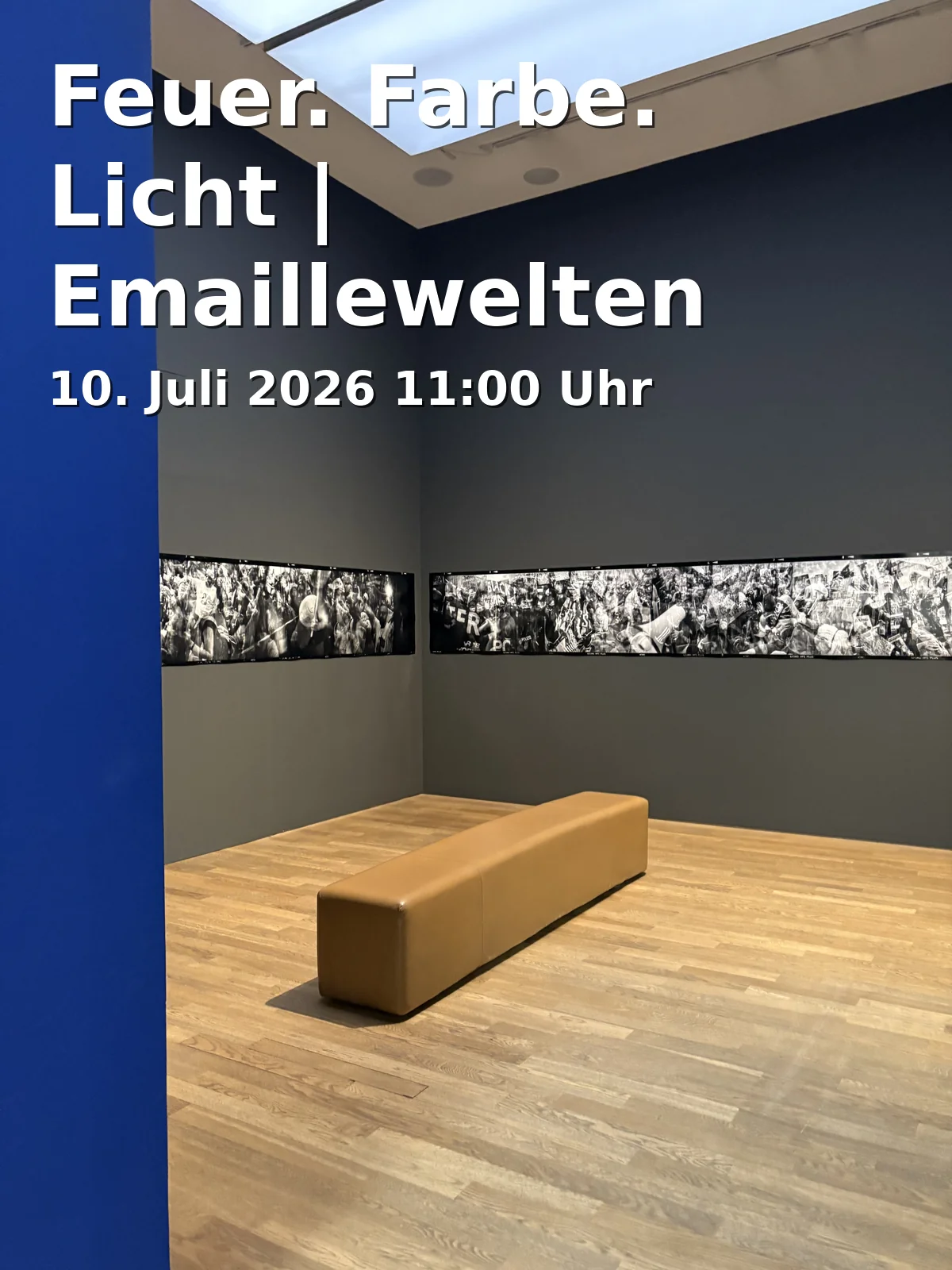
Fire. Color. Light | Enamel Worlds by Nora Kovats
A vibrant magical garden of enamel, drawing, and light awaits you in Bamberg. Nora Kovats connects nature, material, and imagination. #Bamberg
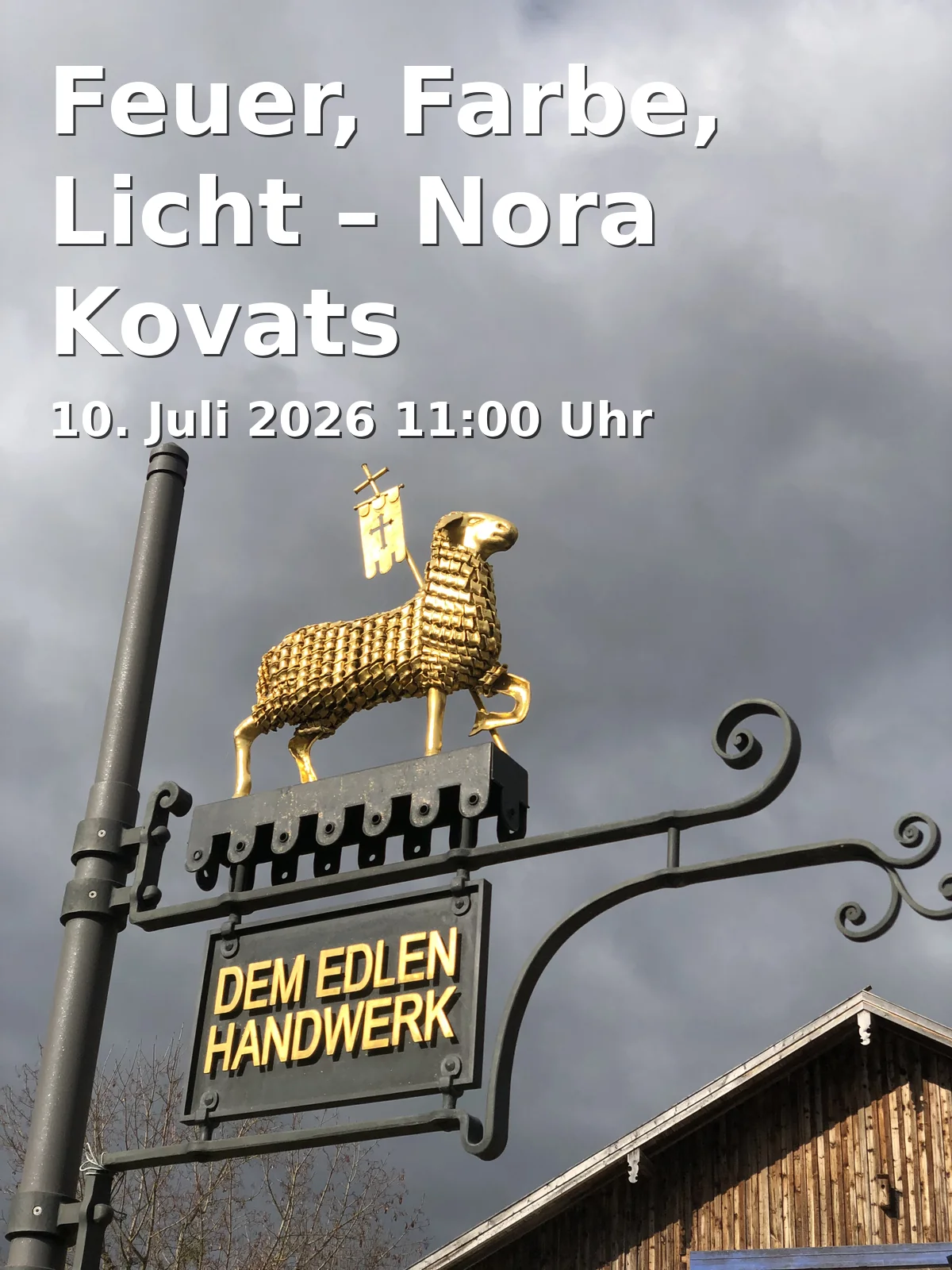
Fire, Color, Light – Nora Kovats
A glowing magical garden in Bamberg: Nora Kovats combines enamel, ink, and precious metal into a poetic exhibition. #Bamberg
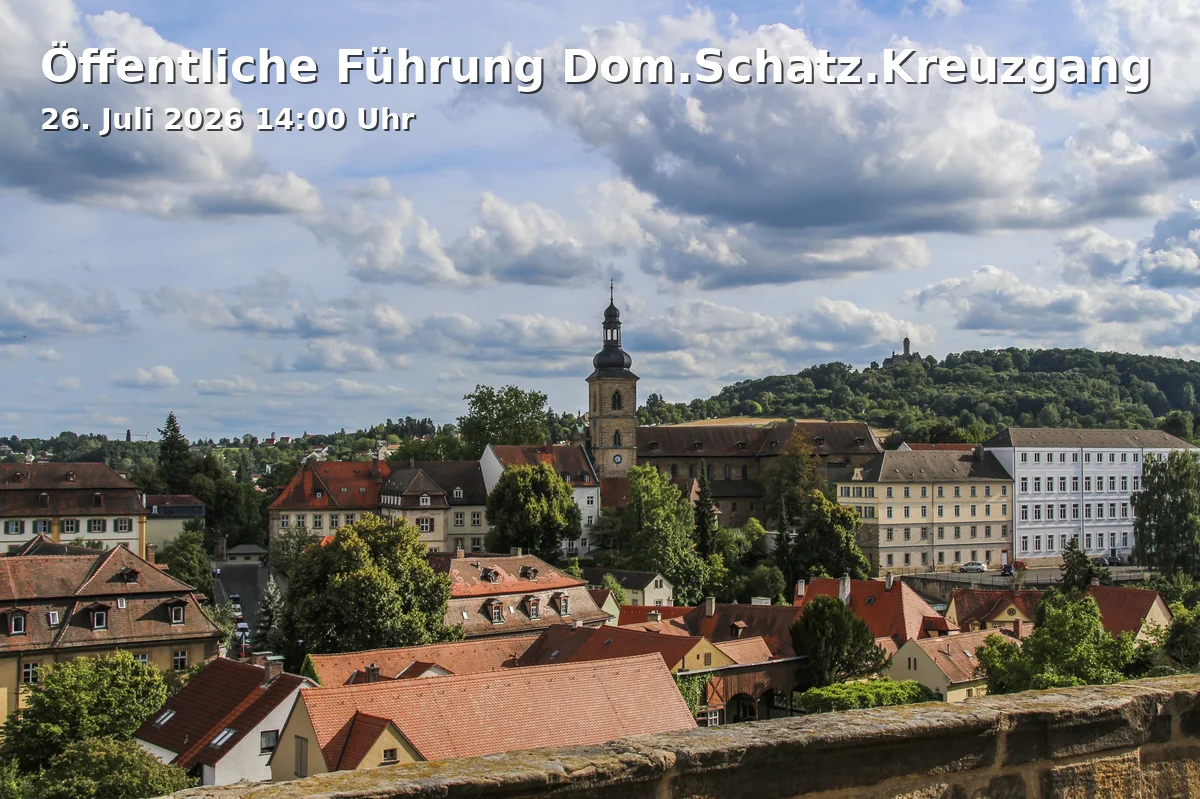
Public Tour Dom.Treasure. Cloister
Rediscover Bamberg's cathedral treasure: 90 minutes filled with art, faith, and quiet grandeur in the cloister. On 26.07.2026 from 14:00. #Bamberg

"Haimatochare" by E.T.A. Hoffmann, with Stephan Bach, Maximilian Blumenfelder, and Andreas Ulich
A rare Hoffmann evening in Bamberg: Language, music, and romance condense in the E.T.A. Hoffmann dance hall. 30.07.2026, 17:00. #Theater

Rubin Chamber Players: Haydn, Beethoven & Mozart
Discover the magic of chamber music with the Rubin Chamber Players in Bamberg.

Sleeping Beauty
Visit the charming fairy tale performance Sleeping Beauty at the New Residence in Bamberg. A magical experience for young and old.
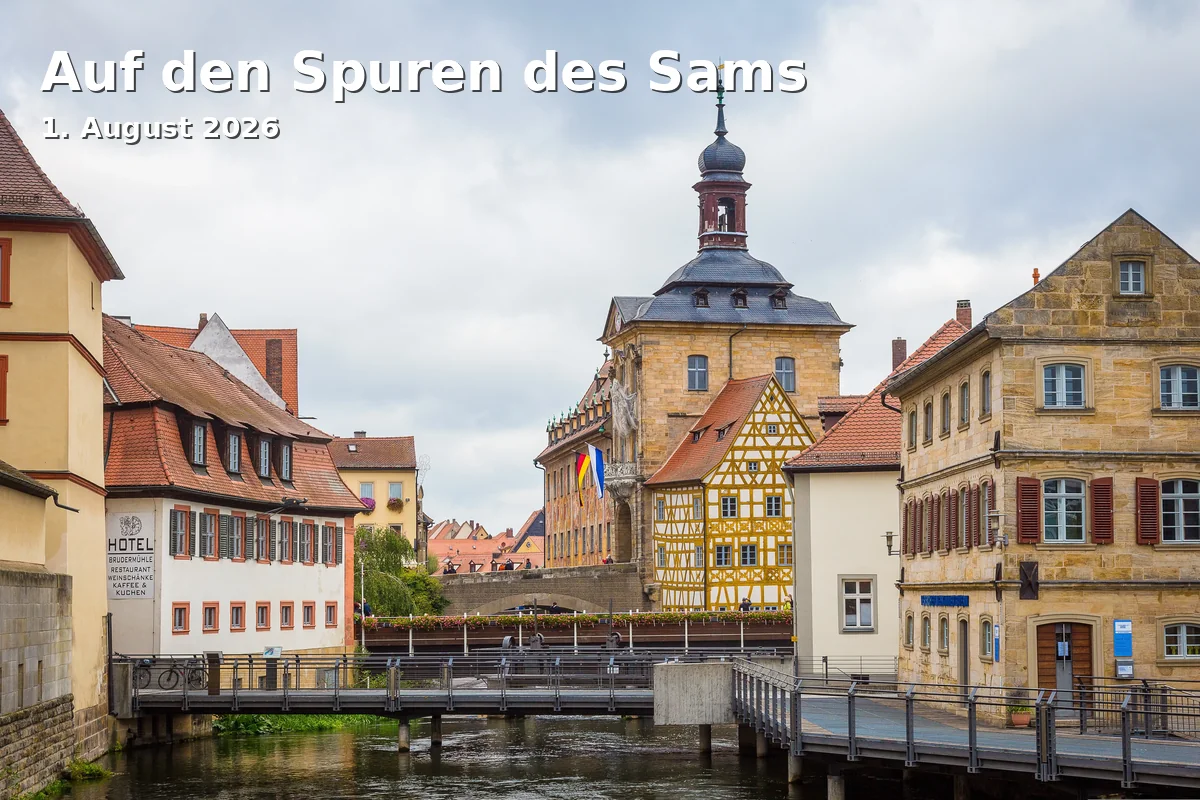
In the Footsteps of Sams
Discover the original filming locations of the Sams movie in Bamberg. Perfect for big and small children.
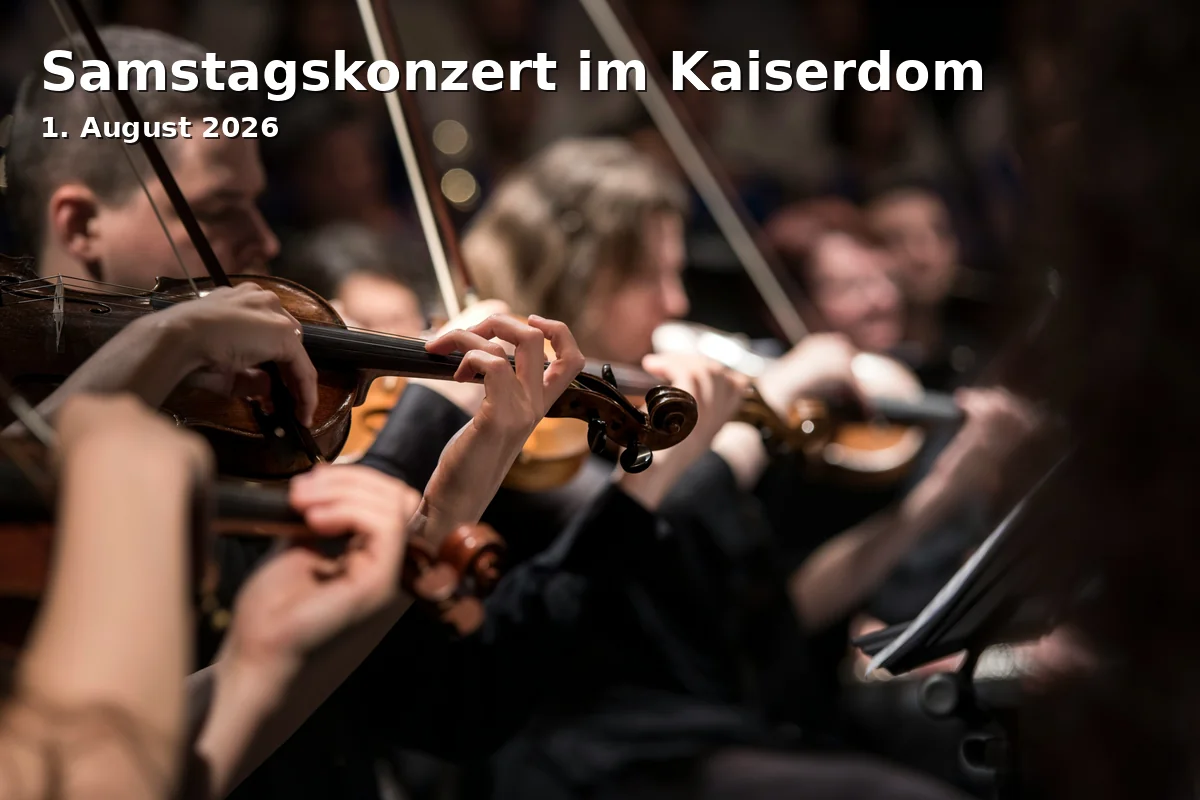
Saturday Concert in the Imperial Cathedral
On August 1, 2026, you can expect a musical highlight at the Imperial Cathedral Bamberg. Experience a concert in a historic setting.

Exhibition: Beautiful Illusion. Precious Books Deceptively Realistically Reproduced
Visit the exhibition "Beautiful Illusion" at the Bamberg State Library and discover impressive facsimiles of rare books.
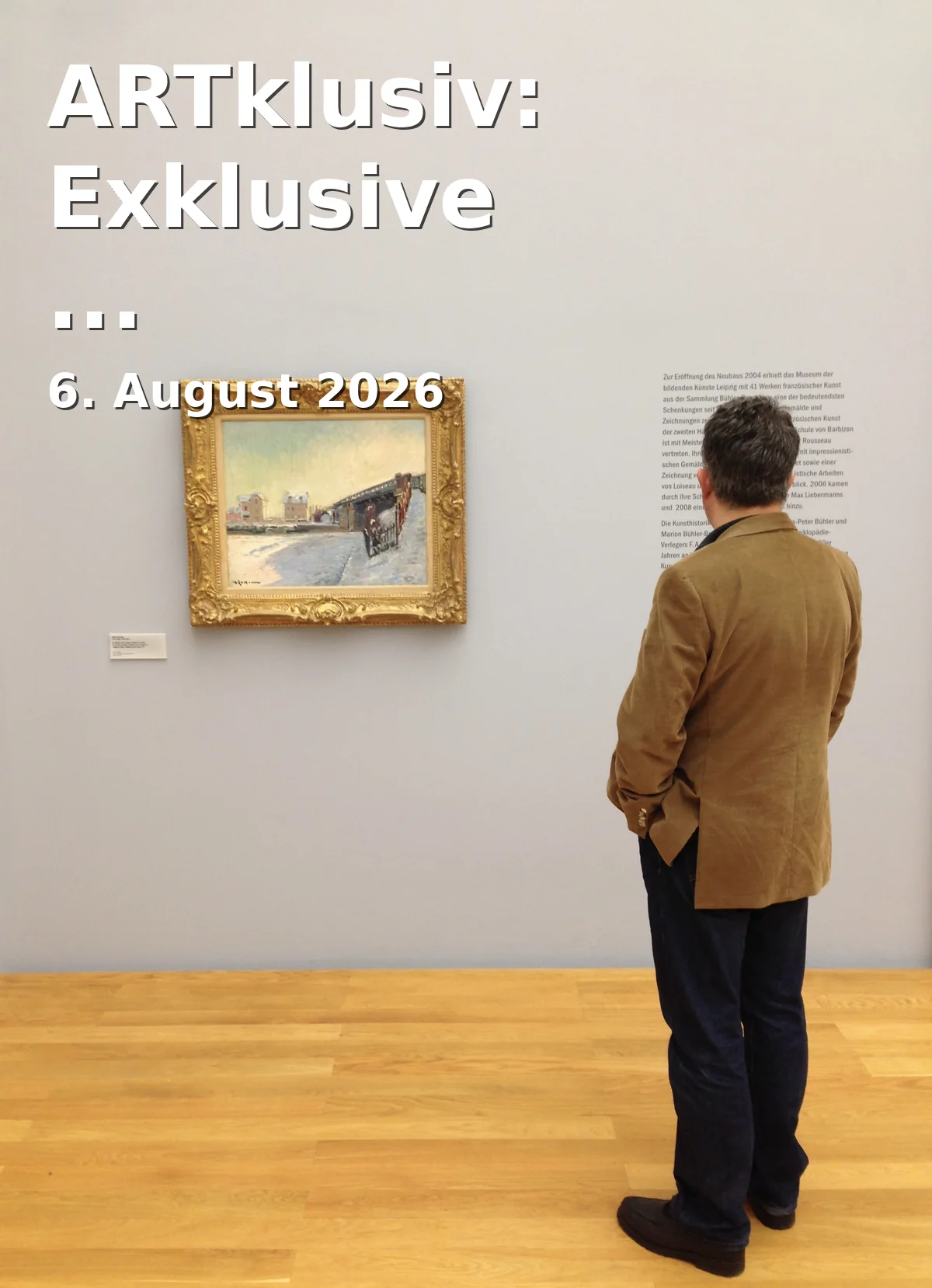
ARTklusiv: Exclusive Exhibition Tour
Dive into the world of art at the Diocesan Museum Bamberg. Experience selected works with a historical introduction.
Frequently Asked Questions
Reviews
No reviews found