Woody Allen
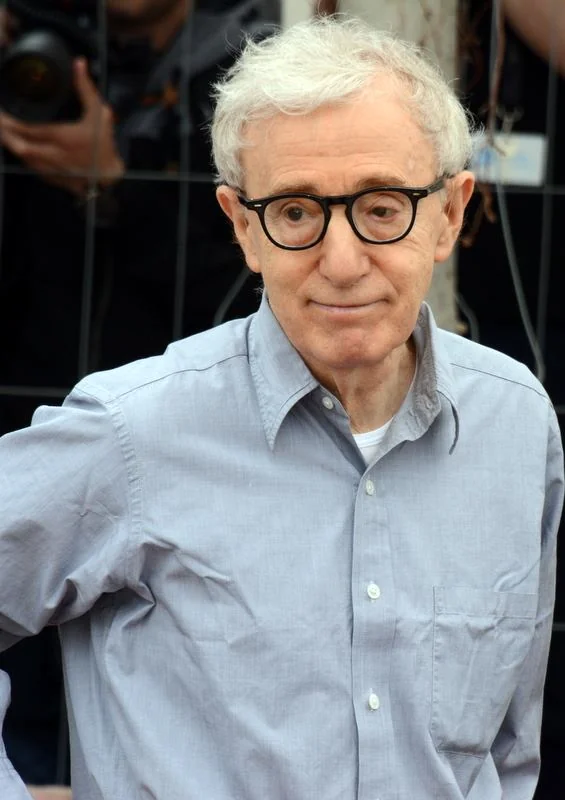
Image from Wikipedia
Image from Wikipedia
Woody Allen: The New York Stylist Between Film, Comedy, and Jazz
An exceptional artist from the Bronx who has shaped a distinctive voice over decades
Woody Allen, born Allan Stewart Konigsberg in the Bronx, New York City, is one of the defining American artists of the 20th and 21st centuries. He became known as a film director, author, actor, and comedian, but also as a passionate jazz musician, whose relationship with music goes far beyond mere accompaniment. His work combines urban neurosis, literary wit, cinematic precision, and a deeply rooted love for early jazz. ([de.wikipedia.org](https://de.wikipedia.org/wiki/Woody_Allen?utm_source=openai))
His sheer productivity makes him an exceptional figure: For more than six decades, his career in music, in a broader artistic sense, has ranged from the stand-up stage to screenwriting, directing, and acting, to writing books and performing jazz. His official biography emphasizes that his career as a comedian, author, and filmmaker includes more than 45 feature films, numerous books, and a long life as a style-defining artist. The combination of intellectual humor, New York atmosphere, and musical sensitivity has made Allen a permanently recognizable brand. ([woodyallen.com](https://woodyallen.com/biography/?utm_source=openai))
Early Years: From the Bronx to the Stage
Allen's roots in the Bronx and his youth in New York City are central to understanding his art. The early socialization in a fast-paced, often ironic urban environment shaped his view of language, everyday observation, and character development. He developed a penchant for punchlines, self-irony, and the art of transforming insecurity into comedy from an early age. ([de.wikipedia.org](https://de.wikipedia.org/wiki/Woody_Allen?utm_source=openai))
The young talent initially became a stand-up comedian, and by the early 1960s, he was one of the most well-known names in the scene. During this phase, a discography of comedy albums emerged, including early releases that document his linguistic artistry and his dry, literary humor. These recordings mark the transition from stage comedian to multimedia author who worked on several levels simultaneously. ([en.wikipedia.org](https://en.wikipedia.org/wiki/Woody_Allen?utm_source=openai))
The Breakthrough in Film: From Comedian to Author-Director
Woody Allen achieved sustainable breakthrough success in cinema. According to AllMusic, his career as a stage comedian effectively ended in the late 1960s, while the success of Take the Money and Run secured his path as a filmmaker. His early influential works, such as What’s New Pussycat?, Take the Money and Run, Bananas, and Sleeper, set the tone for his comic universe. ([allmusic.com](https://www.allmusic.com/artist/woody-allen-mn0000678950?utm_source=openai))
His films from the late 1960s to the 1970s are characterized by witty dialogue, urban satire, and a keen observation of relational dynamics. Especially Annie Hall and Manhattan anchored Allen in the canon of American auteur cinema; they are still highlighted as key works on his official site. Annie Hall condenses personal experience, neurosis, romance, and comedic self-analysis into a form that has shaped generations of viewers. ([woodyallen.com](https://woodyallen.com/annie-hall/?utm_source=openai))
Between Comedy and Drama: The Artistic Development
Woody Allen never settled on one formula. With Interiors, he explicitly turned to drama, unveiling a serious, psychologically concentrated tone without sacrificing the formal elegance of his work. This development showcases an artist who not only delivered gags but also experimented with composition, rhythm, and character direction. ([woodyallen.com](https://woodyallen.com/interiors/?utm_source=openai))
In the following decades, light comedies, melodramas, urban portraits, and moral dramas alternated. The official filmography documents this immense range from Hannah and Her Sisters through Crimes and Misdemeanors to later films like Midnight in Paris, Blue Jasmine, and Coup de Chance. This stylistic mobility explains why Allen's music career can also be read as a study of variations. ([woodyallen.com](https://woodyallen.com/filmography/?utm_source=openai))
Jazz as a Second Language: Clarinet, Band, and Musical Identity
Woody Allen's connection to jazz is not decorative but identity-forming. His official biography and various film-related pages on his website emphasize his longstanding love for jazz; Sweet and Lowdown is explicitly described as a work stemming from this lifelong passion. Jazz for Allen is not background noise, but a cultural resonance space that shapes his characters, atmosphere, and sense of time. ([woodyallen.com](https://woodyallen.com/biography/?utm_source=openai))
This was particularly evident in Wild Man Blues, the documentary about Allen and his New Orleans-style jazz band during a European tour. The official film site describes the tour as a whirlwind journey and portrays Allen not merely as a celebrity, but as an active part of an ensemble. In this context, he appears as a passionate clarinetist, whose stage presence is associated with ritual, discipline, and a strikingly serious dedication to traditional jazz forms. ([woodyallen.com](https://woodyallen.com/wild-man-blues/?utm_source=openai))
Musically, his work is also concretely documented: AllMusic lists him as an artist with credits in areas such as Clarinet, Composer, and Primary Artist; the site also mentions soundtrack and jazz references in his discography. Documented releases include comedy albums from the 1960s and later music projects like Woody With Strings. This creates an image in which Allen not only loves music but integrates it as a genuine, recurring form of expression into his overall work. ([allmusic.com](https://www.allmusic.com/artist/woody-allen-mn0000678950?utm_source=openai))
Discography and Reception: Humor, Music, and Cult Status
Woody Allen's discography primarily includes comedy albums and music-related releases that cemented his early reputation as a verbally gifted comedian. At the same time, sources indicate that his work in film and literature garnered significant attention: he published short stories, plays, and columns, further cementing his role as an author. Music has remained a consistent thread, particularly in the form of jazz performances, film scores, and thematically integrated soundtracks. ([en.wikipedia.org](https://en.wikipedia.org/wiki/Woody_Allen?utm_source=openai))
The critical reception of his films is unusually dense and often passionate. Some of his works have been labeled masterpieces or classics of modern American cinema, while later works, particularly in public debate, received more controversial receptions. Even where criticism and cultural debate overshadow his person, the artistic authority of his overall work remains undisputed: multiple Oscar nominations, four awards, and a filmography of enormous density speak for his exceptional status in the canon. ([de.wikipedia.org](https://de.wikipedia.org/wiki/Woody_Allen?utm_source=openai))
Cultural Influence: New Yorker Intellect, Urban Comedy, and Jazz Aesthetics
Allen embodies a type of American intellectual who brings together pop culture, literature, and music in a distinctive tone. His films tell stories of relationships, self-doubt, urban alienation, and cultural education, often in a New York cadence that has long since become a model. The fact that his works continue to be quoted, analyzed, and reassessed today demonstrates the lasting influence of his aesthetic signature. ([woodyallen.com](https://woodyallen.com/biography/?utm_source=openai))
As a jazz enthusiast, he has also created cultural visibility. The official website emphasizes his long-standing work with bands and his fascination with traditional jazz styles; in Sweet and Lowdown, this passion is narratively condensed, while Wild Man Blues makes it visible in documentary form. This results in a rare artist profile: a filmmaker who not only visualizes music but remains part of a vibrant tradition as a musician. ([woodyallen.com](https://woodyallen.com/sweet-and-lowdown/?utm_source=openai))
Current Projects and Later Phase
The official filmography shows that Woody Allen remained active in the 2020s as well. With Rifkin’s Festival (2020) and Coup de Chance (2023), he continued his directorial work; his website also highlights his first novel project Tightly Plotted Fiction. This later phase underscores that his creative drive is not confined to cinema or jazz but expresses itself in various forms. ([woodyallen.com](https://woodyallen.com/filmography/?utm_source=openai))
No new, clearly documented album or release announcements from Woody Allen were found in verifiable web results for current music projects in 2024 and 2025. However, his continued presence as an artist, author, and filmmaker, along with the fact that his entire body of work remains publicly documented and consumed, is established. For an artist page, this continuity is important: it represents a living catalog, not a completed myth. ([woodyallen.com](https://woodyallen.com/filmography/?utm_source=openai))
Conclusion: Why Woody Allen Continues to Fascinate
Woody Allen remains intriguing because he embodies several artistic worlds at once: the precise auteur filmmaker, the neurotic observer of modern life, and the serious jazz enthusiast. His career intertwines comedy with melancholy, Manhattan with swing, literature with direction, and personal style with cultural recognizability. Experiencing his work reveals a unique interplay of timing, intelligence, and musical sensitivity. ([woodyallen.com](https://woodyallen.com/biography/?utm_source=openai))
It is precisely this mix of stage presence, artistic development, and stylistic consistency that makes him a figure of lasting relevance. Experiencing Woody Allen live means witnessing an artist who has known his form for decades and continually explores new dimensions. For music lovers, cinephiles, and culture enthusiasts, he remains a name that is contradictory, influential, and unmistakable at the same time. ([humboldtgesellschaft.de](https://www.humboldtgesellschaft.de/inhalt.php?name=woody&utm_source=openai))
Official Channels of Woody Allen:
- Instagram: No official profile found
- Facebook: No official profile found
- YouTube: No official profile found
- Spotify: No official profile found
- TikTok: No official profile found
Sources:
- Woody Allen Filmography – Biography
- Woody Allen Filmography – Filmography
- Woody Allen Filmography – Sweet and Lowdown
- Woody Allen Filmography – Wild Man Blues
- Woody Allen Filmography – Annie Hall
- Woody Allen Filmography – Interiors
- Woody Allen Filmography – Manhattan
- Woody Allen Filmography – A Rainy Day in New York
- AllMusic – Woody Allen Biography, Discography, Albums & Expert Reviews
- Wikipedia – Woody Allen
Upcoming Events

The Purple Rose of Cairo by Woody Allen

The Purple Rose of Cairo by Woody Allen

The Purple Rose of Cairo

The Purple Rose of Cairo by Woody Allen

The Purple Rose of Cairo by Woody Allen
The Purple Rose of Cairo by Woody Allen