
Riccardo Minasi
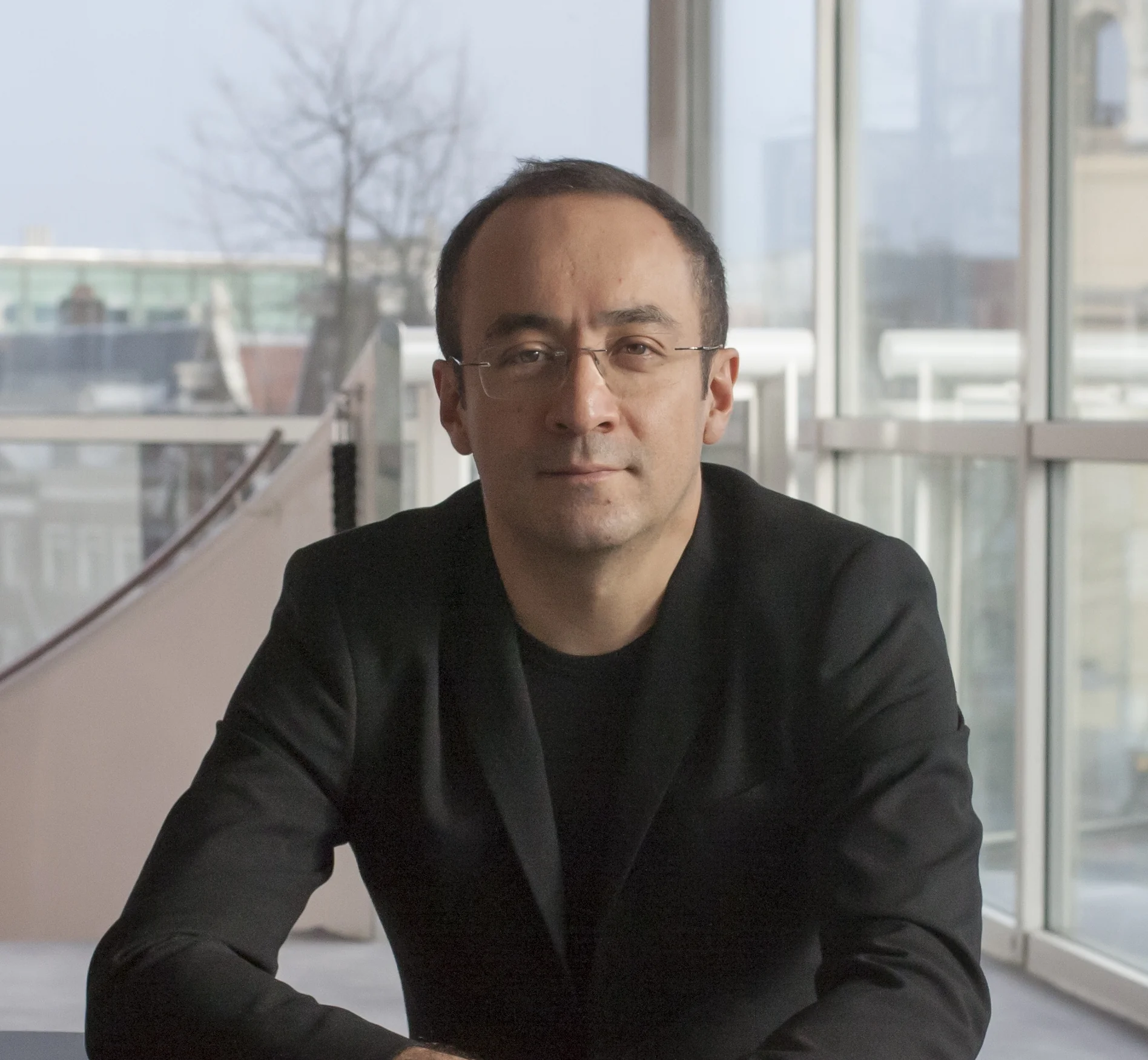
Image from Wikipedia
Image from Wikipedia
Riccardo Minasi – The Italian Sound Architect of Historically Informed Performance Practice
A conductor and violinist who electrifyingly combines Baroque, Classical, and contemporary music
Born in 1978 in Rome, Riccardo Minasi is among the most prominent Italian musicians of his generation in the field of historically informed performance practice. He started as a violinist, evolving through chamber music and work with leading early music ensembles to become an internationally renowned conductor. His music career intertwines stylistic research, technical sovereignty, and a stage presence that creates an extraordinary tension even in the repertoire of Mozart, Haydn, Vivaldi, and Bellini. ([en.wikipedia.org](https://en.wikipedia.org/wiki/Riccardo_Minasi))
Biography: From Rome to the Centers of Early Music
Minasi received his first music lessons from his mother and initially studied modern violin with Paolo Centurioni and Alfredo Fiorentini before turning to the Baroque violin and its corresponding repertoire. His formative teachers in this field included Enrico Parizzi and Luigi Mangiocavallo. This dual training – modern technique and historical performance practice – early shaped the artistic development that later became his trademark. ([en.wikipedia.org](https://en.wikipedia.org/wiki/Riccardo_Minasi))
As a soloist and concertmaster, Minasi has collaborated with renowned ensembles such as Le Concert des Nations under Jordi Savall, Accademia Bizantina, Il Giardino Armonico, Concerto Vocale Gent under René Jacobs, Collegium 1704, and Ensemble 415 under Chiara Banchini. His collaborations with personalities like Enrico Onofri, Viktoria Mullova, Albrecht Mayer, Christophe Coin, Sergio Azzolini, and Reinhard Goebel further demonstrate his status as a musician who not only interprets but actively shapes musical history. ([en.wikipedia.org](https://en.wikipedia.org/wiki/Riccardo_Minasi))
Career: From Concertmaster to Sought-after Principal Conductor
In 2007, Minasi founded the chamber music ensemble Musica Antiqua Roma, focusing particularly on forgotten Roman composers of the 17th and 18th centuries. This programmatic curiosity reflects an artist who does not solely rely on well-known masterpieces but reconstructs and expands repertoire history. In 2009 he became the historical advisor for the Orchestre Symphonique de Montréal, and in 2010 he worked as an assistant to Thomas Hengelbrock for a Theater Dortmund production of Bellini's Norma. ([en.wikipedia.org](https://en.wikipedia.org/wiki/Riccardo_Minasi))
His rise as a conductor has been marked by institutional continuity and international visibility: from 2011 to 2016, he was a co-founder and conductor of Il pomo d’oro, and from 2017 to 2022, he served as principal conductor of the Mozarteumorchester Salzburg. Since 2022, he has held central leadership roles as Principal Guest Conductor of Ensemble Resonanz and Artistic Director of Orchestra La Scintilla at the Zurich Opera; additionally, he served as Music Director at Teatro Carlo Felice in Genoa from 2022 to 2025. These positions highlight a career that encompasses opera, symphonic music, and historical interpretation. ([riccardominasi.com](https://www.riccardominasi.com/))
Current Projects and Artistic Presence
In the 2025/26 season, Minasi will be Artist in Residence at the Elbphilharmonie Hamburg, conducting four programs with Ensemble Resonanz. These include a concert performance of Bellini's I Capuleti e i Montecchi and Haydn's The Seven Last Words of Our Saviour on the Cross. He will also perform with Die Deutsche Kammerphilharmonie Bremen in Hamburg and continue his European tour with Beatrice Rana, followed by concerts in South America with James Ehnes. ([riccardominasi.com](https://www.riccardominasi.com/))
Minasi remains present in the public eye: for the 2025/26 season, his profile was highlighted by Ensemble Resonanz as an Artist-in-Residence, while his debuts and guest appearances with major orchestras affirm his international reach. Recent announcements underscore that Minasi is no longer regarded merely as a specialist in early music, but as a stylish shaper of the classical core repertoire. ([riccardominasi.com](https://www.riccardominasi.com/?utm_source=openai))
Discography: Between Reference Recordings and Stylistically Formative Interpretations
Minasi's discography is closely associated with historical performance practice and sonic transparency. Important recordings include Biber’s Rosary Sonatas (2006), Corelli’s Legacy (2007), Veracini’s Violin Sonatas (2009), Handel’s Violin Sonatas (2011), and Vivaldi’s Concerti per l’imperatore (2012). Additionally, he has recorded works with Il pomo d’oro and Ensemble Resonanz, including pieces by C. P. E. Bach, Mozart, and Pergolesi. ([en.wikipedia.org](https://en.wikipedia.org/wiki/Riccardo_Minasi))
Notably, many of the more than 20 CDs in which Minasi participated as a soloist have received awards. The recording of Biber's Rosary Sonatas reached the finals of the Midem Classical Award in 2009, and later releases such as Mozart's Symphonies Nos. 39, 40, and 41, or Pergolesi's Stabat Mater illustrate how consistently Minasi cultivates a modern-sounding yet historically sensitive approach with his ensemble. Thus, his repertoire is not only documentary but aesthetically programmatic. ([en.wikipedia.org](https://en.wikipedia.org/wiki/Riccardo_Minasi))
Style and Interpretation: Historically Informed, Dramatically Charged
Minasi is regarded as a musician who understands historical performance practice not as a museum language but as a vibrant medium of expression. Critics describe his interpretations as precise, rich in color, and carried by strong rhythmic tension. Especially in Mozart and Haydn, a style emerges that intertwines attention to detail, articulation, and dramatic intensity. ([ensembleresonanz.com](https://www.ensembleresonanz.com/en/ensemble-resonanz/riccardo-minasi?utm_source=openai))
That he goes far beyond mere stylistic correctness is evidenced by numerous reviews. The Guardian attested in 2014 that his conducting is "second to none," meaning at the highest level; other reviews praise the blend of historical precision and emotional immediacy. Even when working with modern orchestras, Minasi seeks the sound core of the repertoire and shapes transparent, often surprisingly sharply contoured interpretations from it. ([theguardian.com](https://www.theguardian.com/music/2014/may/08/tamerlano-handel-review-il-pomo-doro-riccardo-minasi?utm_source=openai))
Critical Reception and Cultural Influence
Minasi's cultural influence lies in his ability to reintegrate the historical repertoire into contemporary concert life without leveling its intrinsic logic. His collaborations with Ensemble Resonanz, the Mozarteumorchester Salzburg, and Orchestra La Scintilla demonstrate how he bridges specialized Baroque ensembles and modern symphony orchestras. This mediator role makes him a key figure in the European classical scene. ([en.wikipedia.org](https://en.wikipedia.org/wiki/Riccardo_Minasi))
Reviews often describe his approach as analytical yet never dry: Minasi infuses classical form with glow, structure, and movement. This creates an interpretation that is both informed by music history and immediately captivating in the concert hall. For an audience seeking historical accuracy combined with passionate presence, he is one of the most exciting conductors of our time. ([musicomh.com](https://www.musicomh.com/classical/reviews-classical/prom-41-ensemble-resonanz-mozart-bbc-proms-royal-albert-hall?utm_source=openai))
Conclusion: Why Riccardo Minasi Remains So Fascinating
Riccardo Minasi is fascinating because he does not merely manage historical performance practice but transforms it into a lively, contemporary sound language. As a violinist, ensemble founder, and conductor, he has crafted a profile that unites intellect, sense of style, and expressive energy. Experiencing him live means encountering an artist who infuses musical form with urgency and makes even familiar works resonate anew. ([riccardominasi.com](https://www.riccardominasi.com/))
For this reason, attending a concert is worthwhile: Minasi represents interpretive curiosity, precise sound design, and a stage presence that transforms the classical repertoire into an intense present. His programs are not mere performances but musical events with substance, excitement, and historical depth. ([riccardominasi.com](https://www.riccardominasi.com/?utm_source=openai))
Official Channels of Riccardo Minasi:
- Instagram: no official profile found
- Facebook: no official profile found
- YouTube: https://www.youtube.com/@RiccardoMinasi
- Spotify: https://open.spotify.com/artist/4uYezrzLeI9Y2Q8AnwO5ey
- TikTok: no official profile found
Sources:
- Riccardo Minasi – Official Website
- Riccardo Minasi – Official Biography/Press PDF
- Wikipedia – Riccardo Minasi (English)
- Wikipedia – Riccardo Minasi (German)
- Ensemble Resonanz – Riccardo Minasi
- The Guardian – Handel: Tamerlano review, May 8, 2014
- musicOMH – Prom 41 review, Ensemble Resonanz/Minasi
- Limelight – Beethoven’s Eroica review
- Limelight – Queensland Symphony Orchestra review
- Wikipedia: Image and text source