
Christine Koschmieder
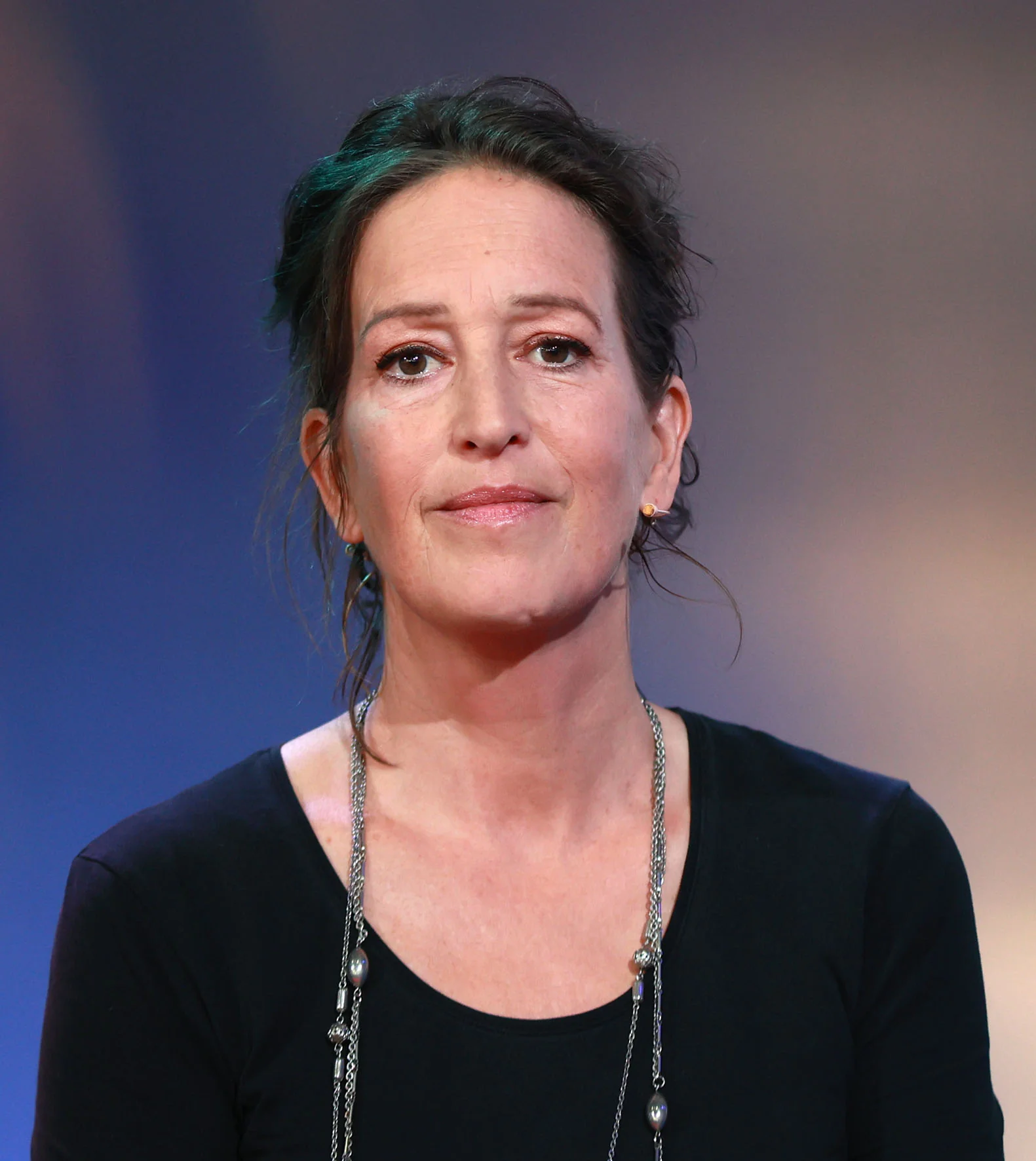
Image from Wikipedia
Image from Wikipedia
Christine Koschmieder: Literature Amid Intimacy, Courage, and Precise Observation
An Author, Translator, and Literary Agent with a Distinctive Voice
Christine Koschmieder, born in Heidelberg in 1972 and residing in Leipzig since 1993, is one of the prominent voices in contemporary German literature. She works as a writer, translator from American literature, and has spent many years as a literary agent; these perspectives shape her texts just as much as her keen observation of societal mechanisms. Her work revolves around biographical fractures, shame, addiction, sexuality, and familial discord—topics she shapes literarily without hesitation but with stylistic control. ([de.wikipedia.org](https://de.wikipedia.org/wiki/Christine_Koschmieder))
Biography: From Heidelberg to Leipzig – and Straight into the Literary Field
After studying Intercultural Communication and European Studies as well as Theater, Media, and Communication Studies at the University of Leipzig, Koschmieder quickly found her way into literary practice. Since 2003, she has run the literary agency Partner + Propaganda, which initially focused on contemporary literature from Germany, the post-Yugoslav region, and the American hinterland; she concluded this activity in 2023. Additionally, she works in press and public relations for non-profit organizations and is a member of the Association of Freelance Editors. ([de.wikipedia.org](https://de.wikipedia.org/wiki/Christine_Koschmieder))
This dual anchoring—in the literary market and in writing itself—gives her career a rare sovereignty. Koschmieder knows the mechanics of publishers, editorial departments, and media from the inside, while simultaneously developing a literary signature that consistently emphasizes independence. Her role as a co-founder of PEN Berlin in 2022 underscores her authority in the cultural discourse. ([de.wikipedia.org](https://de.wikipedia.org/wiki/Christine_Koschmieder))
The Breakthrough with “Schweinesystem”: A Debut with Force and Pace
Her debut novel Schweinesystem was published in 2014 and immediately attracted attention. The book was among the seven finalists for the aspekte Literature Prize and was also nominated for the Hallertauer Debut Prize; the Frankfurter Allgemeine Sonntagszeitung listed it as one of the most important German debuts of the year. The press praised the energy of the novel, in which Koschmieder combines historical reality and fiction with a high narrative tempo. ([de.wikipedia.org](https://de.wikipedia.org/wiki/Christine_Koschmieder))
The novel is set in Germany and the USA in 1980 and intertwines two female characters who could hardly be more different: Shirley from Marshalltown and Elisabeth, the German teacher. Koschmieder relies on verve, sharp observation, and a narrative movement that unfolds social and political milieus in rapid yet precise dramaturgy. Here already, her hallmark is evident: societal systems are not described abstractly but made visible through characters, bodies, and conflicts. ([de.wikipedia.org](https://de.wikipedia.org/wiki/Christine_Koschmieder))
Literary Development: From Addiction and Shame to Body, Intimacy, and Feminism
With Dry, Koschmieder placed her own experiences even more at the center. The book deals with alcohol dependence, loss, and grief, and was widely covered in the media; reports emphasize that she wrote the first chapters in a rehabilitation center and publicly reflected on her experiences. This sharpened her profile as an author, who does not use autobiographical experience for self-staging but as raw material for literary truthfulness. ([srf.ch](https://www.srf.ch/kultur/literatur/alkoholsucht-bei-frauen-nur-mit-wein-konnte-sie-abschalten?utm_source=openai))
In Schambereich. Talking about Sex, she continues this trajectory and examines physicality, intimacy, and the language of desire. The publisher describes the book as a personal, courageous, and even humorous exploration of female bodily experiences; Koschmieder combines autobiographical openness with cultural-critical precision. Her writing moves between essayistic reflection and narrative condensation, transitioning private experience into societal analysis. ([kanon-verlag.de](https://kanon-verlag.de/shop/romane/christine-koschmieder-schambereich/?utm_source=openai))
Current Projects and Publications: New Books, New Perspectives
Her current publications include Frühjahrskollektion from 2025, the essay booklet Das F-Wort. A Feminist Perspective on So-Called Miscarriages from 2025, and Ein Haus für mich, announced for 2026. The breadth demonstrates how consistently Koschmieder expands her topics: from post-war and consumer history to reproductive self-determination, exploring questions of home, identity, and female life realities. ([de.wikipedia.org](https://de.wikipedia.org/wiki/Christine_Koschmieder))
She also remained active in the literary field in 2024 and 2025. According to her website, she was invited in 2024 by Mithu Sanyal to the Days of German-Language Literature in Klagenfurt; she also mentions scholarships from PEN Croatia (2024) and the Hessian Literary Council with a Vilnius scholarship (2025). These stages point to ongoing resonance and work that is perceived beyond the book market. ([christinekoschmieder.de](https://christinekoschmieder.de/christine-koschmieder?utm_source=openai))
Work Profile: Novel, Essay, and Translation as an Integrated Artistic Practice
Her publication list includes novels, essays, and one translation. Following Schweinesystem, she published Trümmerfrauen. A Homeland Novel (2020), Dry (2022), Schambereich. Talking about Sex (2023), a contribution in Und ich – 20 Stories about Turning Points in Life (2024), and the latest books from 2025 and 2026. She also translated Paula Bomer's Neun Monate, making Koschmieder visible as a mediator of American literature. ([de.wikipedia.org](https://de.wikipedia.org/wiki/Christine_Koschmieder))
It is precisely this mix of literary self-work and translation that lends depth to her profile. Koschmieder operates not only as an author but as a closely reading and transposing mediator between linguistic realms, milieus, and political experiences. This results in texts that appear formally accessible while containing a high density of observation, conflict, and historical context. ([de.wikipedia.org](https://de.wikipedia.org/wiki/Christine_Koschmieder))
Style and Themes: Ruthless, Smart, Personal, and Political
Characteristic of Koschmieder's writing is the connection between personal experience and societal diagnosis. Reviews and interviews highlight her openness, wit, and ability to convey shame, addiction, sexuality, and familial burdens into concise prose. Particularly in Schweinesystem, she was praised for how she shapes historical events into a fictional form without smoothing out the material or moralizing. ([de.wikipedia.org](https://de.wikipedia.org/wiki/Christine_Koschmieder))
Her tone is neither purely autobiographical nor strictly analytical. Koschmieder works with a narrative approach that allows closeness while maintaining distance: This creates literary tension, especially when she describes physical, psychological, and social boundary conditions. This is precisely where her strength as a contemporary author lies: she turns individual crises into culturally readable stories. ([kanon-verlag.de](https://kanon-verlag.de/shop/romane/christine-koschmieder-schambereich/?utm_source=openai))
Cultural Influence: Visibility for Taboos, Bodies, and the Present
Koschmieder's texts hold particular relevance for debates on addiction, sexuality, and reproductive self-determination. With Dry, Schambereich, and Das F-Wort, she shifts the literary perspective on topics that have long been marked by shame, silence, or societal devaluation. Her works are thus read not only as literature but also as impulses for cultural self-understanding. ([srf.ch](https://www.srf.ch/kultur/literatur/alkoholsucht-bei-frauen-nur-mit-wein-konnte-sie-abschalten?utm_source=openai))
Her role as a co-founder of PEN Berlin and her scholarship stations also point to her authority in the literary field. Koschmieder represents a writing attitude that takes the private seriously and develops broader societal lines from it. For readers, this is precisely where the fascination lies: her books are personal but never purely private; political, but never plakativer essayism. ([de.wikipedia.org](https://de.wikipedia.org/wiki/Christine_Koschmieder))
Those who read Christine Koschmieder encounter an author with precise language, clear approach, and a keen awareness of the present. Her books are worthwhile not only as literary discoveries but as attentive observations of a society that often evades itself. Those who experience her live, for instance at readings or discussion formats, immediately feel the intensity of a voice that is built from experience, reflection, and literary instinct. ([christinekoschmieder.de](https://christinekoschmieder.de/in-den-medien))
Official Channels of Christine Koschmieder:
- Instagram: https://www.instagram.com/christinekoschmieder/
- Facebook: https://www.facebook.com/christine.koschmieder/
- YouTube: no official profile found
- Spotify: no official profile found
- TikTok: no official profile found
Sources:
- Wikipedia – Christine Koschmieder
- Official Website – Christine Koschmieder
- Official Website – Christine Koschmieder, Vita
- Official Website – Agency
- Official Website – In the Media
- Kanon Verlag – Schambereich. Talking about Sex
- Kanon Verlag – Frühjahrskollektion
- Maro Verlag – Das F-Wort
- European Literature Network – Interview with Christine Koschmieder
- SRF Kultur – Alcohol Addiction in Women
- taz – Autofictional Novel and Alcohol Addiction